
Last updated November 25, 2026
 Sweep & inspection
 Caps & crowns
 Flue relining
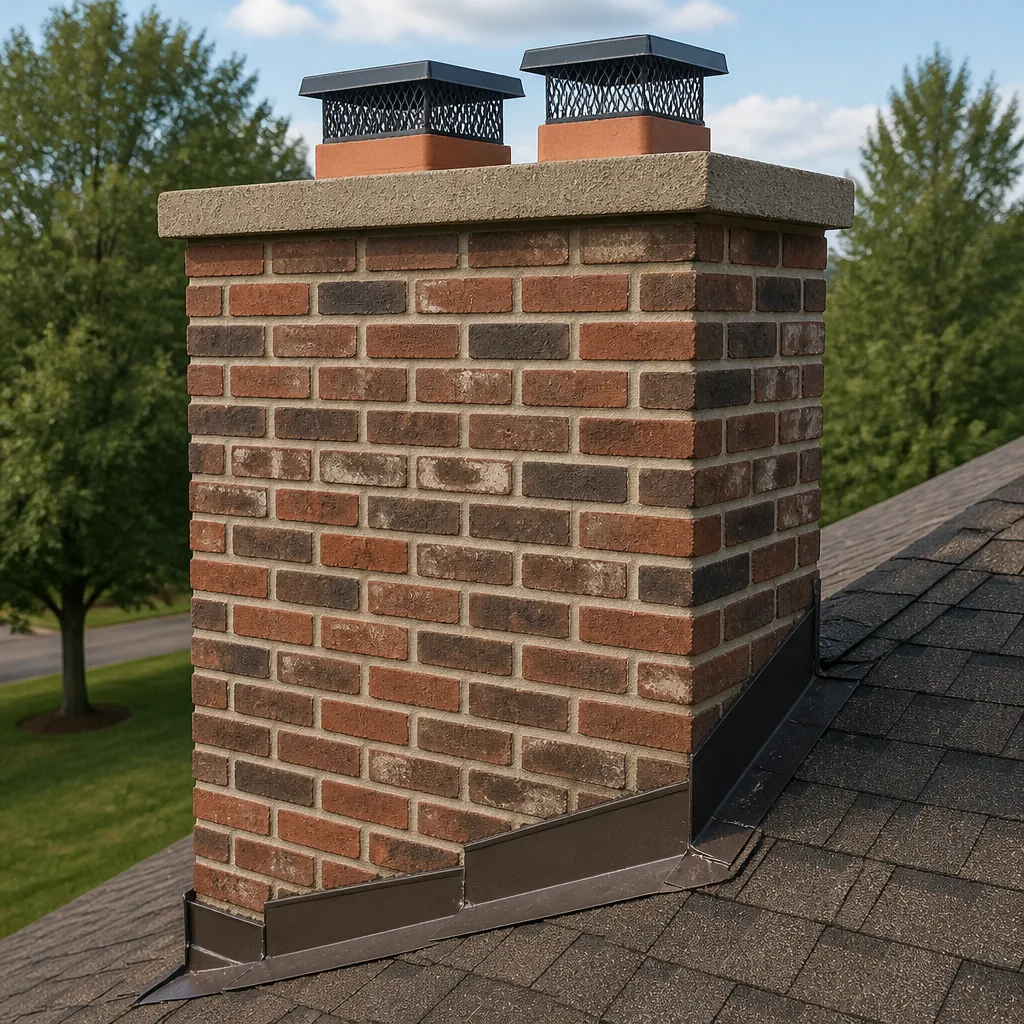 Masonry repair
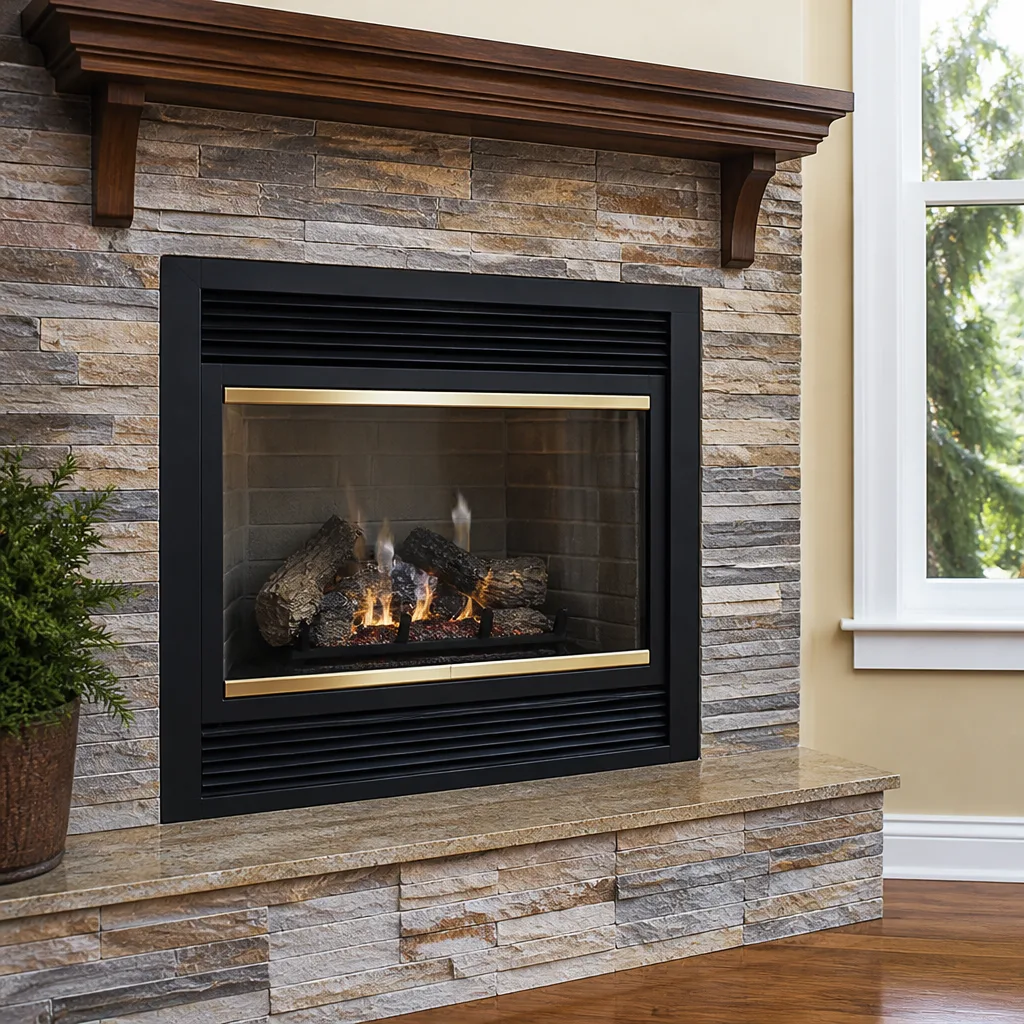 Gas fireplace service
Level 1 sweep and inspection to the NFPA 211 annual standard - flue, crown, cap, and flashing checked and photographed
Chimney sweep logs do not sweep chimneys. They loosen some creosote - which then falls where a brush and vacuum still have to collect it.
Chimney Cleaning Warning Signs: A Throggs Neck Homeowner’s Reference Guide
Most homeowners scan their chimney for smoke or flames, then relax when they see neither. That instinct misses the point. The signs that matter in a Throggs Neck chimney are structural and deposit signals, not fire. Efflorescence, spalling mortar, a creeping white bloom on brick: these show up weeks before anything burns. A neglected flue doesn’t announce itself with a bang. It degrades quietly until the pressure of a hot fire pushes it past the breaking point. This guide walks you through every warning sign worth knowing, which ones mean stop using the fireplace today, and which can wait for a scheduled visit. Our technicians have up to 13 years of experience reading exactly these signals.
Quick Answer
The most important chimney cleaning warning signs are a heavy creosote smell, white efflorescence or flaking brick on the exterior, smoke spilling into the room, and soot or glaze visible above the firebox. Anything involving a fallen liner fragment, cracked flue tile, or a carbon monoxide alarm means stop burning immediately. Routine signs like a light creosote smell or slow ignition usually warrant a scheduled appointment, not a 2am call. A camera inspection tells you which category you’re in.
Styles & brands we work with
- Sweep & inspection
- Caps & crowns
- Flue relining
- Masonry repair
- Gas fireplace service
Table of Contents
- Exterior Warning Signs on Throggs Neck Brick
- Interior Firebox Signals: Liner vs. Combustion
- What Chimney Odors Are Telling You
- Draft and Airflow Problems Mapped to Causes
- Stop Burning Now vs. Schedule an Appointment
- The Three Stages of Creosote and Why They Matter
- A Walkthrough Inspection You Can Do Safely
- When to Call a Professional
Exterior Warning Signs on Throggs Neck Brick
Your chimney exterior is a diagnostic tool. Throggs Neck’s brick stock, much of it set decades ago on homes throughout the neighborhood, reveals problems through color, texture, and mortar loss long before anything interior shows up. Here’s what to read from the outside:
- Efflorescence: A white, chalky stain on the brick face. It’s dissolved mineral salts pushed out as moisture moves through the masonry and evaporates. It means water is getting in and has been for weeks. Clean it once and it’s cosmetic; clean it and it returns, and you’ve got a moisture path to trace.
- Spalling: Brick faces flaking off or popping loose. When water freezes inside a brick, it expands and splits the face away. In Throggs Neck’s freeze-thaw cycles, this moves faster than most homeowners expect. Spalling brick near the crown means water has been sitting at the top.
- Mortar recession: Look down the mortar joints. If the recess is deeper than roughly a quarter inch from the brick face, the joint has eroded past its working life and needs repointing. Deeper still, and the chimney is holding itself together by luck.
- Crown cracks: The concrete slab on top should slope away from the flue. A crack or a sag means water runs straight down the flue instead of off the sides, and the crown is past a simple patch.
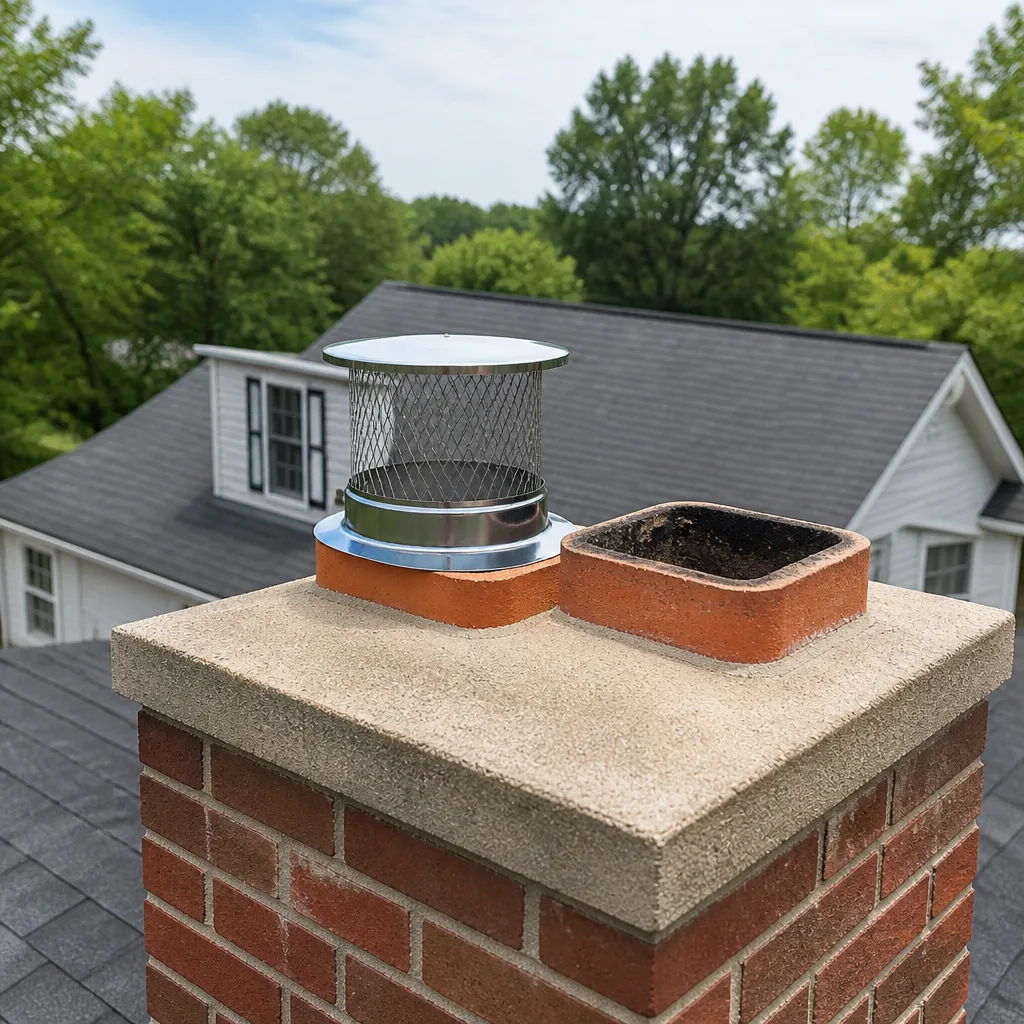
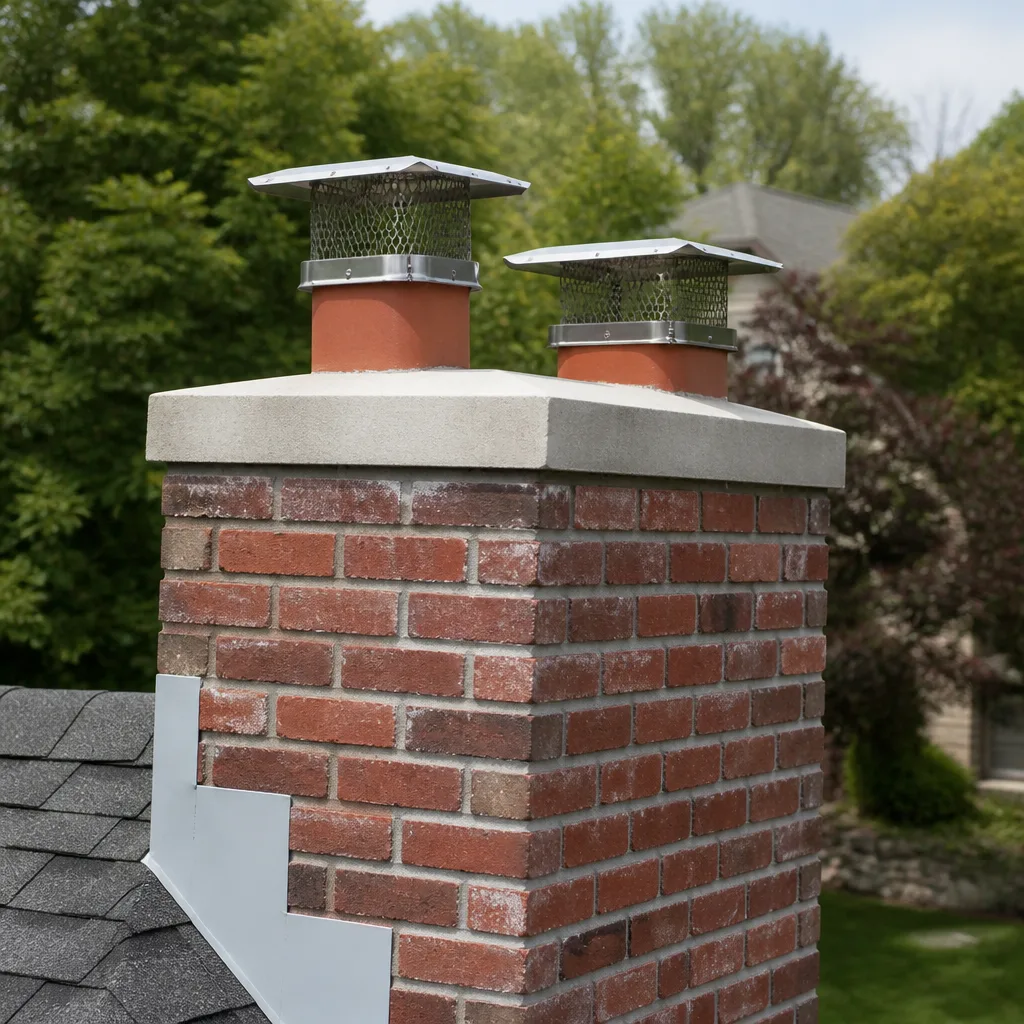
- Rust streaks: Usually a failing cap or flashing. Also a sign your chimney cap & crown has lost its seal against rain and snowmelt.
These exterior signs don’t mean your fireplace is failing, but they mean the masonry is taking on water. Left alone through a winter or two, water intrusion in brick translates directly to chimney repair work you could have avoided with a repointing job. Our technicians have up to 13 years of experience telling one from the other when they get on the roof.
Interior Firebox Signals: Liner vs. Combustion
Inside the firebox, the signal you’re reading looks the same as a combustion problem – dark stains, soot patterns, odd textures – but the fix is completely different. Getting the distinction right saves money and avoids relining a flue that only needed airflow corrected.
Signs of a Liner Problem
- Glaze on the flue tile: A shiny, hardened creosote layer that reflects light. That’s stage 3 creosote, the kind that ignites. It often signals a hot-running fire against a cold flue.
- Visible cracks in the flue tile, viewed from the damper: A hairline crack is a carbon monoxide path. A displaced tile fragment at the smoke shelf is a real problem.
- White or powdery residue inside the flue: Spalled tile surface pushed off by moisture. When tile spalls, the liner loses integrity.
- Ash or grit visible at the bottom of the smoke chamber: A failing liner is shedding its surface.
Signs of a Combustion Problem
- Uniform, heavy soot on the firebox walls: A smoldering fire, wet wood, or an undersupplied air intake.
- Darkening that concentrates around the damper opening: Smoke backing up before it drafts up the flue.
- Soot streaks on the hearth stone: Smoke spilling at ignition, usually from a cold flue or too-tight room.
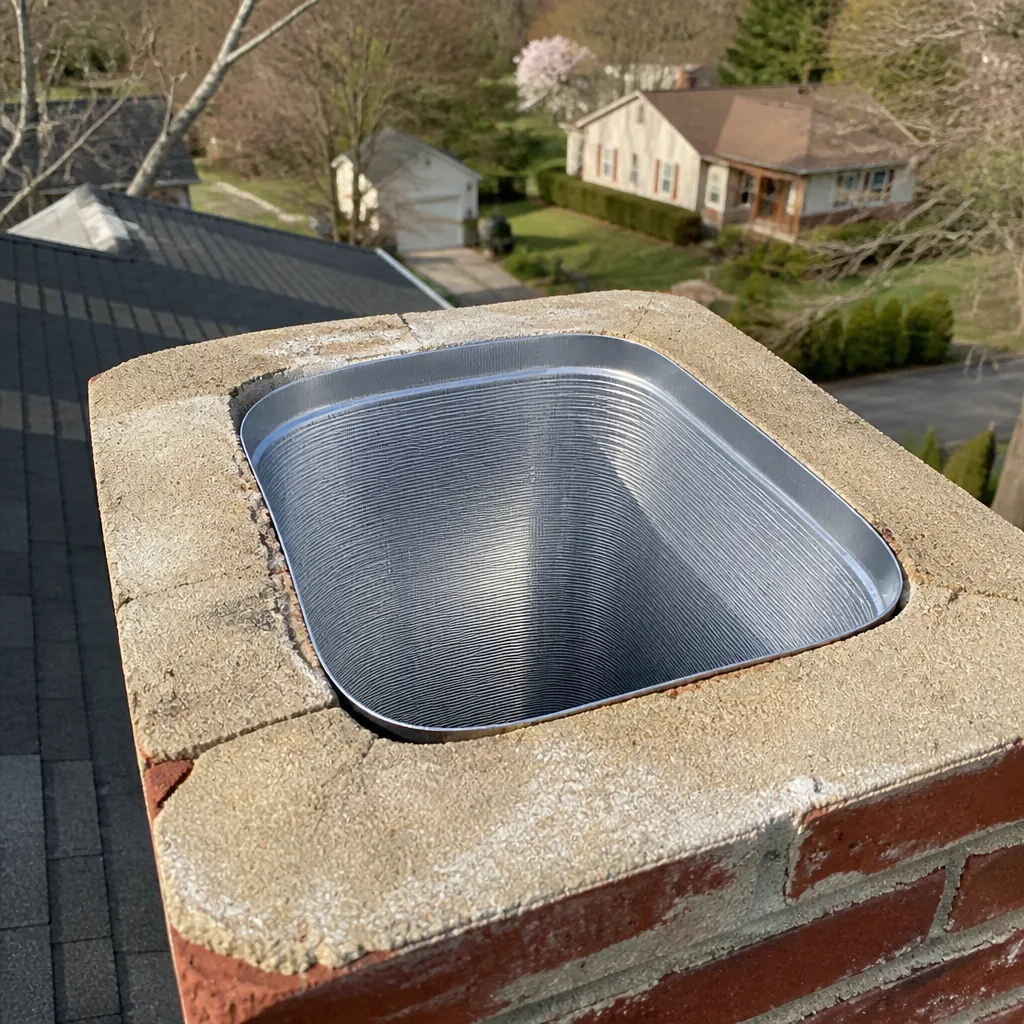
If you see liner symptoms, the fix may be HeatShield resurfacing – a specialist method that repairs the interior of the flue and extends the chimney’s life without rebuilding it. When the flue shape is irregular or the damage runs deeper, a DuraFlex flexible liner is what our trade reaches for. If you see combustion symptoms only, we start with a proper chimney sweep and a draft check before anything structural.
What Chimney Odors Are Telling You
Chimney smell carries more diagnostic information than any visual check, but homeowners usually lump it into one category: “smells weird.” Different smells point to different problems, and once you can separate them, you’ll know whether to light a fire tonight or wait.
- Acrid, smoky, sharp: Creosote in stage 1 or stage 2. The flue hasn’t been swept and deposit is building. A scheduled sweep clears it. If the smell gets stronger after rain, moisture is reacting with the soot and the job is more urgent.
- Damp, musty, mildewed: Moisture intrusion. You have a leak at the crown, the cap, or the flashing. Nothing on the firebox side will fix this; the water has to be stopped at the top.
- Sweet and syrupy: Stage 3 creosote, glazed and hardened. It smells almost like caramel. This is the highest-risk deposit, and this is a stop-burning-now smell.
- Urine or animal musk: Birds, squirrels, or raccoons nesting in the flue or the smoke chamber. Common in Throggs Neck when a cap has come loose. Never light a fire on top of a nest – sweep first, then cap it.
- Dead animal / rot: Something got in and didn’t get out. Sweep immediately and inspect for a failed cap.
We work with Famco and Olympia Chimney components for caps and dampers, which close off the openings animals and moisture use to get in. If you notice a persistent smell that doesn’t clear after a couple of days away from the fireplace, call us and describe it – the description alone usually points to the answer.
Draft and Airflow Problems Mapped to Causes
Smoke that won’t rise, a fire that won’t light, cold air pouring down the flue on a still day – these are draft problems, and each one maps to a predictable structural cause. If your fireplace has gotten harder to light than it used to be, that’s a warning sign, not a change of habit.
- Smoke spilling into the room at ignition: Cold flue. The heavier cold air in the flue has to warm and reverse before smoke will rise. Pre-warm the flue, and if it still spills after a few minutes, the crown or cap has likely reduced the flue’s effective opening.
- Smoke spilling during the whole burn: Flue size too large for the firebox, or a partially blocked flue. Either requires a camera inspection to confirm.
- Downdrafts on windy days: Chimney height or cap design. A cap set too low, or one that’s been bent or lost, lets wind push straight into the flue. A proper cap with the right clearance stops it.
- Slow ignition: A fire that takes 20 minutes to catch is a fire fighting insufficient air. Causes: a blocked air intake, a partially obstructed flue, or green wood. It can also mean the flue has lost effective size to creosote buildup.
- Draft that used to work is now weak: A cracked flue tile, a partially detached liner, or a chimney that’s begun to lean. This sign alone is worth an inspection.
- No draft at all in a room that used to work fine: The house got tighter – new windows, new doors, added insulation – and there’s no longer enough make-up air. This is a house problem as much as a chimney problem, and a pro can sort out which.
Draft is a structural read on how well the whole chimney system is working, from the cap on top through the flue down to the smoke shelf. If you’re noting any of these signs in a Throggs Neck home, a proper chimney sweep and inspection is the right first move.
Stop Burning Now vs. Schedule an Appointment
Not every warning sign is an emergency. Some are a “call us this week,” and some are a “don’t light another fire until this is addressed.” Getting the call wrong in either direction costs you – either an unnecessary panic or a real risk left in place. Here’s the plain breakdown.
Stop Burning Immediately
- Any carbon monoxide alarm sounding while the fireplace is in use.
- A chunk of flue tile or liner material found in the firebox after a fire.
- Glaze or syrupy creosote visible above the firebox.
- Visible cracks in the flue tile when you look into the damper.
- Smoke spilling into the room continuously during a burn (not just at ignition).
- Any animal nest in the flue.
- Water actively coming down the chimney into the firebox.
Schedule an Appointment
- Efflorescence on the exterior brick that hasn’t been traced.
- Light creosote smell in cool weather (no burn).
- Slow ignition or occasional smoke spill at start-up.
- A rust streak on the cap or a crack in the crown you spotted on the roof.
- It’s been more than a year since the last sweep and you burn regularly.
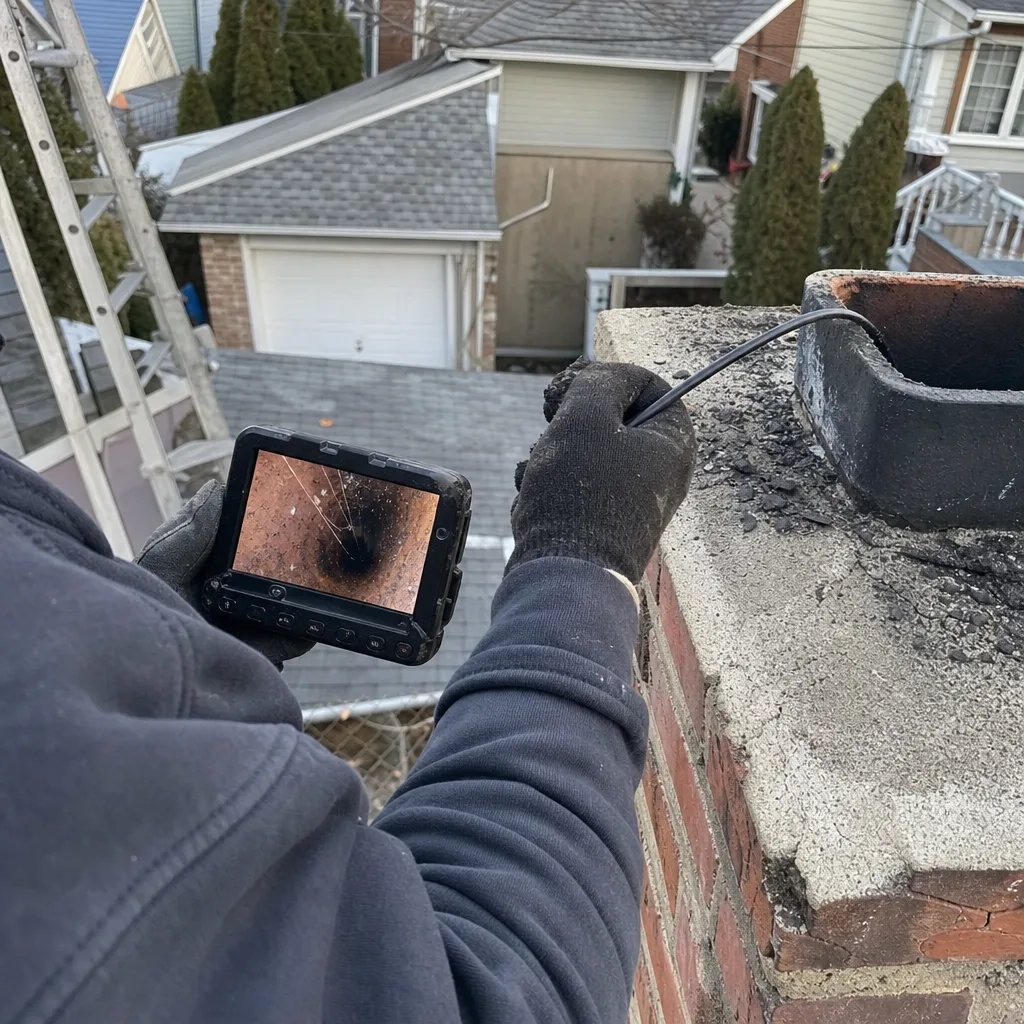
If you’re not sure where your chimney sits on this list, describe what you’re seeing on the phone. Call (833) 513-8531. We answer 24/7. Fast dispatch from 7am to 7pm, Sunday through Friday. A connected camera inspection gives you a photo report of what’s actually happening inside the flue – no guessing.
The Three Stages of Creosote and Why They Matter
Creosote is the tar-like byproduct of wood combustion, and it’s the deposit that makes chimney fires possible. Not all creosote is the same. The three stages escalate quickly in how they behave, how they’re cleaned, and how they affect the rest of the chimney.
- Stage 1 – Soot and flaky dust. The easy one. A stiff brush clears it. Stage 1 is what a routine chimney sweep handles, and it’s what yearly sweeping keeps you in.
- Stage 2 – Hard, crusty, sometimes shiny. This layer bonds to the flue tile. A brush passes over it without scraping it off. Cleaning stage 2 often requires chemical treatment first, then mechanical removal.
- Stage 3 – Glazed, hardened, fuel-grade. It looks like a shellac inside the flue. This is the deposit that ignites and, when it does, produces a hot fire that can crack the flue tile or reach the framing. Stage 3 can’t be brushed off; it has to be removed carefully, often with a rotary tool.
Why the stages matter for a Throggs Neck homeowner: the jump from stage 1 to stage 3 is not one bad fire away for most people – it’s a season or two of burning a fire that’s too cool, using wet wood, or under-supplying air. All three accelerate in a flue that’s too cold. If you burn on and off through a winter rather than steadily, you’re setting up stage 2 depOSTS. A yearly sweep catches stage 2 while it’s still cleanable. Once it’s glazed, the sweep becomes a repair.
A Walkthrough Inspection You Can Do Safely
You don’t need to get on the roof or reach into the firebox for this. A safe, useful walkthrough covers the ground around the firebox and a view of the chimney exterior through binoculars or a phone camera from the yard. Here’s a numbered path to follow.
- Look at the chimney from the yard. Check for white staining, missing mortar, flaking brick, or a tilted cap.
- Look at the crown from the yard. A crack or a sag in the concrete top is a water-entry sign.
- Look at the cap and flashing. Any gap between the cap and flue means animals and water have an opening.
- Smell the firebox on a cool day. Acrid, musty, sweet, or animal – note the category.
- Examine the firebox walls after a burn. Heavy soot concentrates near the damper, or creosote glazes with a shiny finish, and you’ve found a liner-side signal.
- Look at the smoke shelf at the back of the firebox. Soot, grit, or fallen debris here signals a liner problem more than a combustion one.
- Light a small test fire and watch from the room. If smoke spills at ignition and doesn’t clear within a few minutes, stop and note it.
- Open the damper and look up. You’ll only see the first foot or two of the flue, but any visible crack, glaze, or animal debris is worth a photo.
That’s the whole safe inspection. Anything past the first foot of the flue, and the roof, is a job for someone with a camera. Chimney Sweep Throggs Neck offers a connected-camera inspection with a photo report for exactly this reason – you see what our technician sees before any repair gets recommended.
See the difference
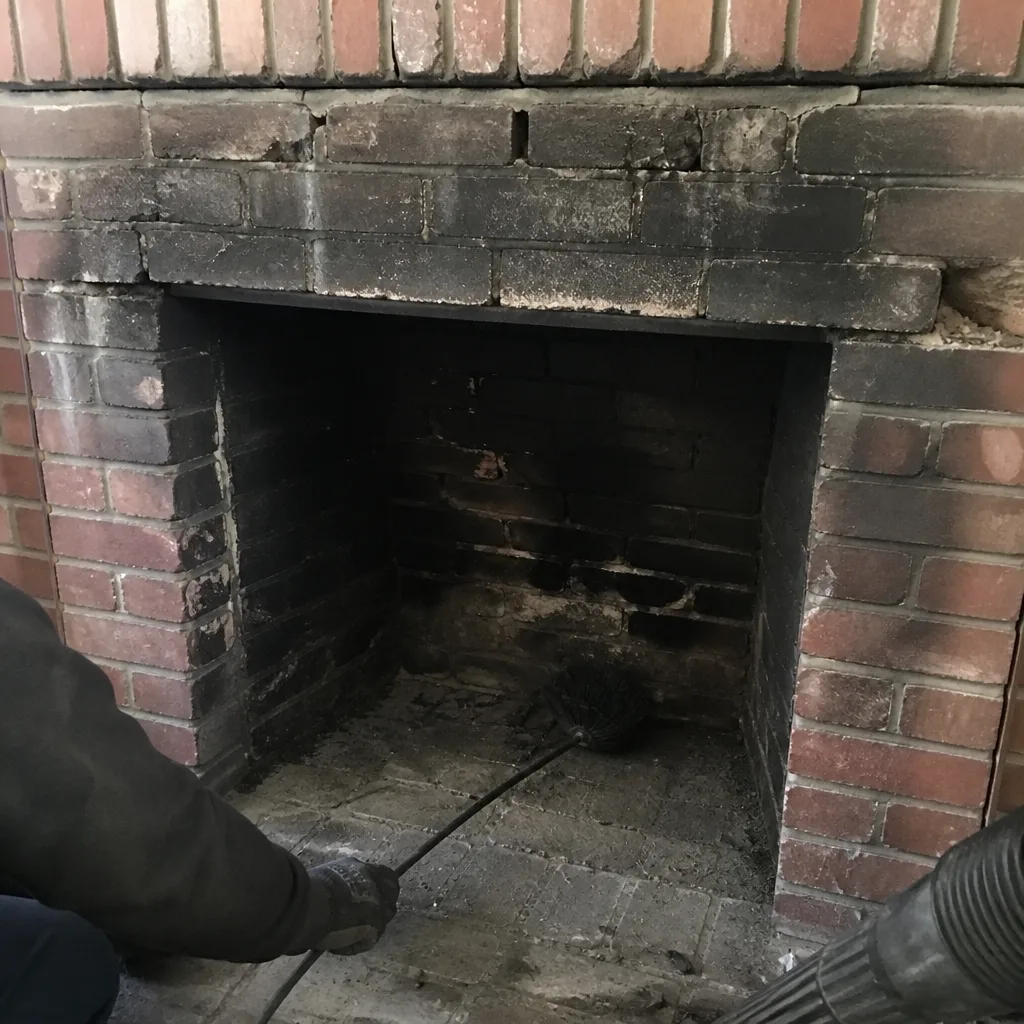 Before
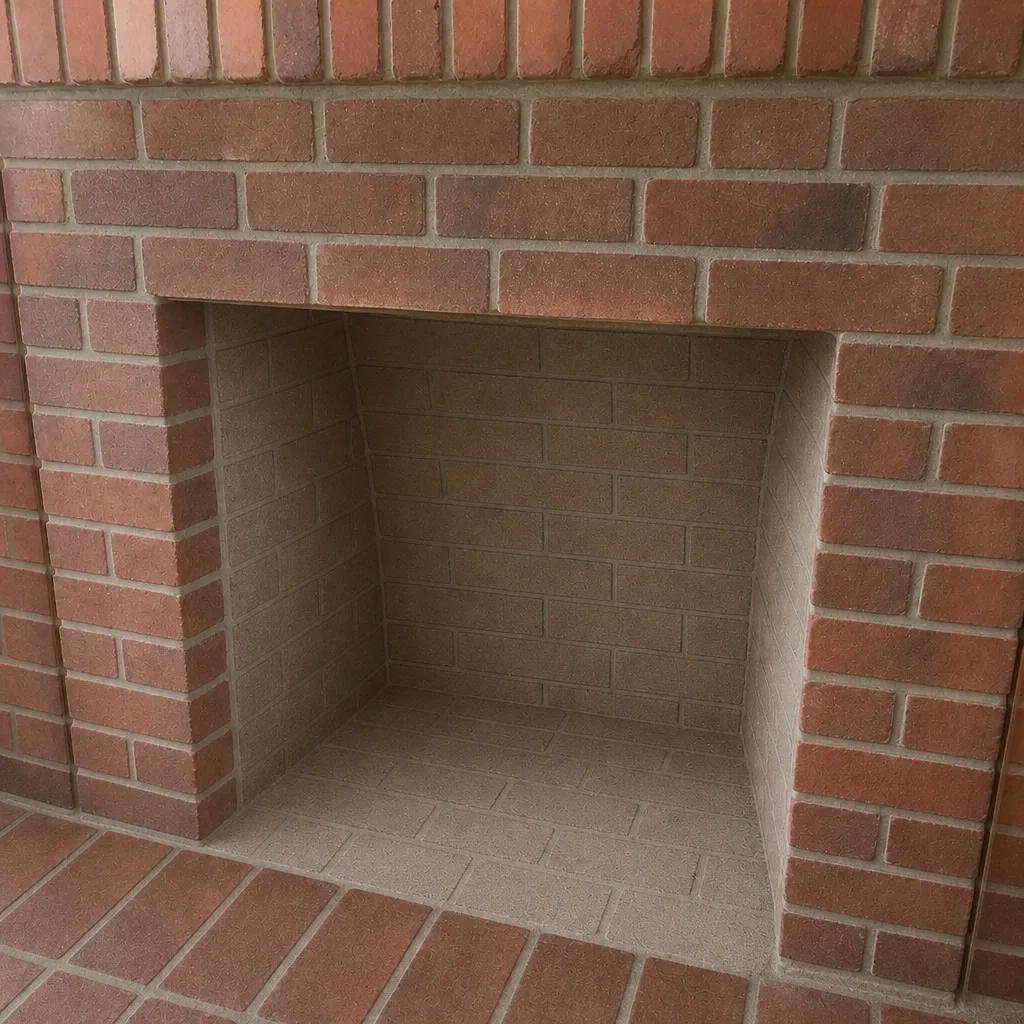 After
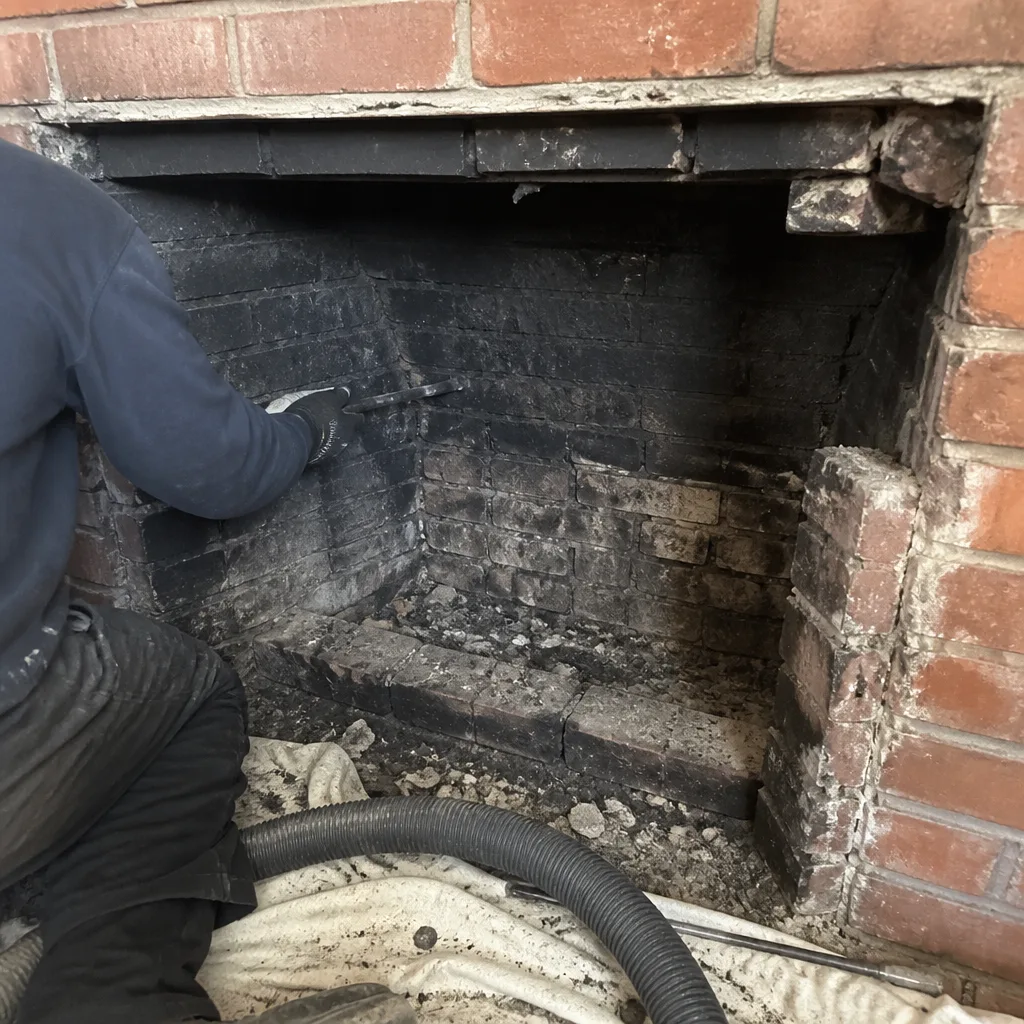 Before
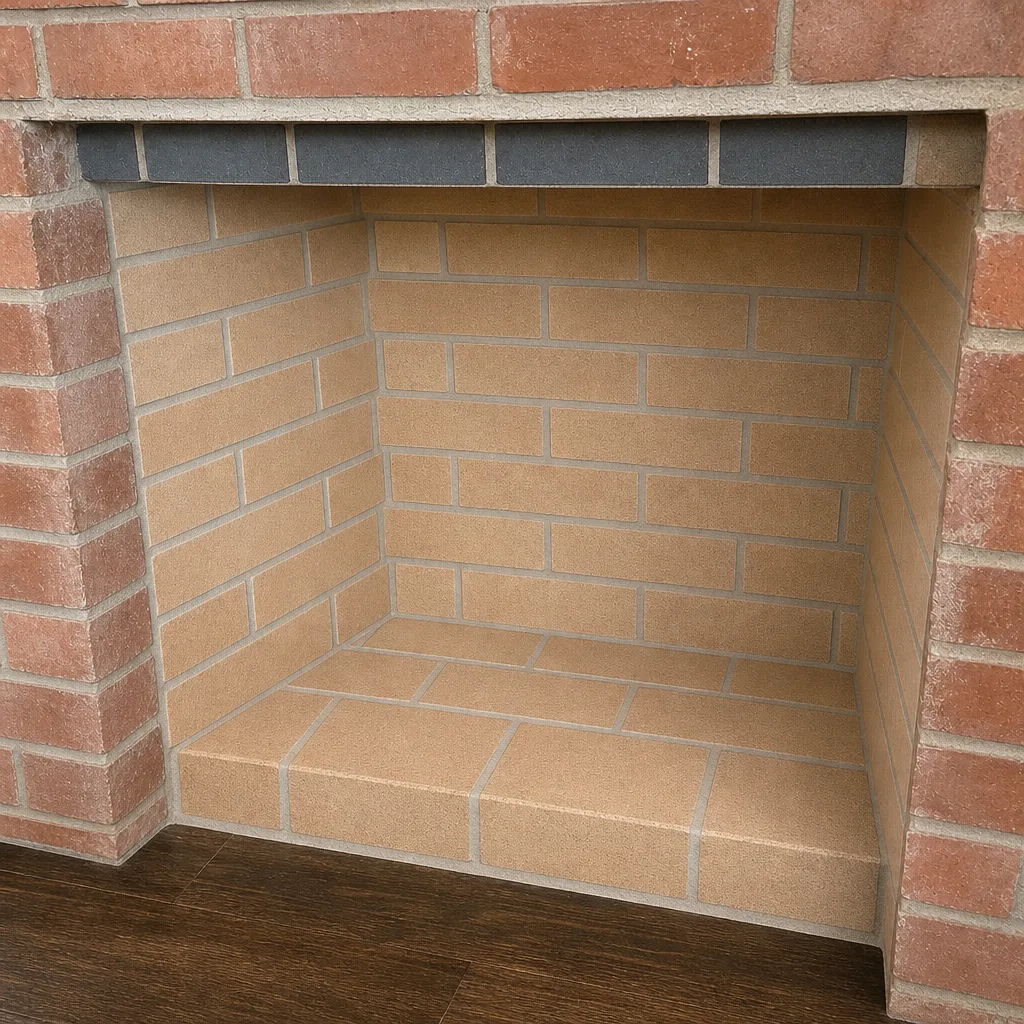 After
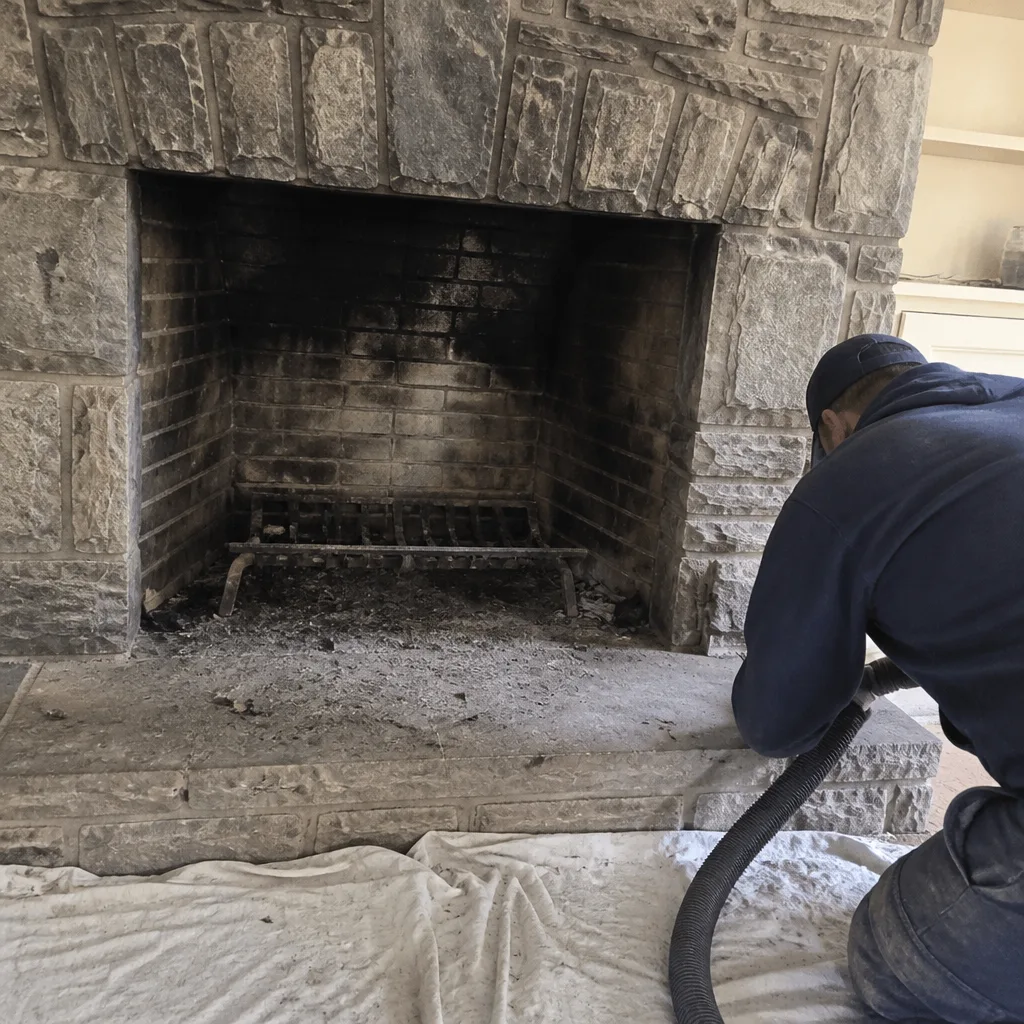 Before
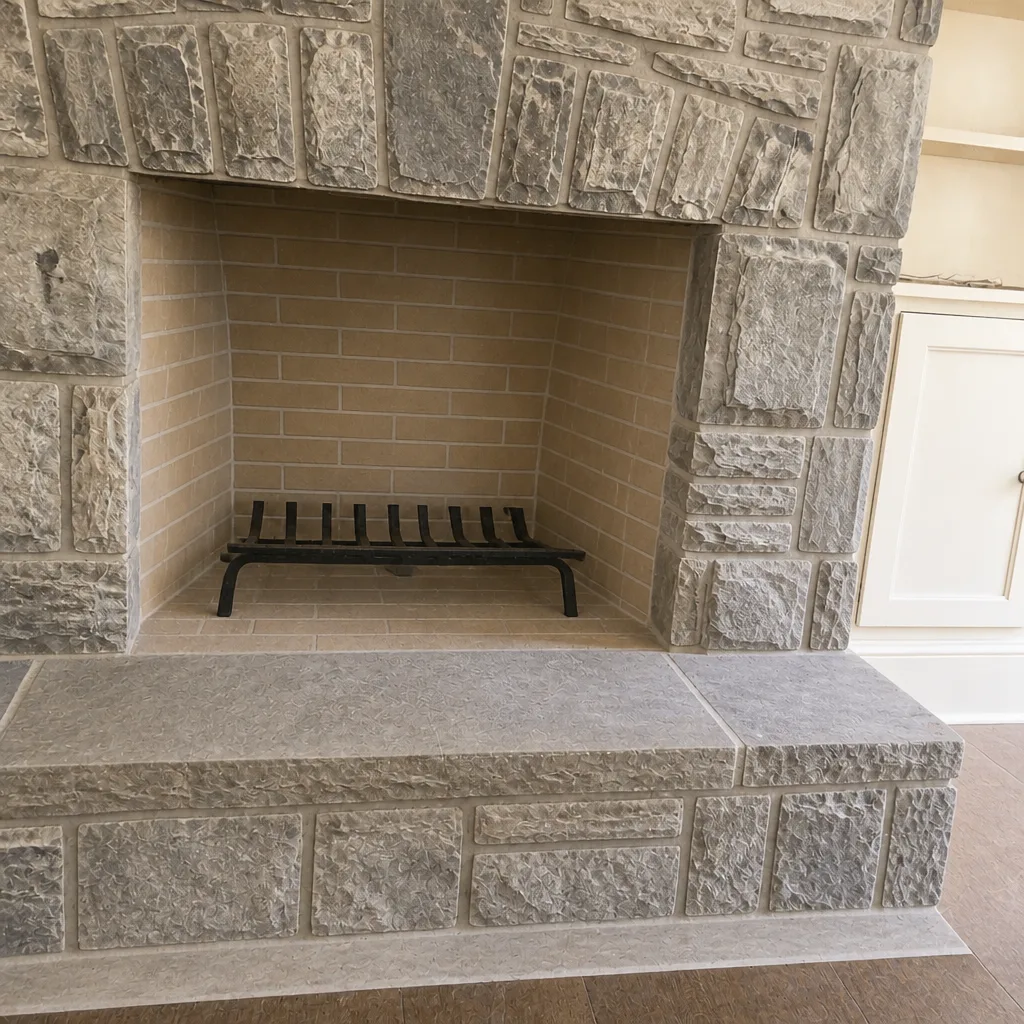 After
Common Mistakes to Avoid
- Treating efflorescence as cosmetic. Cleaning the stain off without finding the water source means it comes back next rainy season, and the masonry underneath continues to break down. Trace the moisture, then clean.
- Burning wet or unseasoned wood to save money. It looks cheaper on the woodpile and costs you a stage 2 flue by spring. Seasoned wood burns hotter, deposits less creosote, and keeps ignition clean.
- Skipping the sweep because “we barely used the fireplace.” A handful of fires a season still leaves deposit. Slow, cool fires leave more creosote per cord than hot fires do, so a lightly-used fireplace can be dirtier than a heavily-used one.
- Reading a smoke problem as a fireplace problem. Smoke backing into the room is almost always a chimney-side issue – cap, flue, or make-up air. Cleaning the firebox won’t fix it.
- Mixing liner symptoms with soot symptoms. A cracked flue tile and a sooty firebox need completely different fixes. A camera inspection is what separates them.
- Hiring a general handyman with a brush. Chimney work isn’t the same trade as roofing or gutters. A specialist works with chimney-specific products, and that matters most when the findings lead to repair.
- Replacing a flue that could be resurfaced. HeatShield resurfacing repairs cracked or spalled flue interiors short of rebuilding. Get a real diagnosis before assuming full replacement.
When to Call a Professional
Call us when any sign on the stop-burning list shows up, or when you’re not sure which list a sign belongs to. Call us if it’s been more than a year since the last sweep, if a cap has come loose, or if the fireplace has gotten harder to light. Call us if there’s a smell you can’t place, or if a contractor has told you the flue needs full replacement and you want a second look before committing. And call us before burning season begins if the exterior brick shows white staining, mortar loss, or spalling – those are repointing and crown jobs that get more expensive with every freeze-thaw cycle in Throggs Neck. Chimney Sweep Throggs Neck offers free estimates in Throggs Neck – call (833) 513-8531. We answer 24/7, with fast dispatch from 7am to 7pm, Sunday through Friday.
Frequently Asked Questions
Once a year if you burn regularly, and once a year if you burn only occasionally, since slow cool fires leave more creosote per burn than hot ones. If you skip a year because the chimney “looks fine,” you’re going on the wrong signal – the deposits that matter are inside the flue, where you can’t see them from the firebox. Call (833) 513-8531 and we’ll set you up before the burning season starts.
Often it can be repaired, not replaced. HeatShield resurfacing is a specialist method for cracked or spalled flue interiors that restores the liner from the inside without rebuilding the chimney. A camera inspection tells you which case you’re in – a full-replacement recommendation should always come with photos you can look at yourself. Call (833) 513-8531 for a free estimate.
It’s efflorescence, mineral salts pushed out by water moving through the masonry. It means moisture is getting in, and it has been for weeks. Cleaning the stain without fixing the water source is cosmetic work over a structural problem. Call (833) 513-8531 to trace it before the next freeze-thaw cycle moves it further.
The smell category tells you the answer. Acrid and smoky means creosote in stage 1 or 2. Musty means moisture intrusion. Sweet and syrupy means glaze creosote. Animal musk means a nest – never light a fire on top of it. If you can describe the smell, we can usually point you to the right next step. Call (833) 513-8531.
A small puff of smoke at ignition while the flue warms is normal. Continuous smoke spilling into the room during a burn is not – that’s a draft problem, and it’s usually a cap, crown, or flue-blockage issue. If it doesn’t clear within a few minutes of a warm flue, stop burning and get it inspected. Call (833) 513-8531.
No, and occasionally-used fireplaces often need it more than frequently-used ones. Slow, smoldering fires leave more creosote per cord, and that deposit builds whether or not you’ve had a hot fire in months. A yearly sweep catches the buildup at stage 1. Call (833) 513-8531 for an exact quote – estimates are free.
The Bottom Line
The dangerous chimney signs aren’t smoke and flames – they’re the structural and deposit signals that show up first. Efflorescence, spalling brick, mortar recession, a shiny glaze inside the flue, sweet-smelling creosote, and any smoke that spills continuously into the room all belong on your radar. Distinguish liner problems from combustion problems and you’ll spend money on the fix you actually need. Stop burning immediately for carbon monoxide alarms, fallen flue tile, or glaze creosote. Schedule a visit for efflorescence, slow ignition, or the annual sweep. Chimney work is a trade of its own, and the products that go inside a Throggs Neck flue come from specialists – DuraFlex, HeatShield, Gelco, Olympia Chimney, Famco, and Copperfield are the names that matter for getting it right the first time.
Written by the team at Chimney Sweep Throggs Neck.