
Last updated November 25, 2026
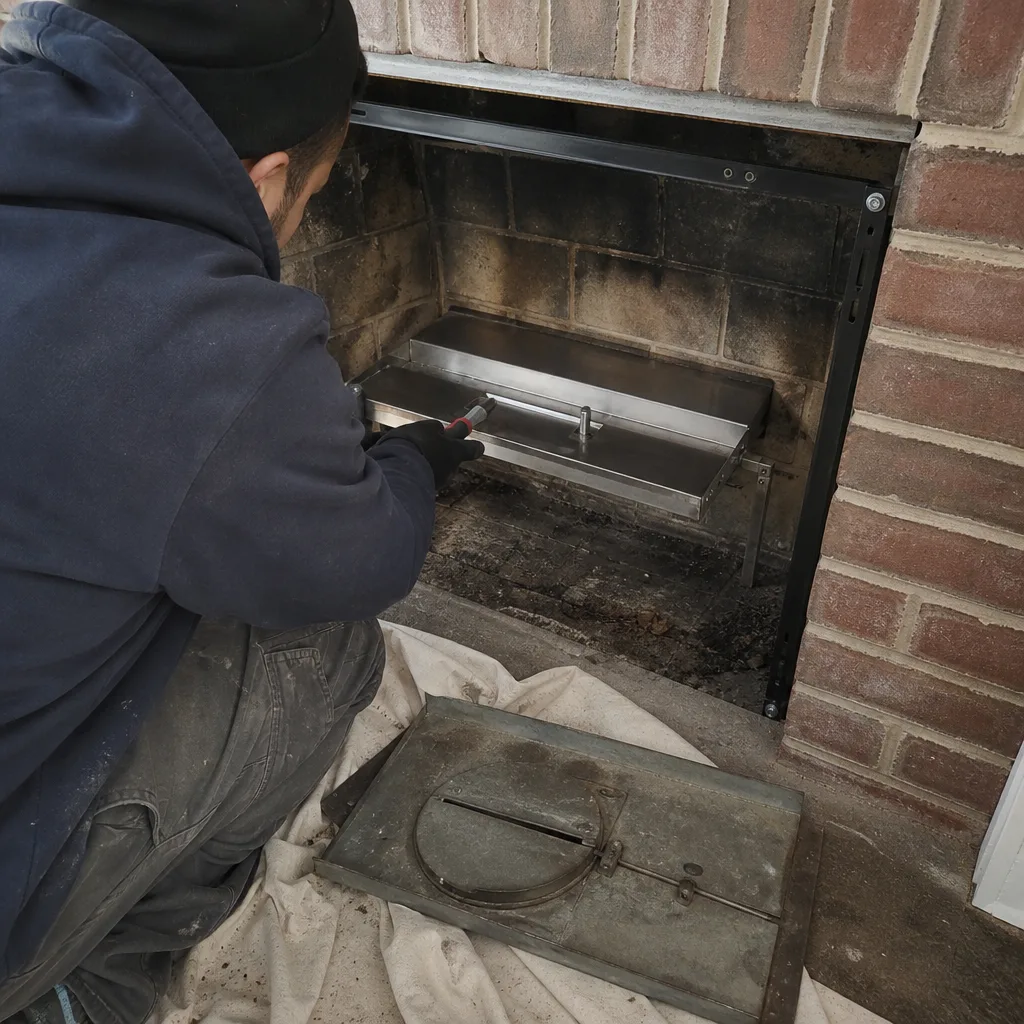
 Sweep & inspection
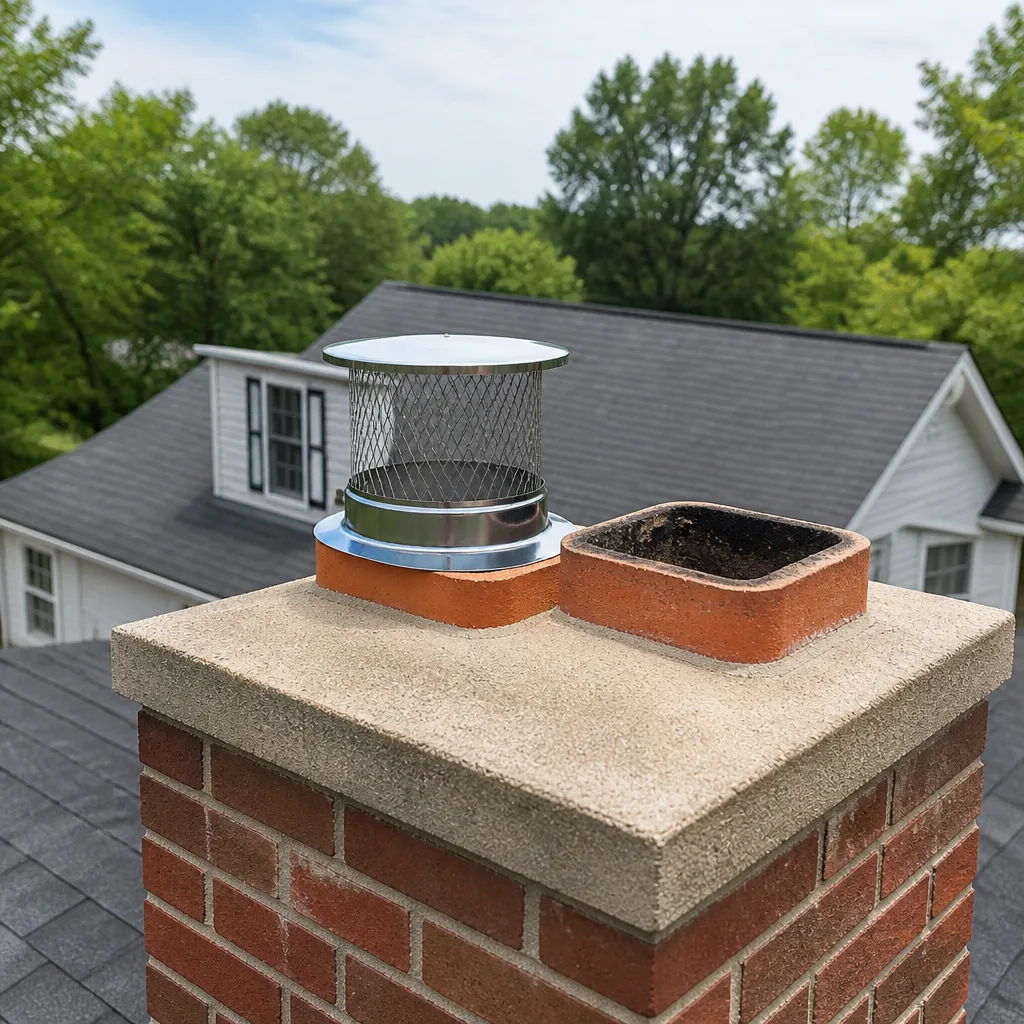
 Caps & crowns
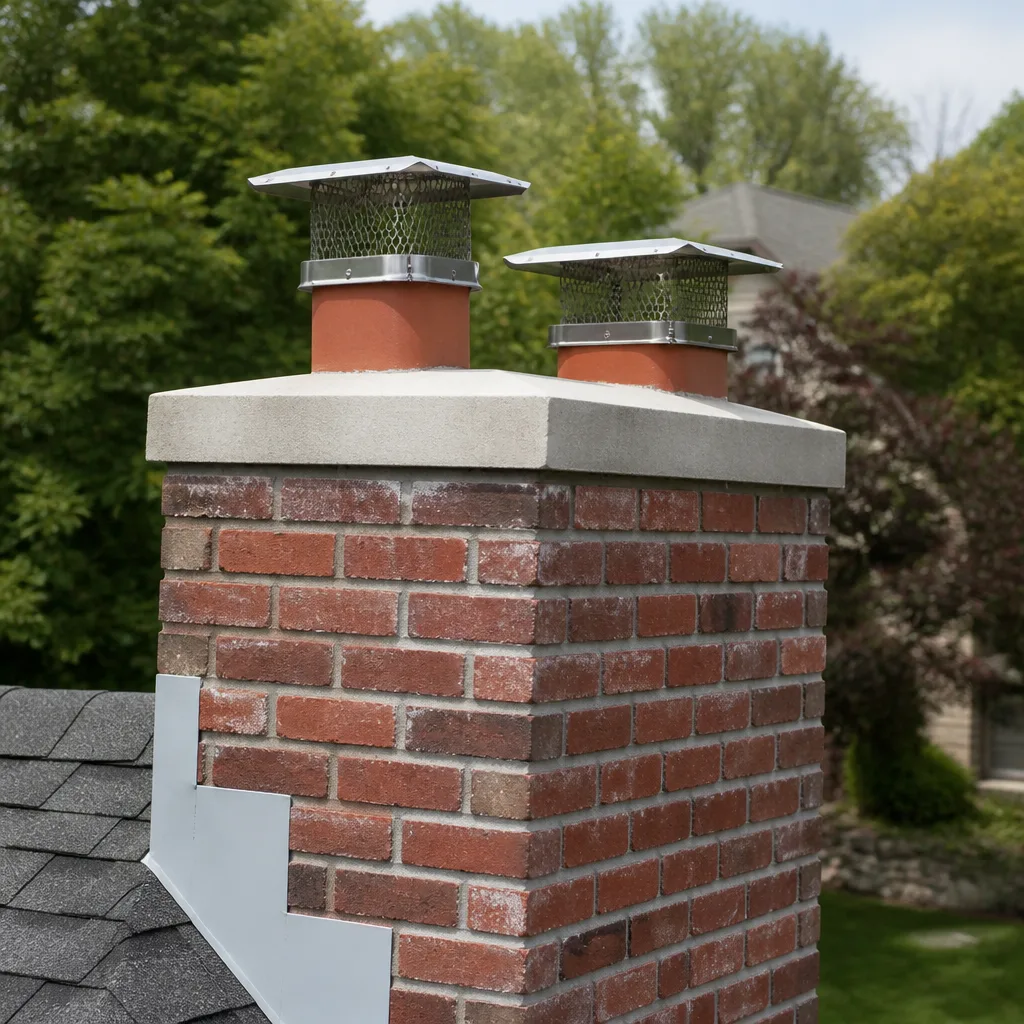
 Flue relining
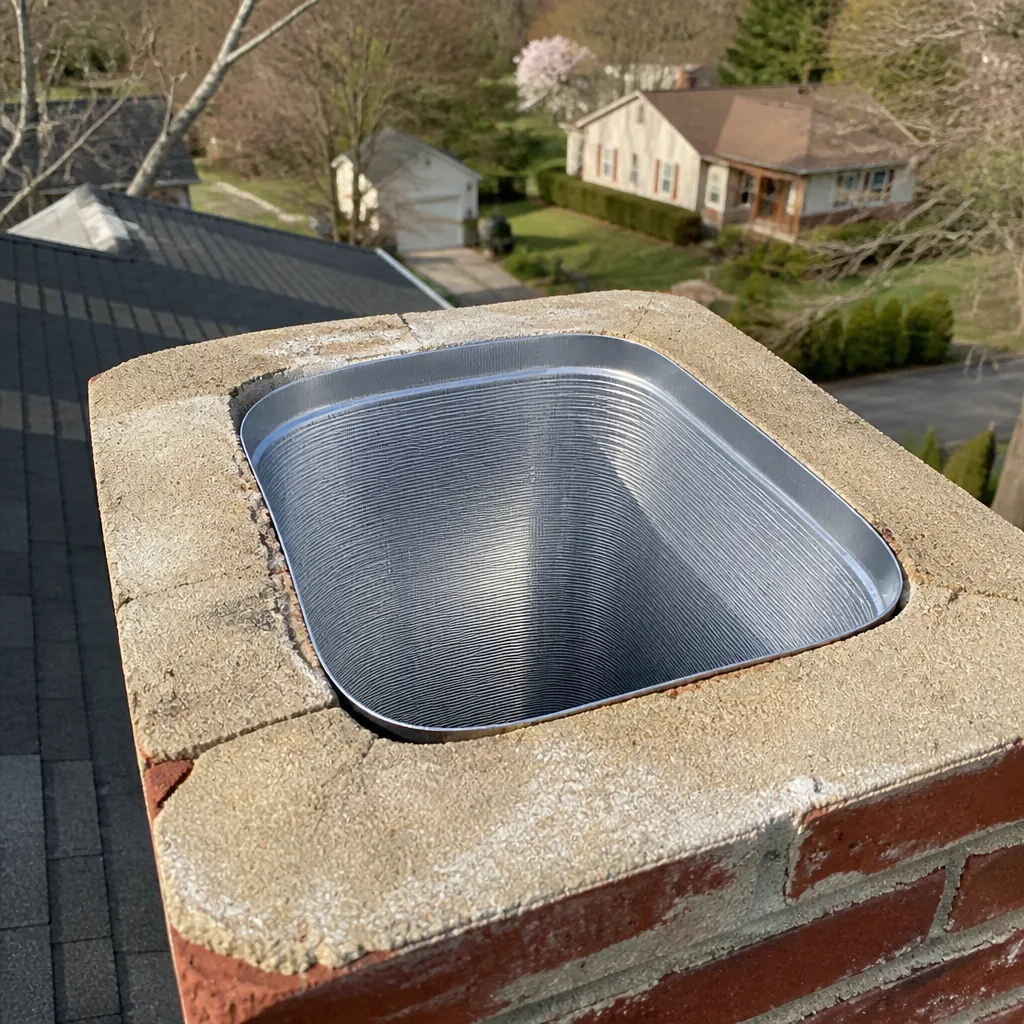
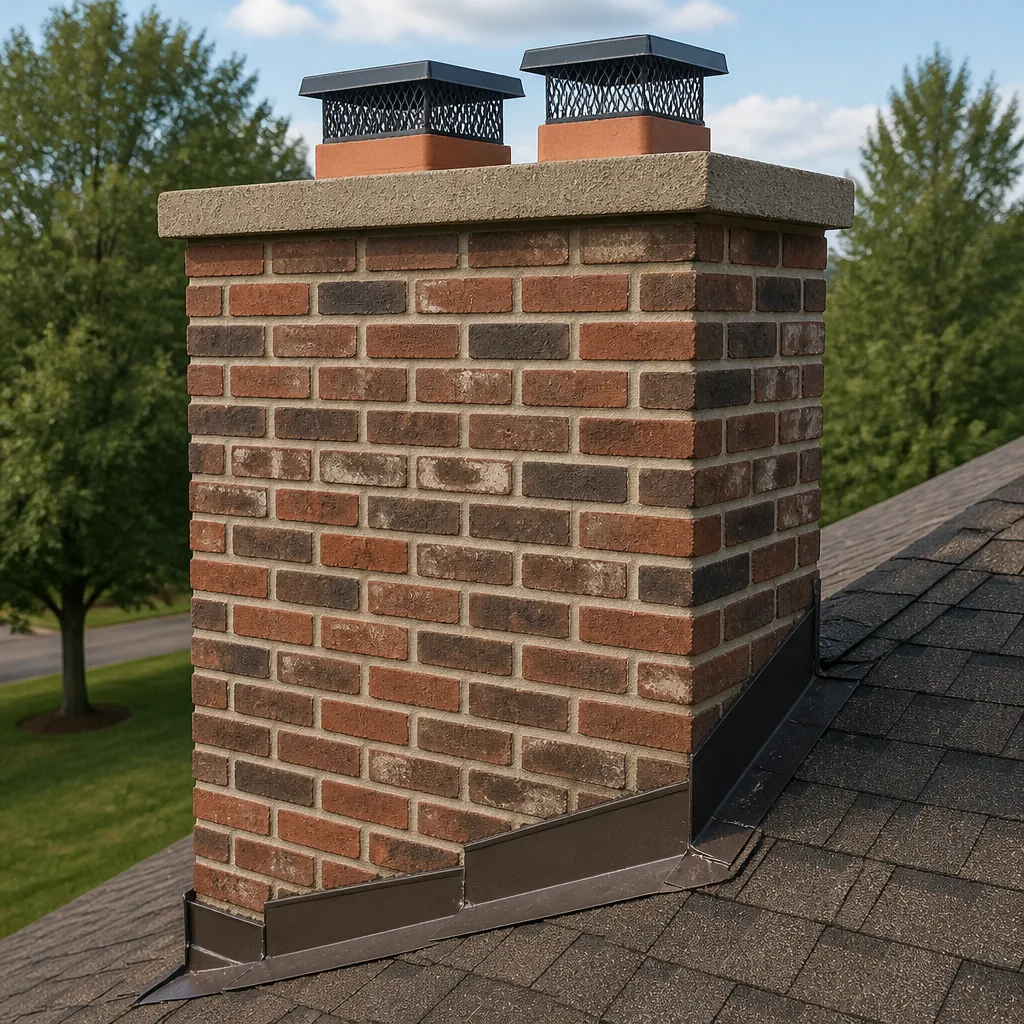 Masonry repair
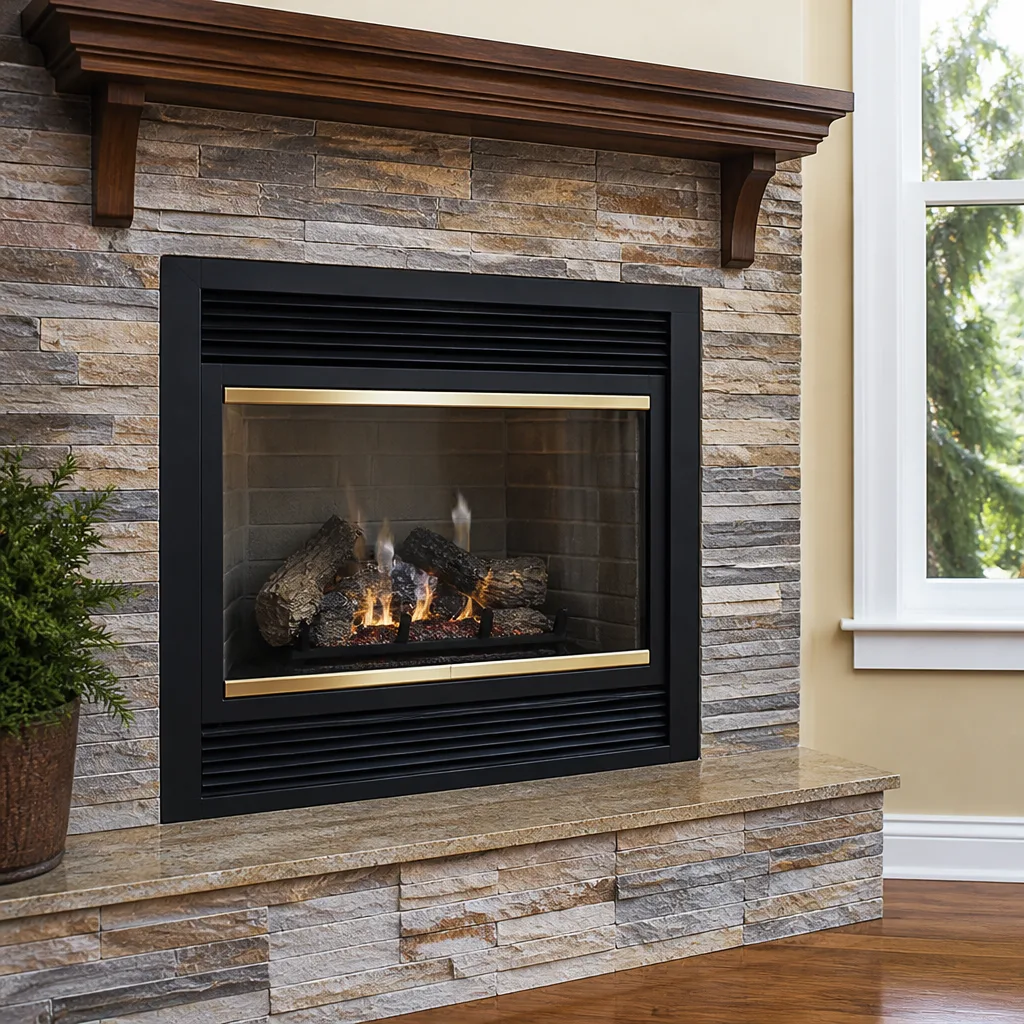 Gas fireplace service
Level 1 sweep and inspection to the NFPA 211 annual standard - flue, crown, cap, and flashing checked and photographed
Chimney sweep logs do not sweep chimneys. They loosen some creosote - which then falls where a brush and vacuum still have to collect it.
DIY vs Professional Chimney Cleaning: The Throggs Neck Homeowner’s Decision Guide
You can buy a chimney brush kit at the hardware store, and on the right chimney that kit honestly works. The catch is that you have to know whether your chimney is the right one before you’re already standing on the roof with a bag of rods. In a lot of Throggs Neck, that answer isn’t the one homeowners expect. The housing stock here runs old, tall, and full of small quirks that turn what looks like a weekend chore into a job with real risk and real limits. This guide walks through the exact conditions that make do-it-yourself sweeping a reasonable call, the creosote stages that make it pointless, the costs the kit box never mentions, and where to draw the line. By the end you’ll know whether your own flue qualifies, or whether it belongs on a specialist’s schedule.
Quick Answer
DIY chimney cleaning only makes sense when three conditions are all true: a single-story roofline you can reach safely, a straight vertical flue with no offsets, and stage-one creosote in a thin, brushable crust. Most Throggs Neck homes fail at least one of those tests, usually because of the height and roofline rather than the fire itself. When any condition fails, a professional sweep with a camera inspection is the safer and more thorough path.
Styles & brands we work with
- Sweep & inspection
- Caps & crowns
- Flue relining
- Masonry repair
- Gas fireplace service
Table of Contents
- The Three Conditions That Make DIY Cleaning Viable
- Reading Creosote: Stage One, Two, and Three
- The Hidden Costs the Kit Price Leaves Out
- Why Throggs Neck Housing Changes the Math
- What a Careful DIY Sweep Actually Involves
- What You Can Do Between Professional Visits
- Where DIY Oversteps Into Risk
- Liability, Insurance, and Documented Cleanings in New York
The Three Conditions That Make DIY Cleaning Viable
A chimney is a good candidate for homeowner cleaning when three technical conditions line up at once. Miss one and the job either doesn’t get clean or puts you somewhere you shouldn’t be.
- Safe, single-story roof access. You need to reach the top of the flue from a spot where a ladder sits stable and your feet stay planted. A small single-story house with a modest pitch is workable. A two-story roofline over a steep pitch, or a flue that exits high on a gable, is not.
- A straight, vertical flue with no offsets. Brush rods flex, so a straight run from damper to cap sweeps evenly. As soon as the flue has an offset, a bend, or an older masonry jog, the brush binds and misses the far side of the liner.
- Stage-one creosote only. Thin, flaky, dry soot brushes away. The sticky and glazed stages don’t, and no consumer kit handles them.
If you can tick all three, a careful homeowner sweep between professional visits is a legitimate option. If even one box goes unchecked, treat the kit as money for something else. Our technicians have up to 13 years of experience, and the pattern we see in Throggs Neck is the same again and again: the flue itself is willing, but the roofline says no. If you’d rather have the decision made for you, book a chimney sweep and let the inspection tell you what the flue actually needs.
Reading Creosote: Stage One, Two, and Three
Creosote is the residue left when wood smoke cools against the flue walls. It builds in three recognizable stages, and only the first one responds to a brush.
- Stage one: a thin, dusty, flaky layer of soot. It brushes off easily and is what a well-run fireplace produces when the wood is dry and the fire burns hot.
- Stage two: a rough, sticky, tar-like coating. It clumps, it flakes off in chunks, and a brush slides over it rather than cutting it. This stage needs chemical treatment to soften it before it can be removed, then a second pass with the right tool.
- Stage three: a glazed, hardened shell that looks almost like dark glass. It’s the stage tied to the most serious chimney fire risk, and it takes a rotary system or dedicated chemical process to break down. A brush will not touch it.
You can inspect the firebox and the lower flue yourself with a flashlight and a mirror, and that’s a worthwhile habit. What you can’t see from below is the upper flue and the crown, where the worst buildup hides. That’s why we treat the chimney repair conversation as a separate step: first we confirm what’s actually up there, then we say what it takes to clear it. Stage two and stage three are the reason most older homes need a specialist system rather than a brush and a long afternoon.
The Hidden Costs the Kit Price Leaves Out
The brush kit price is the cheapest part of the job. Once you factor in everything a proper clean really requires, DIY starts to look less like a bargain and more like a partial solution you’ll end up paying for twice.
- Roof access equipment. A stable ladder, a roof ladder or standoff, and safe footwear are the real cost. Without them, the risk of a fall outweighs any savings.
- Creosote disposal. Soot and creosote are messy and mildly caustic. You need drop cloths, a sealed container, and a legal way to dispose of the residue. Tipping it down a drain or into the household trash is not the right answer.
- Camera inspection. A homeowner won’t run a camera down the flue. That’s the one step that reveals a cracked liner, a failed joint, or hidden buildup, and it’s the reason a professional visit catches things a sweep alone never will.
- Repeat visits. If your brush didn’t reach the upper flue or left stage-two tar behind, you’ve done half the job and still need a specialist.
The economics tilt further against DIY once you add in the risk of damaging a liner joint or dislodging a cap while you’re up top. A proper professional clean comes with a written estimate agreed before the work starts, and a camera inspection with a photo report you can actually see, which turns the sweep into information you can act on. For caps and crown components, we work with brands like Copperfield and Famco, so if a damaged cap turns up during the inspection, the fix is on the same visit rather than a second call.
Why Throggs Neck Housing Changes the Math
Throggs Neck is full of homes built in earlier eras, and that history shapes the chimney conversation here. A lot of the housing is two stories or taller, often with rooflines that sit well above a comfortable ladder reach. Many of these homes have flues that have been retrofitted or patched over time, so the interior profile is less predictable than a new build. And the fires these chimneys serve burn through long, cold winters when a fireplace gets real use, which means residue builds fast.
Compare that with a newer single-story house on a simple gable. There, a homeowner with dry, well-seasoned wood and a straight flue often only has light stage-one soot to deal with, and a careful DIY sweep fits the picture. In Throggs Neck, the same fire in an older home with an irregular flue is a different job. The climb itself is usually the deciding factor. A two-story roofline over a steep pitch puts you in the position most likely to end in a fall, and no brush kit is worth that.
This is why our advice lands differently here than it might in a newer subdivision. It’s not that homeowner cleaning is bad. It’s that the specific conditions that make it safe and effective are less common in Throggs Neck’s stock, so the default answer tilts toward a specialist visit. When the flue is older or oddly shaped, a flexible liner from a line like DuraFlex can bring an uneven interior back to something a brush can sweep cleanly and predictably going forward.
What a Careful DIY Sweep Actually Involves
If your chimney clears all three conditions, here’s the sequence a careful homeowner would follow. We’re describing this so you understand the job, not so you attempt it blind. The roof and the flue are the two places where a small mistake gets expensive.
- Protect the room. Lay drop cloths over the hearth and floor, tape plastic around the fireplace opening, and seal the opening before you start so soot doesn’t travel.
- Check the firebox and damper first. Look for cracks in the firebox brick and joints, confirm the damper moves freely, and note any soot pattern that runs higher than you can reach.
- Get on the roof safely. Use a stable ladder with a standoff and a roof ladder where the pitch needs it. If you’re not confident on the ladder, stop here.
- Remove the cap. A cap can pop off or dislodge, so check how it fastens before you pull it, and inspect the screen while it’s off.
- Brush from the top down. Run the brush and rods down the flue in even strokes, then pull back up slowly so the soot falls into the firebox, not the room.
- Clean the firebox and inspect. Sweep the firebox carefully, then look for cracks, loose brick, or anything that suggests a liner problem.
If at any point the brush catches or you can’t reach the bottom, that’s your signal to stop and call a specialist. It means the flue doesn’t meet the condition you thought it did.
What You Can Do Between Professional Visits
You can stretch the interval between professional cleanings with a few habits, and none of them require a roof.
- Burn dry, seasoned wood. Wet wood smolders, and smoldering wood is what lays down sticky stage-two creosote. Split wood stacked under cover and seasoned has less moisture and burns cleaner.
- Keep the fire hot. A hot, steady fire produces less residue than a slow, smoky one. Avoid long, cool overnight burns that coat the flue.
- Check the cap and crown from the ground. A glance up tells you whether the cap is intact and whether the crown looks cracked. A damaged cap lets water and animals in, and water is what ruins a flue over time.
- Keep a flashlight by the fireplace. A quick look at the firebox and the damper area before each burning season catches small issues early. A damaged crown or a failing cap is easier to fix before it becomes a chimney cap & crown problem that’s already done damage below.
- Watch the smoke. Thick, dark smoke is a sign the fire isn’t burning clean and the flue is collecting residue faster.
These habits reduce buildup, but they don’t replace an inspection. The upper flue and the crown still need eyes that can reach them.
Where DIY Oversteps Into Risk
There’s a clear line between maintaining your fireplace and taking on work that needs training, tools, and a camera. Crossing it is where a lot of avoidable damage begins.
The biggest overstep is attempting to clear stage-two or stage-three creosote yourself. Chemical treatments and rotary systems exist for a reason, and the wrong product on a glazed flue can harden it or damage the liner. Another overstep is trying to fix a cracked liner, a failing crown, or loose firebox brick with a patch kit. Those repairs need the right materials and a tested method. Glazed creosote, a damaged liner, and a compromised crown are all situations where the result of getting it wrong is a chimney fire or carbon monoxide risk, and that’s not a risk worth taking on a weekend project.
If you’re unsure which side of the line you’re on, that uncertainty is the answer. A specialist can sort it out in one visit with a camera and a clear explanation. If your flue needs resurfacing rather than a full replacement, systems like HeatShield can repair a deteriorating interior and save you the cost of a rebuild, but only a specialist should assess whether that’s the right call.
Liability, Insurance, and Documented Cleanings in New York
This is the part most DIY guides skip, and it matters if anything ever goes wrong. If a chimney fire follows a homeowner’s own cleaning, an insurer will look hard at whether the maintenance was done properly and documented. Many policies expect proof that a qualified professional performed routine maintenance, and that evidence is difficult to produce when the work was done at home.
A professional sweep produces a record: a written summary of the visit and a camera inspection with photos. That paper trail is useful for a claim, and it’s also useful for you, because it shows exactly what the flue looked like before and after. We can work with your insurer if a claim becomes part of the conversation, though the routine documentation usually does the work well before that point.
New York doesn’t require a homeowner to hold a license to clean their own chimney, but that doesn’t mean homeowner cleaning carries no consequences. A documented professional visit is the version that holds up later, and it’s the reason many Throggs Neck homeowners keep their records together with their other home documents.
Common Mistakes to Avoid
- Sweeping without a camera check. A brush clears what you can see, but the camera reveals liner cracks and hidden buildup. Skip the camera check and you’ve cleaned a flue you haven’t actually inspected.
- Treating stage-two creosote with a basic brush. The tar stage doesn’t come off with a brush, and repeated scrubbing can spread it. It needs chemical softening and the right tool, not more effort.
- Ignoring the crown and cap. A cracked crown lets water into the masonry and causes damage that’s far more expensive to fix than a crown repair. A damaged cap does the same.
- Burning green or wet wood. It smolders, coats the flue, and shortens the interval before your next cleaning. It’s a small habit that has a big effect on residue buildup.
- Skipping the annual intake inspection. A quick look at the firebox and damper before the burning season catches small issues early. Skipping it lets small cracks turn into bigger problems.
- Climbing a two-story Throggs Neck roofline in uncertain weather. Wet shingles and a steep pitch are the wrong combination. If the roof is beyond your comfort, that’s not a challenge to take on.
- Assuming a clean chimney means a safe chimney. A clean flue can still have a cracked liner or a failing crown. Cleaning and inspection are two separate parts of the same job.
See the difference
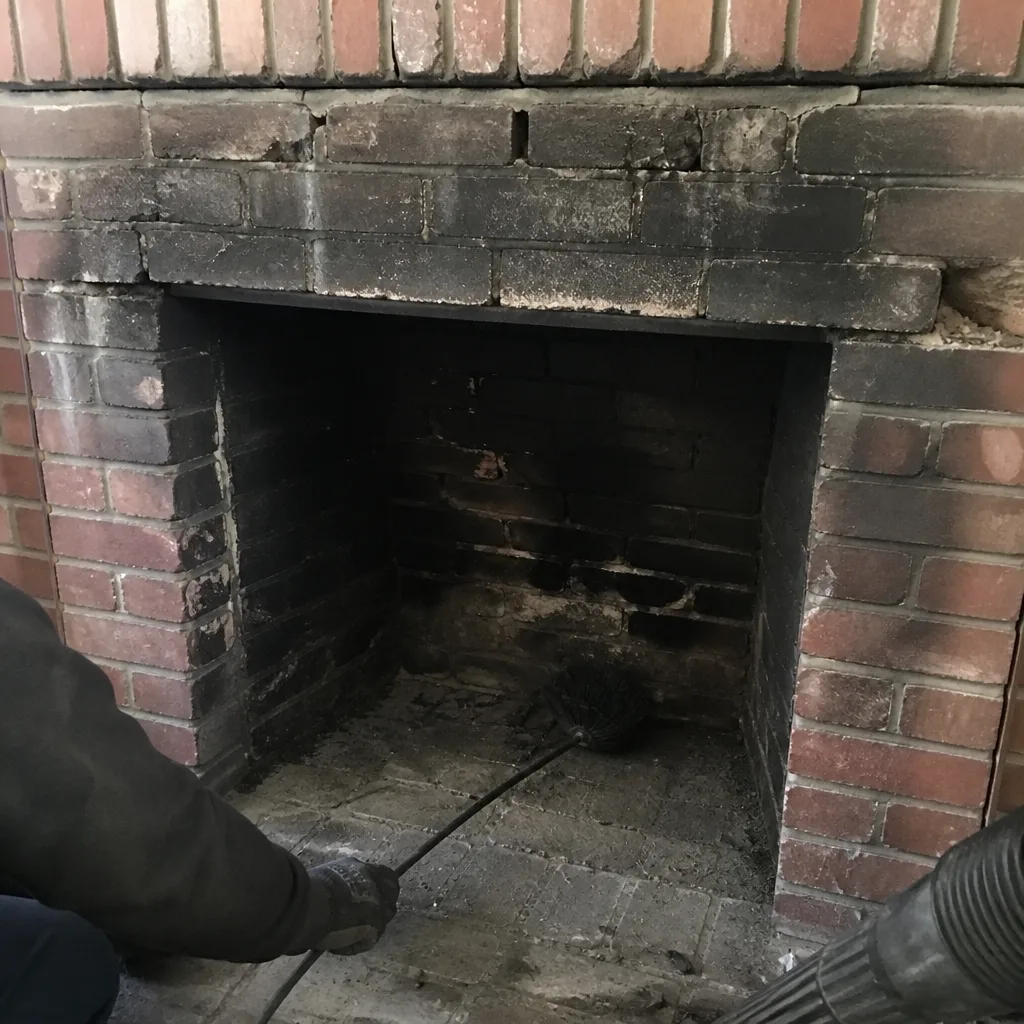 Before
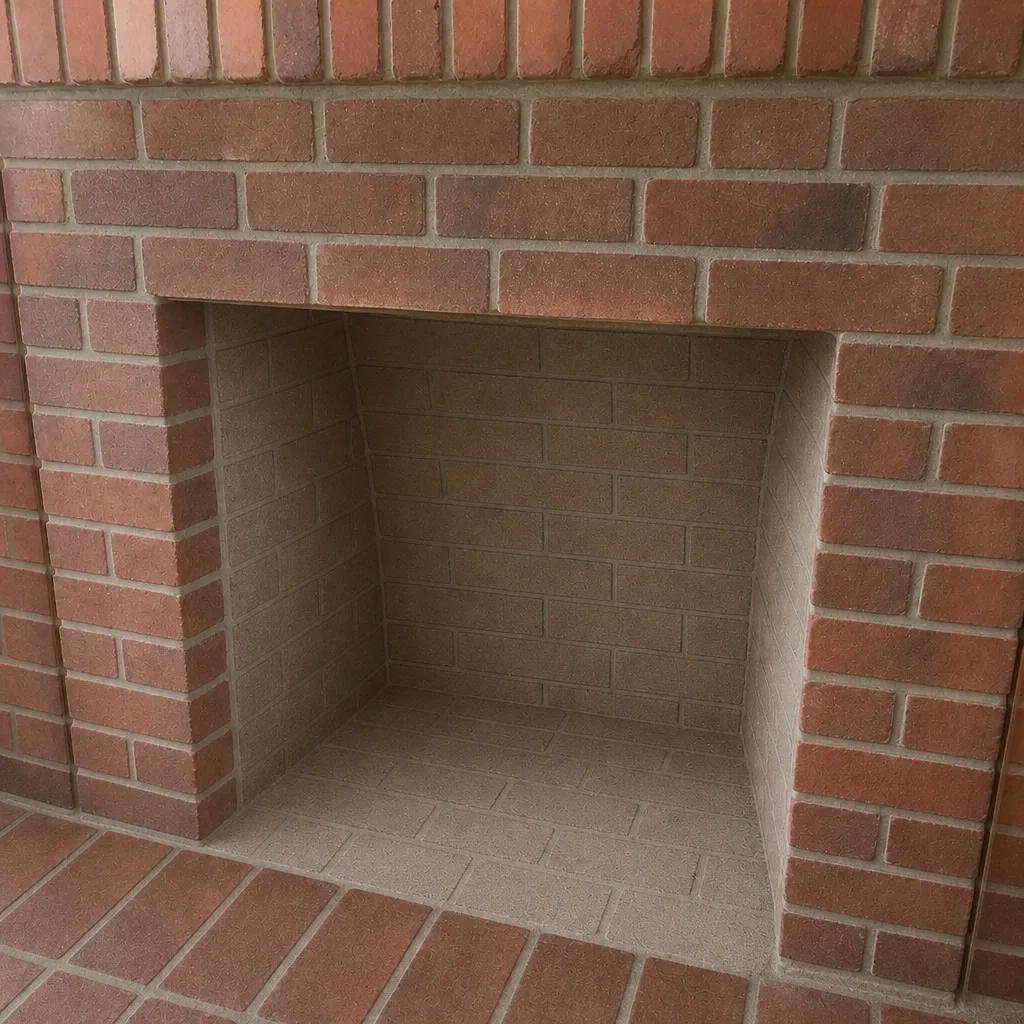 After
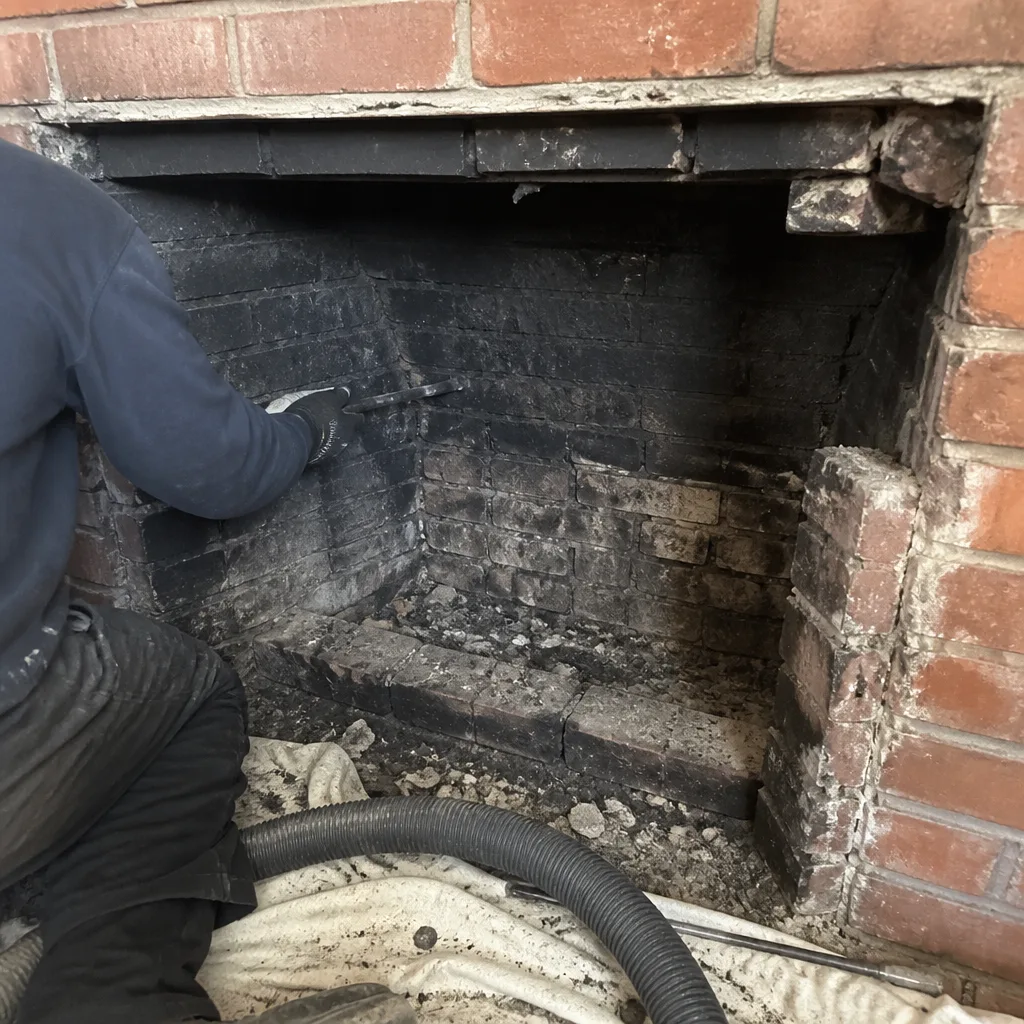 Before
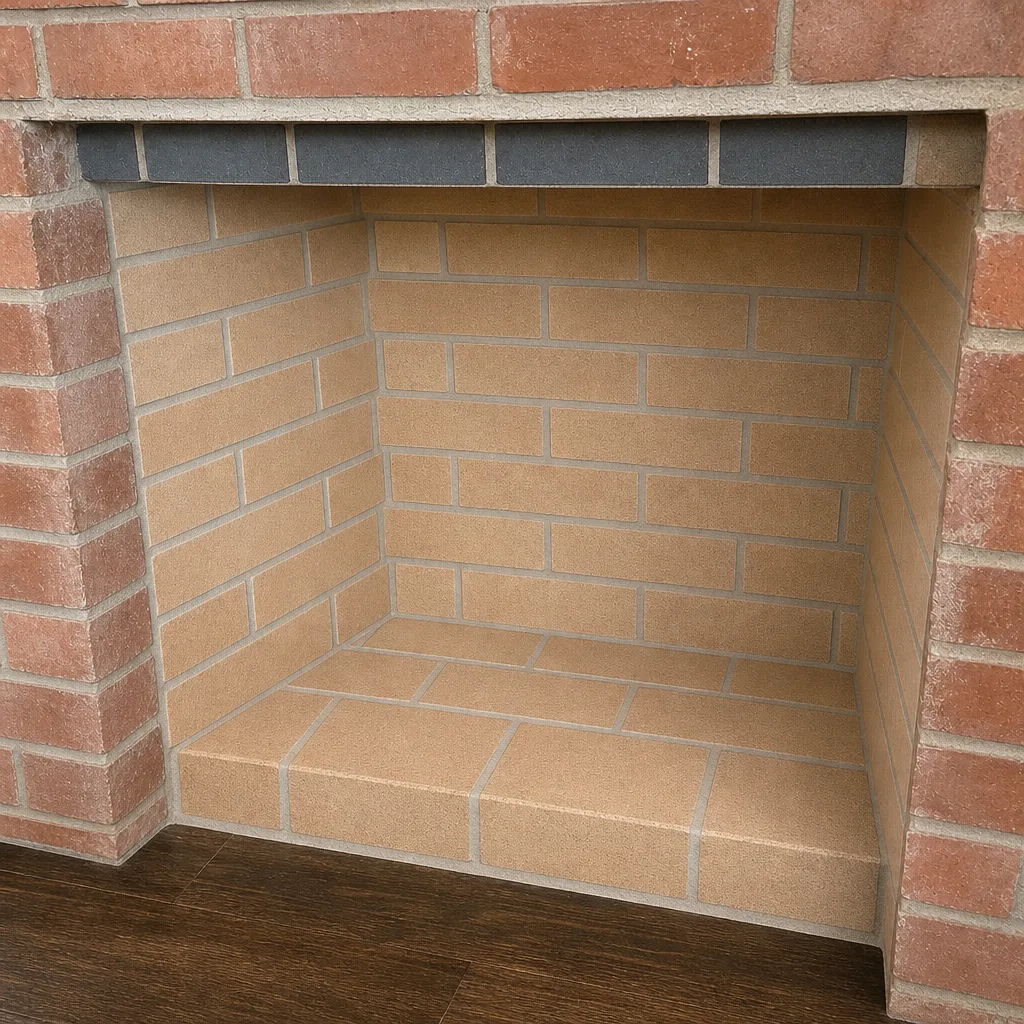 After
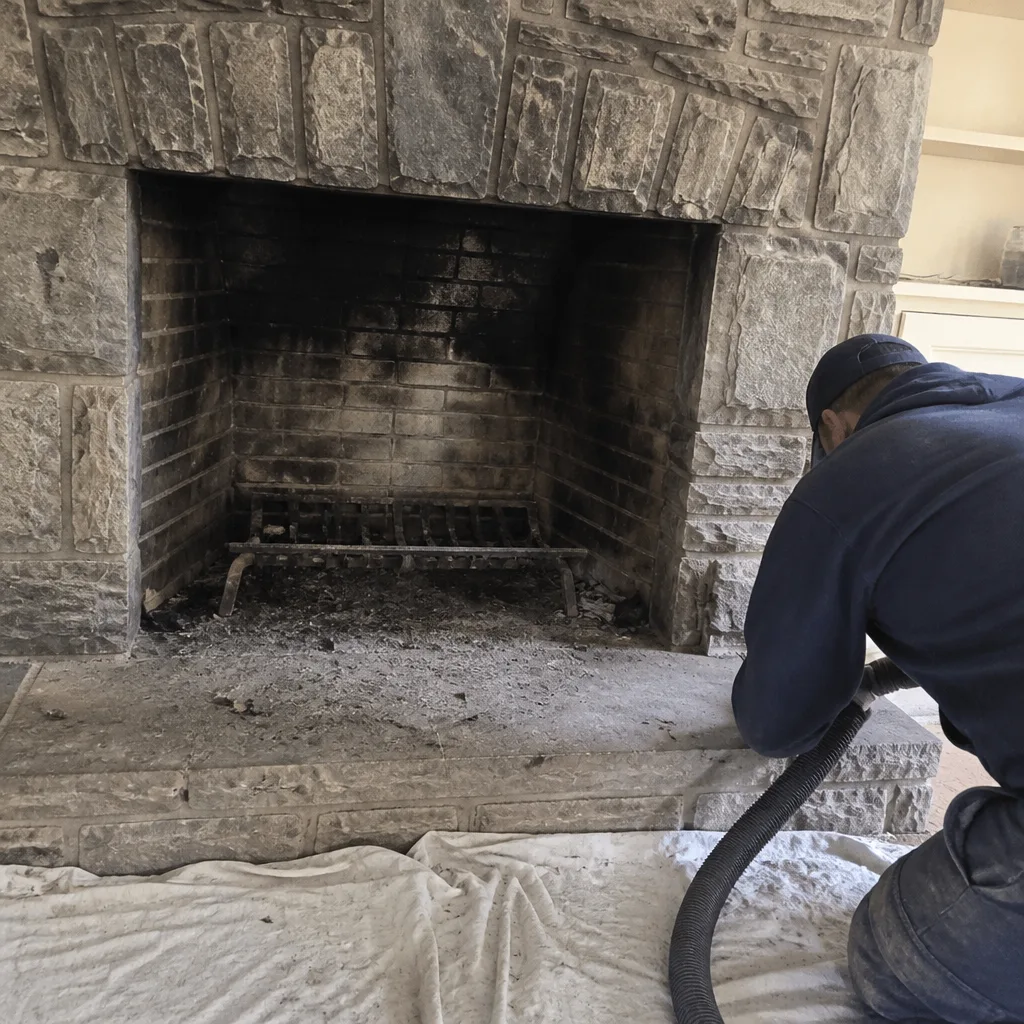 Before
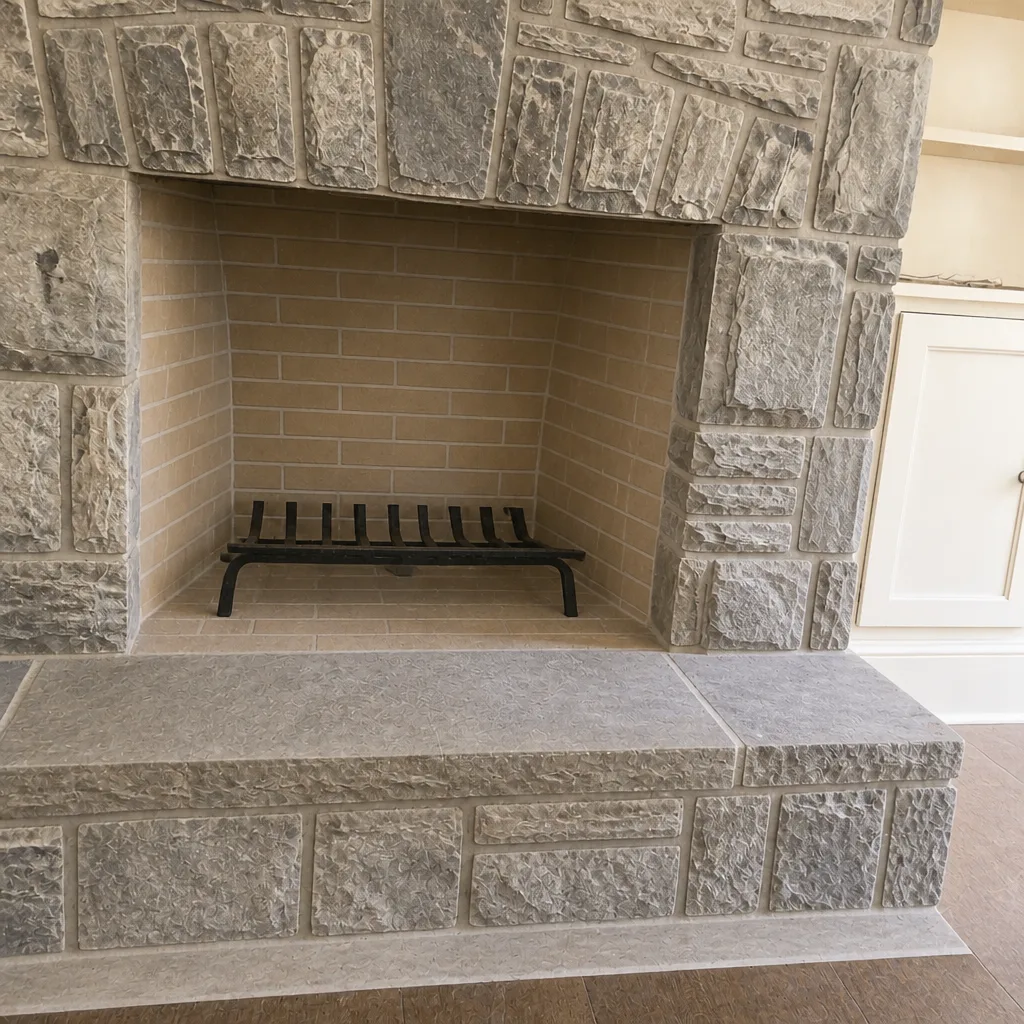 After
When to Call a Professional
Call a professional whenever the flue is above a single story, the roofline is steep, the brush catches, or you see stage-two or stage-three creosote. Call if the firebox shows cracks, if the cap or crown looks damaged, or if the fire draws poorly or smells smoky. Call before the burning season starts if you can’t remember the last inspection, and call straight away if you’ve had a chimney fire of any kind, since even a small one can damage a liner. Our technicians have up to 13 years of experience and work only on chimneys, which means the inspector looking at your flue does that same assessment on every job. Chimney Sweep Throggs Neck offers free estimates in Throggs Neck. Call (833) 513-8531 to book. We answer 24/7. Fast dispatch from 7am to 7pm, Sunday through Friday.
Frequently Asked Questions
Yes, if it’s a single-story, straight flue with only stage-one creosote. Most Throggs Neck homes are two stories or taller with irregular flues, which tips the answer toward a professional visit. A free estimate will tell you which side of that line your chimney is on.
It depends on how much you burn. A fireplace used regularly through the winter typically needs an annual inspection, with a sweep whenever buildup calls for it. Throggs Neck winters are cold and long, so a fireplace in steady use builds residue faster. Book the inspection before the season starts and it’s one less thing to think about.
Stage one is a thin, dry, brushable crust. Stage two is sticky tar that needs chemical treatment. Stage three is a glazed, hardened shell that requires a rotary system or dedicated chemical process. A basic brush kit only clears stage one, which is why a camera inspection matters before you assume you’re done.
Yes, they’re separate jobs. A sweep clears soot, while a camera inspection reveals cracked liners, failed joints, and hidden buildup. Both are included in a professional visit, and the photo record matters if a claim ever comes up.
It’s a real risk, though usually through gaps rather than a slip. Leaving stage-two creosote behind or missing a cracked liner allows a hazard to build unseen. A professional sweep with a camera check is built to catch exactly those gaps.
It can, if a chimney fire ever follows. Insurers look at maintenance records, and a documented professional visit is easier to produce than a home record. A written summary and photo report from a professional sweep gives you both.
The Bottom Line
Homeowner cleaning isn’t the villain here, and a careful sweep on the right chimney is a legitimate option. The deciding factor is your flue, not your willingness. Throggs Neck’s older, taller housing stock makes the three conditions harder to meet here than in newer builds, which is why the default answer tilts toward a specialist. If your chimney clears all three tests, a careful DIY sweep between professional visits can work. If even one fails, a sweep with a camera inspection gives you cleaner results, a documented record, and none of the risk on the roof.
If you’d rather hand the decision to a specialist, Chimney Sweep Throggs Neck covers every stage of chimney care, from a routine sweep to a full Chimney Sweep Throggs Neck service, with professional-grade components from brands like Copperfield, Famco, DuraFlex, and HeatShield. Call (833) 513-8531 for a free estimate. Our technicians have up to 13 years of experience, the written estimate sets the final price, and we can work with your insurer if a claim becomes part of the conversation. We answer 24/7. Fast dispatch from 7am to 7pm, Sunday through Friday. Climbing around a Throggs Neck rooftop isn’t a weekend chore worth improvising, so let the specialist take a look and tell you what your chimney actually needs.
Where to Go From Here
Once you’ve decided between DIY and professional care, the next step is a camera inspection and a sweep that clears what the inspection finds. When the flue is tired, options like HeatShield resurfacing can repair a deteriorating interior without a full rebuild, and DuraFlex flexible liners handle flues that won’t take a rigid liner. The right choice depends on the condition of your specific flue, not on a generic rule of thumb. If you’re not sure where your chimney falls, book a visit and we’ll show you what the camera sees before we recommend anything. Nothing is recommended without photo evidence you can see for yourself, and if a repair can safely wait, we’ll tell you that too.
Written by the team at Chimney Sweep Throggs Neck.