
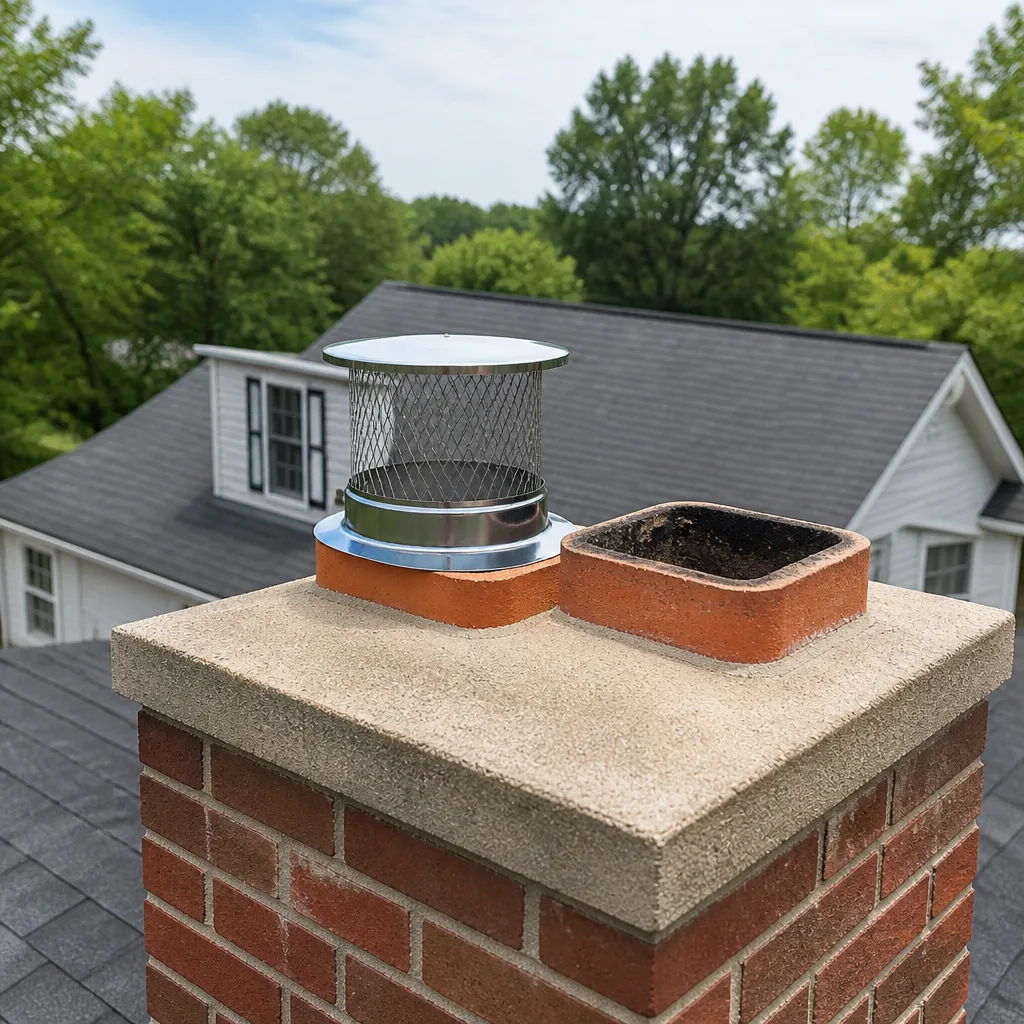
 Sweep & inspection
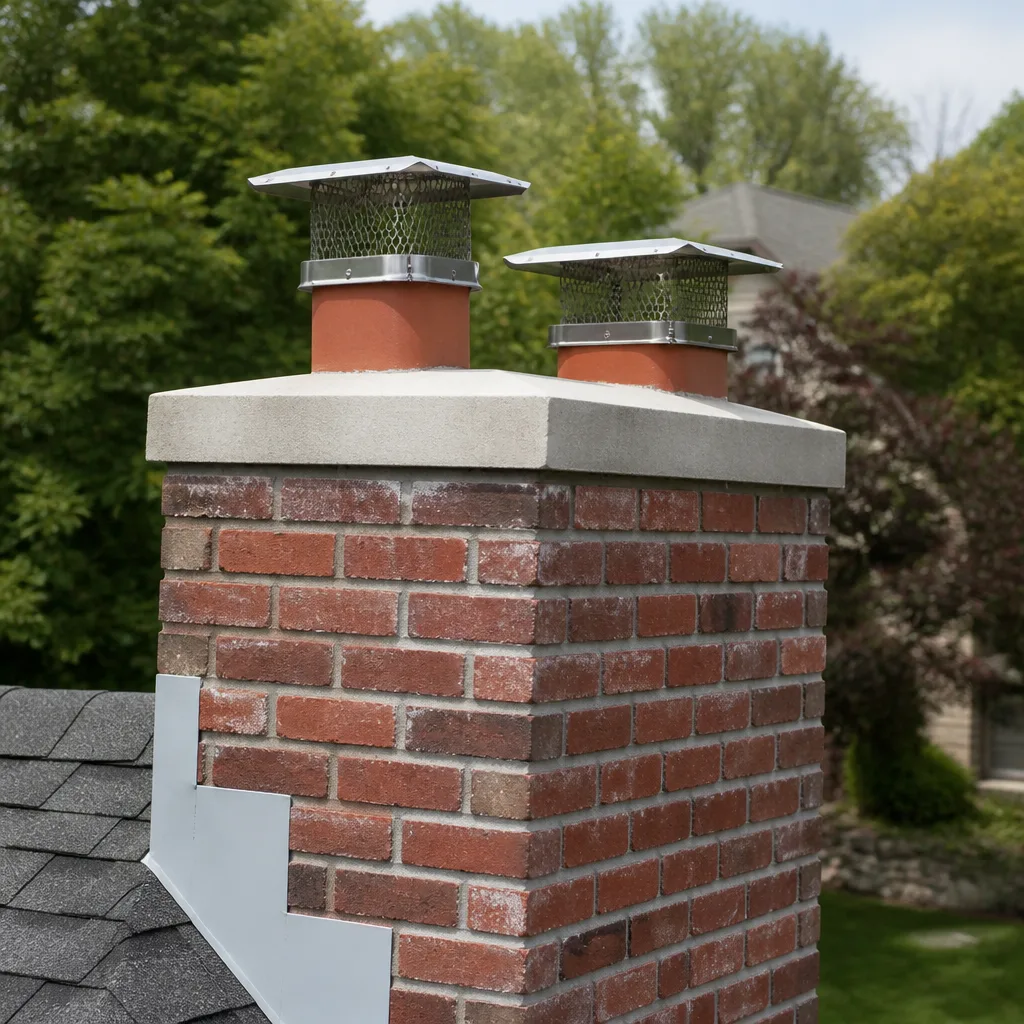 Caps & crowns
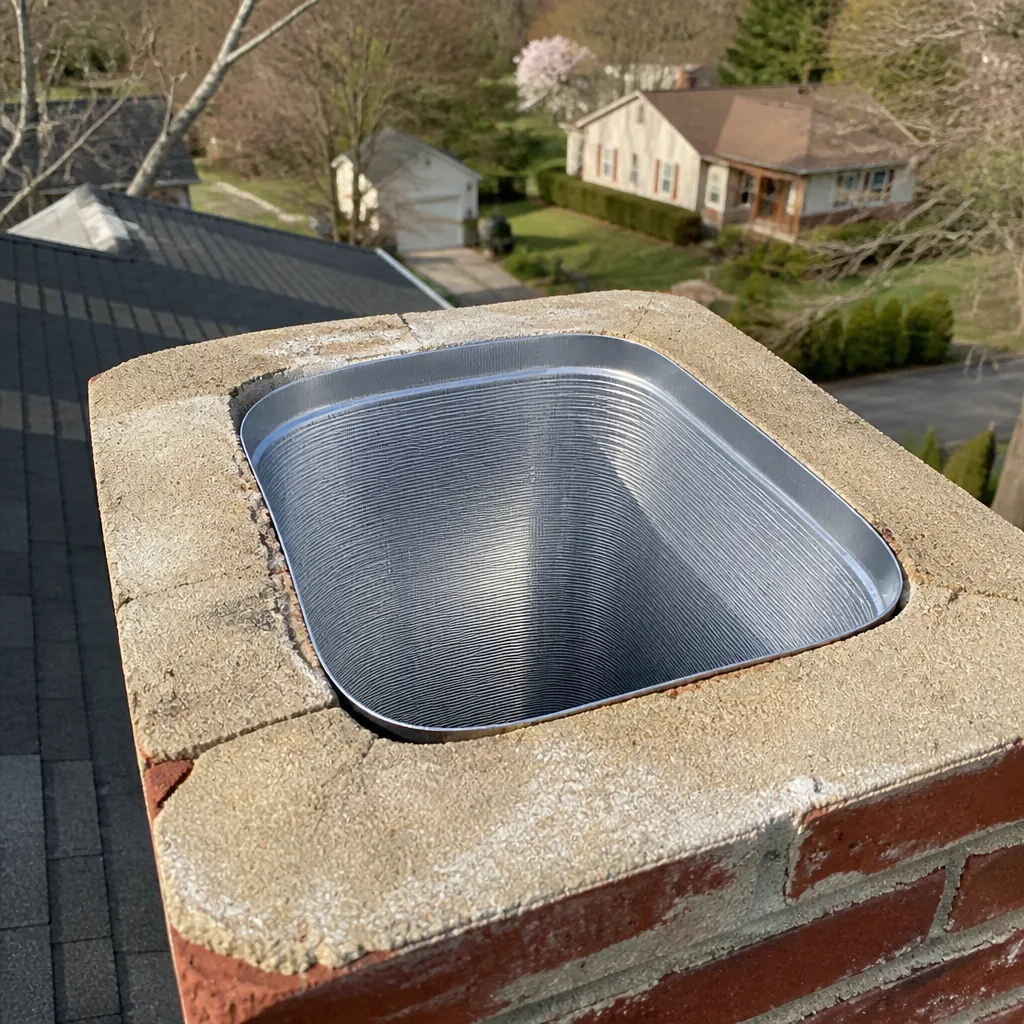 Flue relining
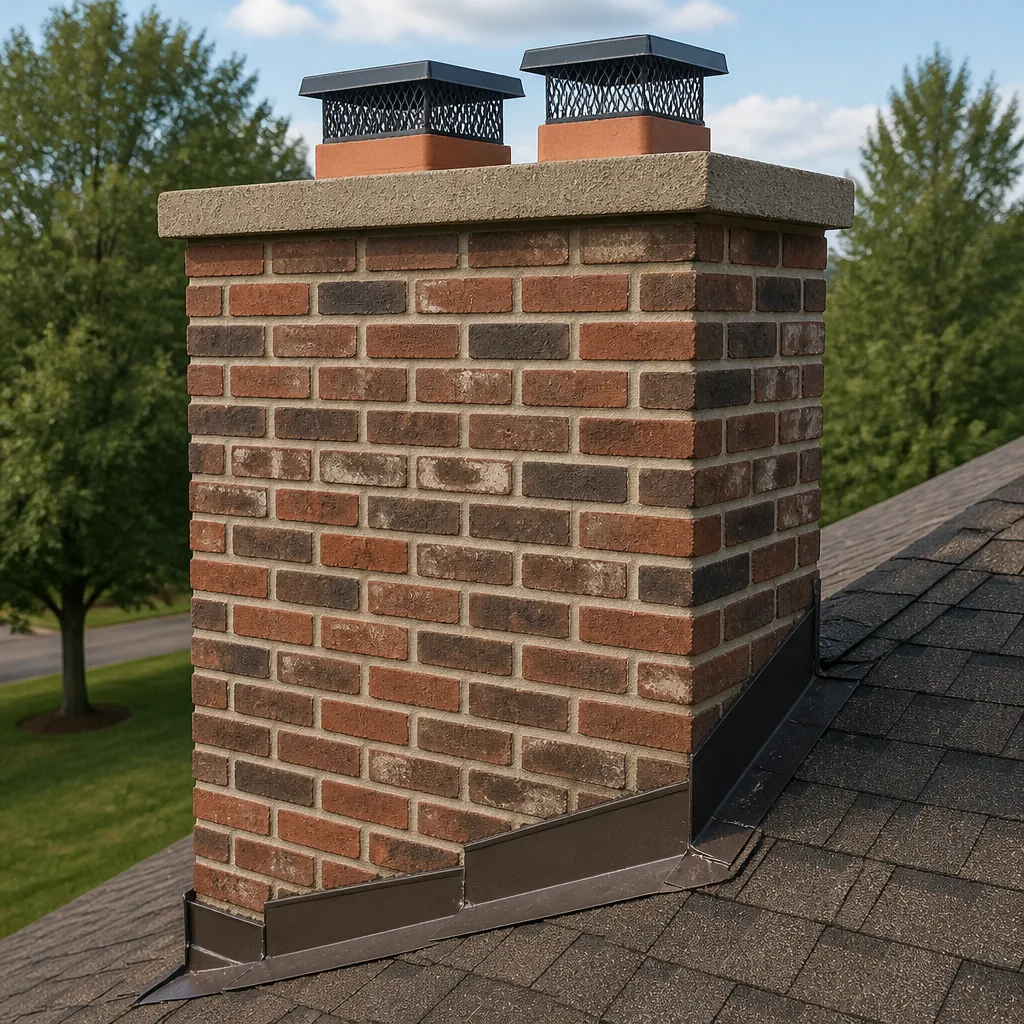 Masonry repair
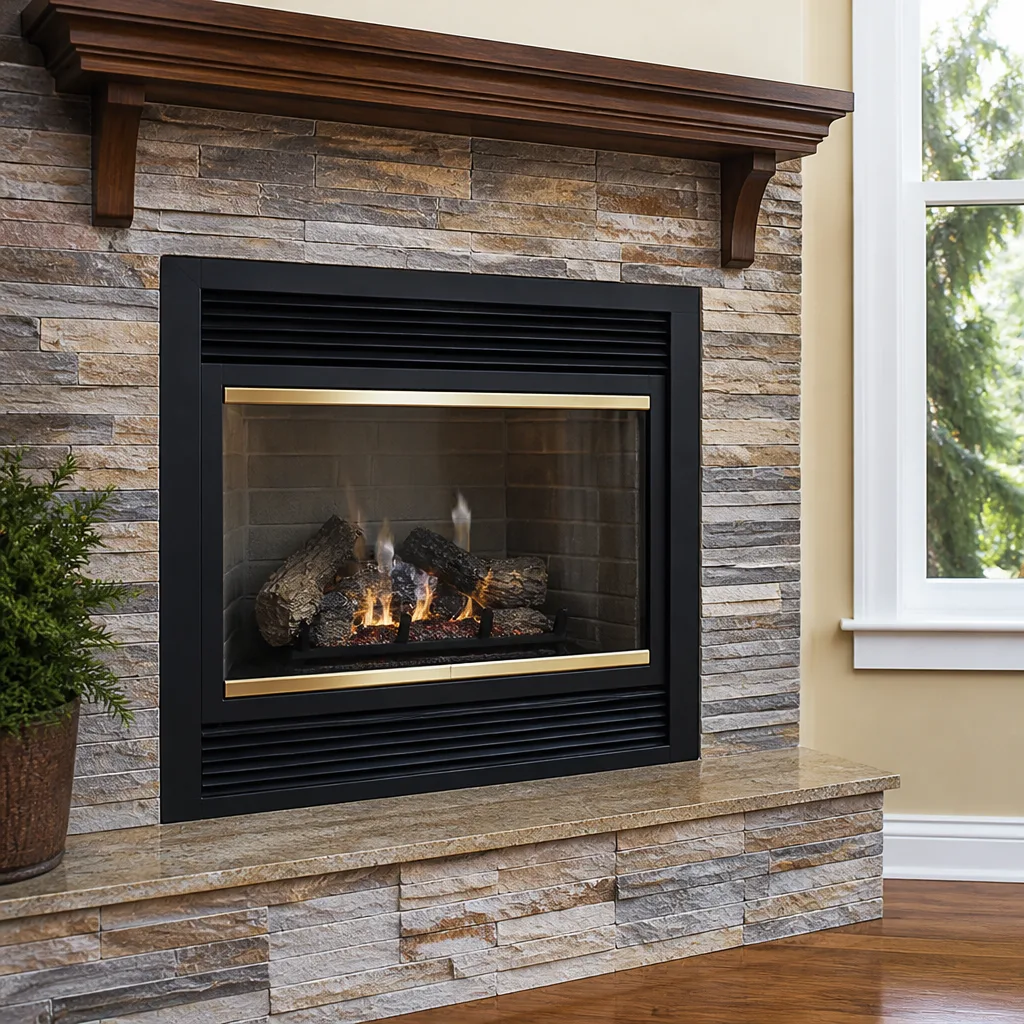 Gas fireplace service
Level 1 sweep and inspection to the NFPA 211 annual standard - flue, crown, cap, and flashing checked and photographed
Chimney sweep logs do not sweep chimneys. They loosen some creosote - which then falls where a brush and vacuum still have to collect it.
Fast, Reliable Chimney Inspection Across Castle Hill
If you live in Castle Hill and your chimney is original to a 1920s to 1960s brick house, a proper inspection is the only way to know what’s actually inside that stack. We work throughout the Northeast Bronx and know this neighborhood’s housing well: tightly packed lots, sloped streets, exterior masonry chimneys that have been through decades of winters. You get a camera inspection and a photo report you can look at yourself, and a flat-price sweep or inspection agreed before we book. Call (833) 513-8531 to set one up.
Why Castle Hill Homeowners Call Chimney Sweep Throggs Neck for Chimney Inspection
Chimney Sweep Throggs Neck is a chimney specialist, not a general contractor with a brush. Every job we take on is a chimney job, and our technicians have up to 13 years of experience working on exactly the kind of aging masonry you find across Castle Hill.
Homeowners here use their fireplaces and wood inserts and understand the risk of a neglected flue. What they don’t want is someone telling them they need a full liner or rebuild they can’t verify. So we don’t recommend anything without camera footage you can see for yourself, and we’ll tell you plainly when work can safely wait. That approach has built our standing with Castle Hill customers, and it’s why neighbors pass our number along.
We cover the whole area, from the houses along Castle Hill Avenue up through the sloped side streets toward the water, and we schedule around the parked cars and narrow driveways that come with the territory. The local pro we connect you with is licensed and insured as New York requires, and the written estimate sets the final price.
Styles & brands we work with
- Sweep & inspection
- Caps & crowns
- Flue relining
- Masonry repair
- Gas fireplace service
Our Chimney Inspection Services in Castle Hill
Your flue is the one part of your fireplace you can’t see. An inspection tells you what condition it’s in and whether a repair is needed now or later. Here’s what each level covers and how it applies to Castle Hill’s older homes.
Level 1 Inspection
A Level 1 inspection covers the accessible parts of the chimney and firebox, plus a visual check of the flue from the firebox and at the top. It’s the right call for a Castle Hill house in regular use with no known problems, and it’s the annual check we recommend most often for wood-burning fireplaces. If you’ve just moved in or something has changed, we usually suggest stepping up to a Level 2.
Level 2 Inspection
A Level 2 inspection adds a camera run through the flue and a closer look at the joints, liner, and smoke chamber. This is where Castle Hill’s pre-1950 unlined and clay-tile flues get a real answer, because it’s the only way to see whether the mortar joints have eroded or the tiles have cracked and shifted. This is the level you need after a chimney fire, a conversion to gas, or any change to the heating system.
Level 3 Inspection
A Level 3 inspection opens up the chimney structure itself when the earlier levels turn up a problem that needs a direct look, such as a crown pulling away from the flue or a section of brick that’s spalling. On Castle Hill’s older brick chimneys, a Level 3 is sometimes the only way to diagnose why water is tracking down the stack. It’s a bigger job, and we’ll only recommend it when the evidence calls for it.
Camera Inspection
Camera inspection is the core of what we do on these homes. We run a camera through the flue and record what it finds: cracked or shifted tiles, gaps at the joints, spalling, creosote buildup, and misaligned flues where a gas appliance has been vented into a stack that wasn’t sized for it. You see the footage. If a camera run turns up a deteriorated interior that’s a repair rather than a rebuild, HeatShield resurfacing is often the answer. Our chimney inspection team documents everything and shows you before recommending anything.
Trusted Brands We Service in Castle Hill
The materials on the job matter as much as the diagnosis. We work with professional-grade products from brands chimney specialists rely on: DuraFlex flexible liners for relining older or irregular flues where a rigid liner won’t fit, HeatShield for resurfacing a damaged flue interior short of full replacement, and Gelco for repair components. For caps and accessories, we source from Famco and Copperfield. These are the parts made for chimney work, not hardware-store substitutes, and they’re what we specify when we put an estimate together in Castle Hill.
Common Chimney Inspection Problems We See in Castle Hill Homes
- Unlined clay-tile flues that have cracked and shifted. Many Castle Hill chimneys were built before 1950 as unlined brick or clay tile, often originally for coal or oil. Over the years the tiles can crack and the joints can open, letting flue gases seep into the brickwork and adjacent rooms, and the gap is usually invisible until a camera shows it.
- Crowns spalling and pulling away from the flue. Castle Hill’s freeze-thaw winters take a toll on older brick crowns. Once a crown cracks, water tracks down the stack and the cycle widens the mortar joints a little more each year, which is why sloped roofs here show it faster than flatter lots.
- Gas appliances vented into oversized or abandoned flues. When a gas furnace or water heater is tied into a flue built for solid fuel, it’s often too large to draft properly, and the acidic gases eat mortar from the inside. Homeowners sometimes call it a chimney leak when it’s really a flue-sizing problem.
- Chimneys leaning away from the roofline. On the narrow sloped streets of Castle Hill, technicians routinely find older brick chimneys tilting away, sometimes from a failed crown, sometimes from footing movement. The fix depends on what the inspection finds, so it’s documented on camera first.
See the difference
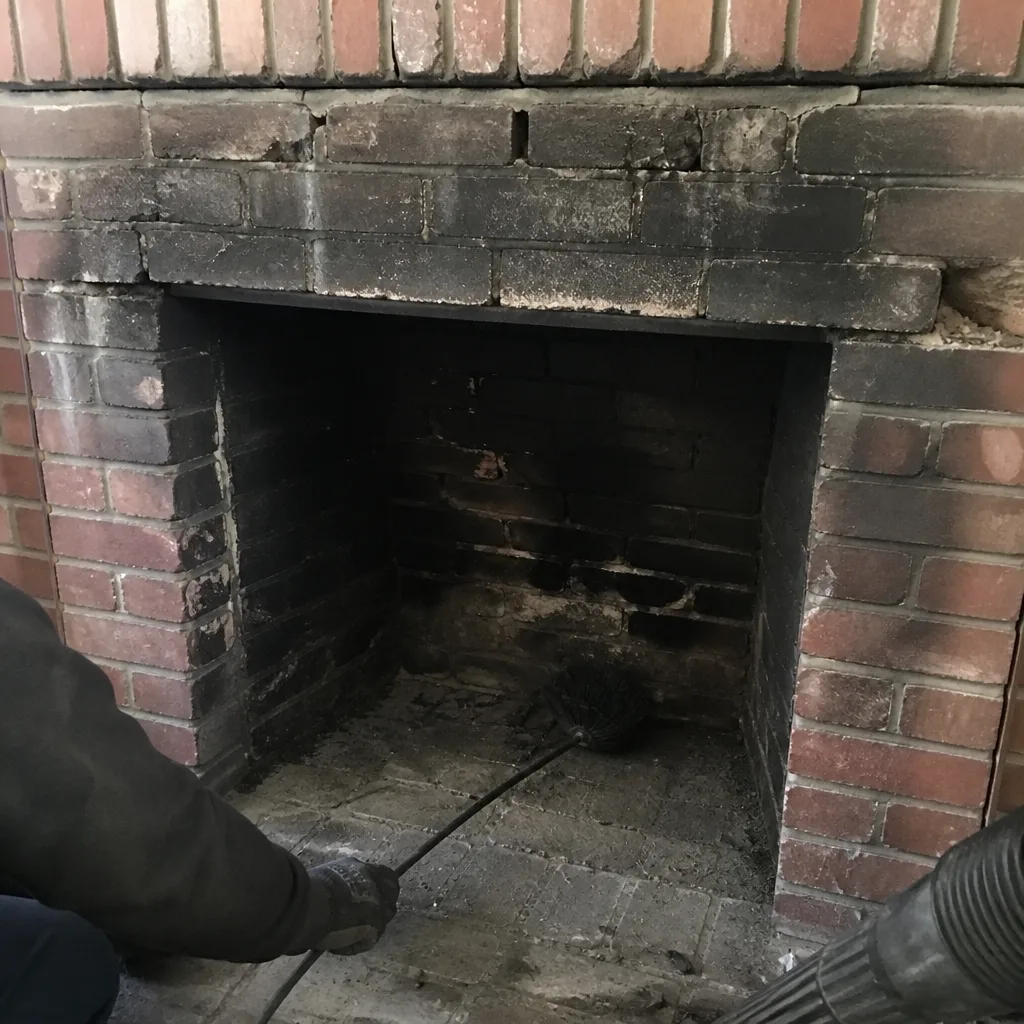 Before
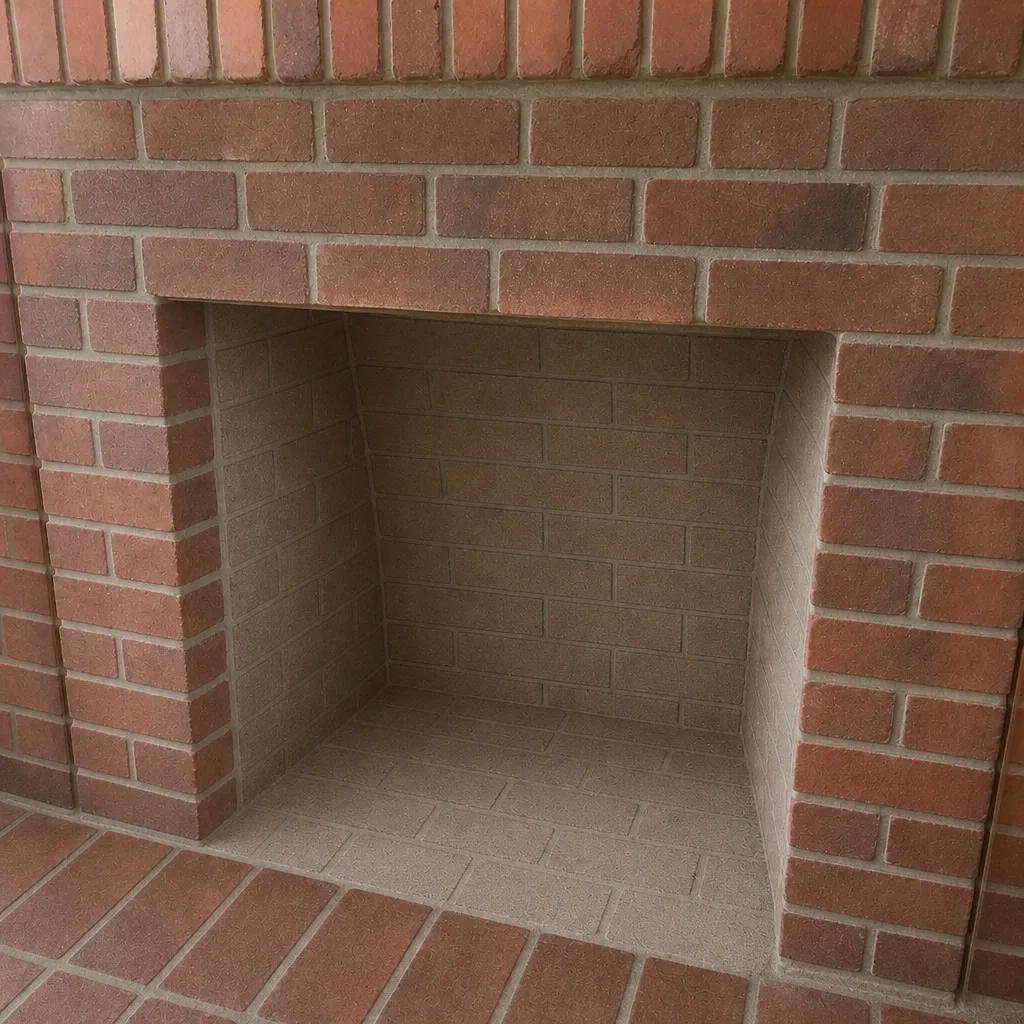 After
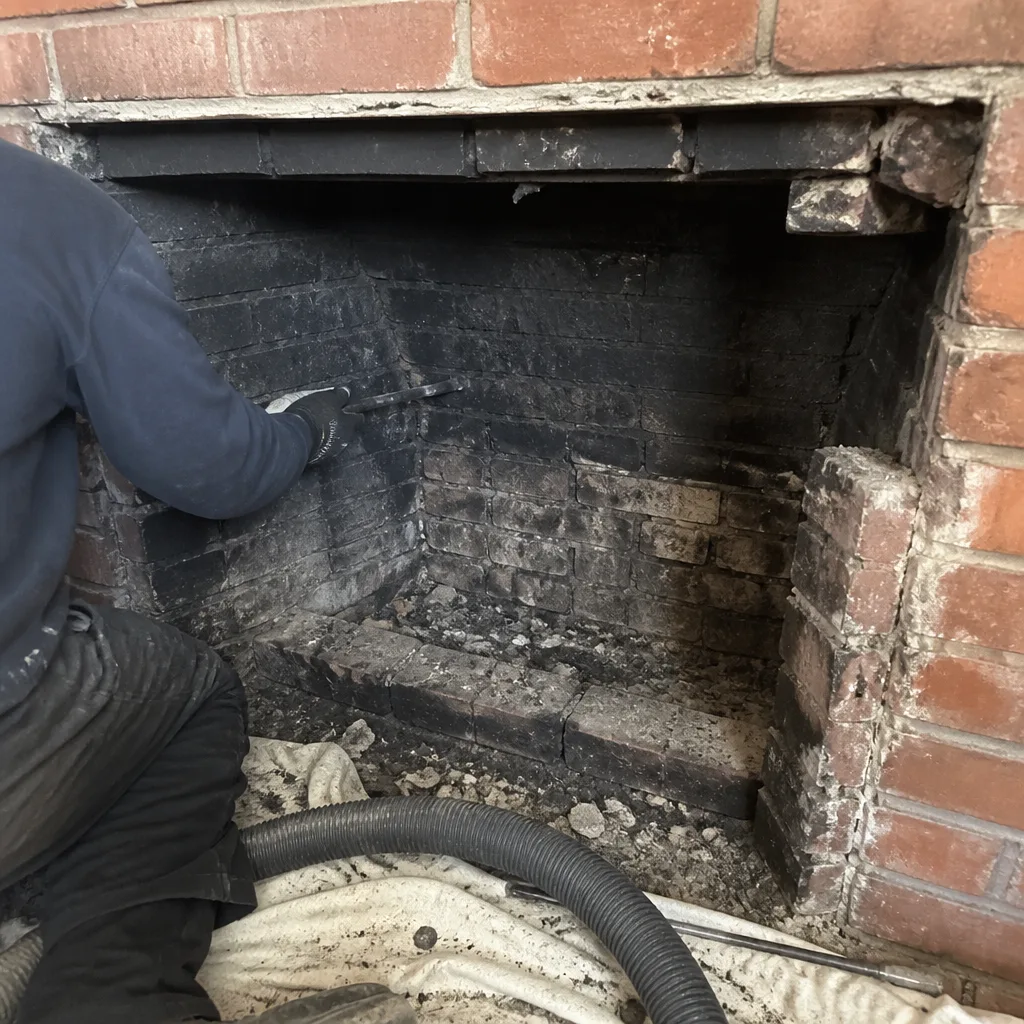 Before
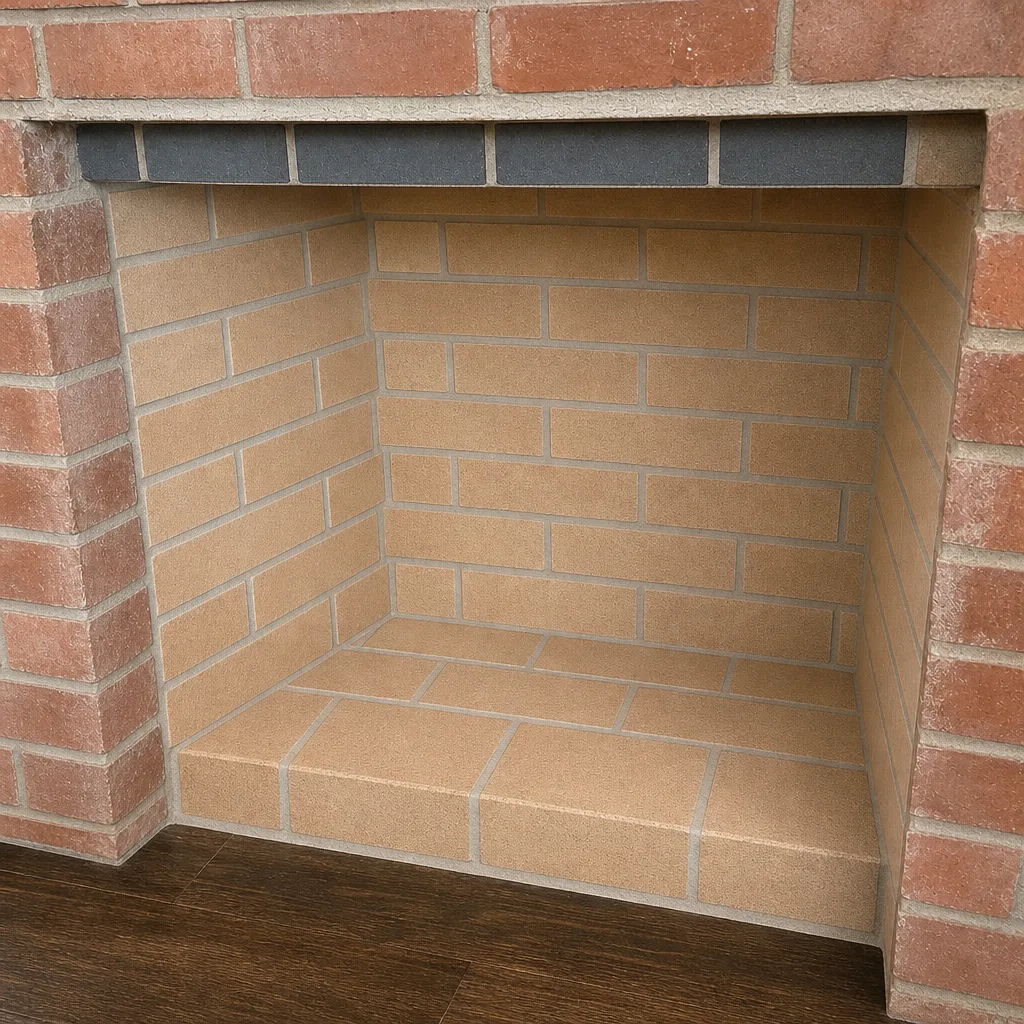 After
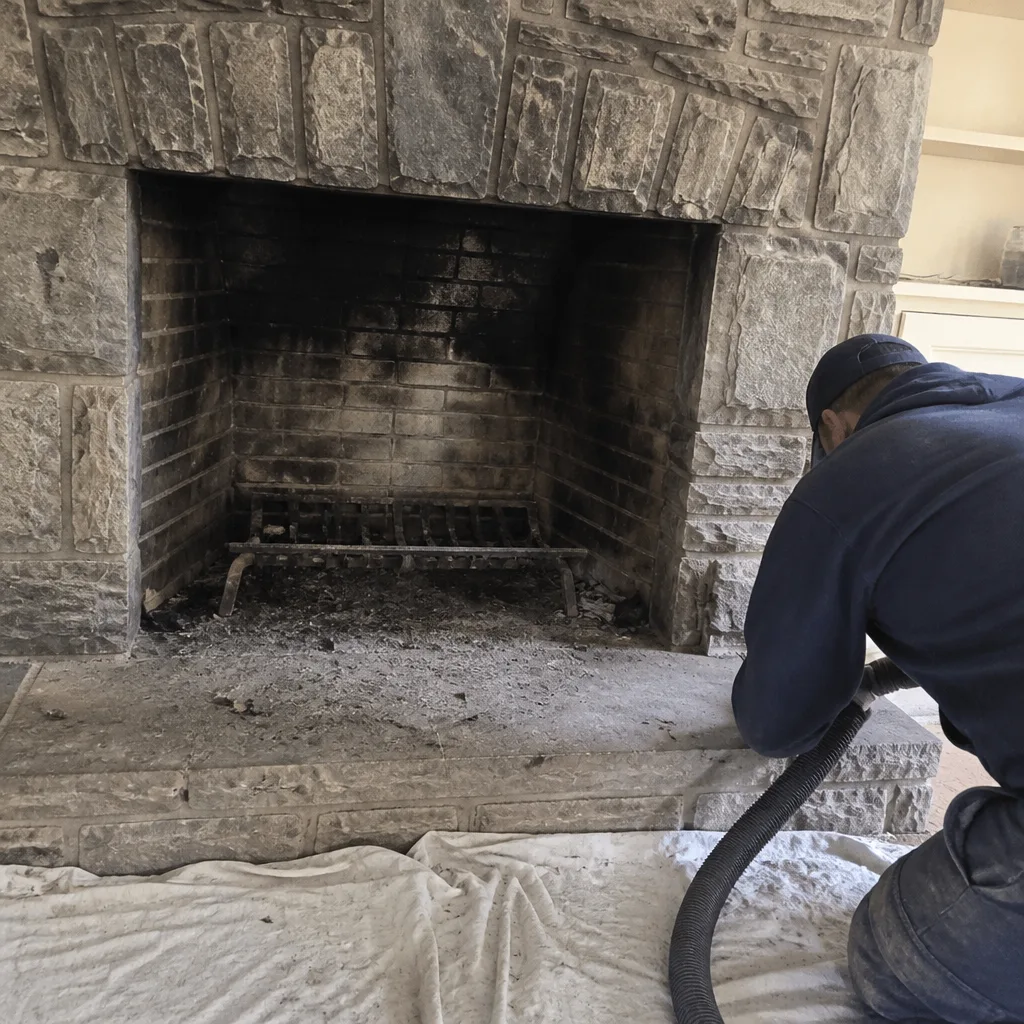 Before
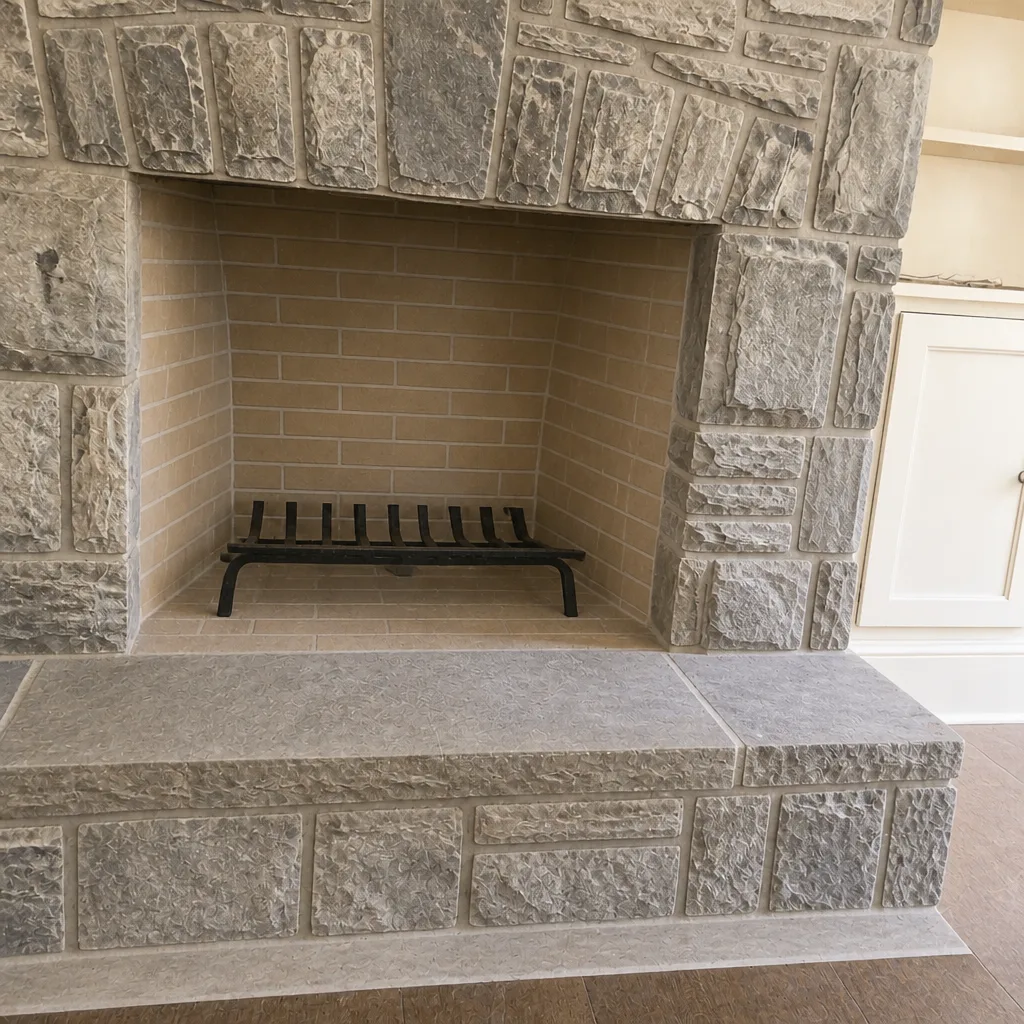 After
Pricing for Chimney Inspection in Castle Hill, NY
Pricing for a chimney inspection in Castle Hill runs on a range that reflects the level and the condition of the chimney. A typical Level 1 inspection runs $150 to $275, a Level 2 inspection with a camera run through the flue runs $250 to $450, and a camera inspection on its own runs $200 to $400. A Level 3 inspection, which involves opening up part of the chimney structure, runs higher, from about $450 to $1,200 depending on what’s found. What moves the price is the level, the length and condition of the flue, and whether the chimney needs to be accessed from a roof edge with limited setup room, which happens on the tighter lots around Castle Hill. We agree a flat price before we book, and the estimate is free. Call (833) 513-8531 for yours.
We Also Serve Cities Near Castle Hill
We look after chimneys across the surrounding Bronx neighborhoods too, including Soundview, Morris Park, Pelham Bay, and Country Club. If you’re just over the line from Castle Hill, the same inspection process applies, and the drive is short. You can learn more about how we serve Castle Hill and its neighbors on our main page.
Serving Castle Hill, NY – Our Local Coverage Area
We serve Castle Hill and nearby communities. Use the map below to see the area we cover. If you’re nearby, we can almost certainly help.
FAQs – Chimney Inspection in Castle Hill
You need a Level 2 inspection. A chimney that age, especially an unlined or clay-tile flue built for coal or oil, has had decades to develop cracked tiles and eroded joints, and only a camera run through the flue will show you what’s actually there. A Level 1 is a visual check and won’t find the hidden problems that are common in Castle Hill’s pre-war chimneys. Call (833) 513-8531 to book a Level 2.
Third-degree creosote is the hard, glazed, tar-like buildup that has baked onto the flue walls and can’t be swept off with a brush. It usually comes from solid-fuel burning, so a chimney that’s been converted to gas and no longer burns wood isn’t going to build new third-degree creosote, but older deposits can stay in the flue long after a conversion. We check for it during a camera inspection and tell you what we find on the footage. Call (833) 513-8531 for an inspection.
Look for white staining on the chimney’s exterior, a visible crack across the crown, or pieces of brick or mortar in the downspout area. On Castle Hill’s older homes, a crown that’s pulled away from the flue lets water track down the stack and freeze-thaw cycles do the rest. An inspection catches it before it reaches the ceiling below. Call (833) 513-8531 for an exact quote on an inspection.
Yes, it’s common here. Castle Hill’s older brick chimneys often tilt away from the roofline as a failed crown or footing movement takes its toll on tightly packed lots. What fixes it depends on what the inspection shows, from crown repair to repointing to a structural repair, and we don’t recommend one without camera and photo evidence. Call (833) 513-8531 to get an inspection booked.
Yes. Even without wood burning, a gas appliance vented into an older Castle Hill flue can produce acidic gases that erode mortar joints from the inside, and a flue that’s been sitting unused can develop cracks and blockages. A yearly inspection catches those problems before they become a repair. Call (833) 513-8531 for a free estimate on an inspection.
Get Your Chimney Inspection in Castle Hill
If you’re in Castle Hill and your chimney hasn’t been looked at in a while, or you’ve noticed white staining outside or a sulfur smell in the basement, an inspection is the sensible next step. You’ll see the camera footage before anyone recommends a repair, and the estimate is free. Call (833) 513-8531 for a free estimate. We answer 24/7 and book fast dispatch from 7am to 7pm, Sunday through Friday.
Written by the team at Chimney Sweep Throggs Neck.