
Last updated November 25, 2026
 Sweep & inspection
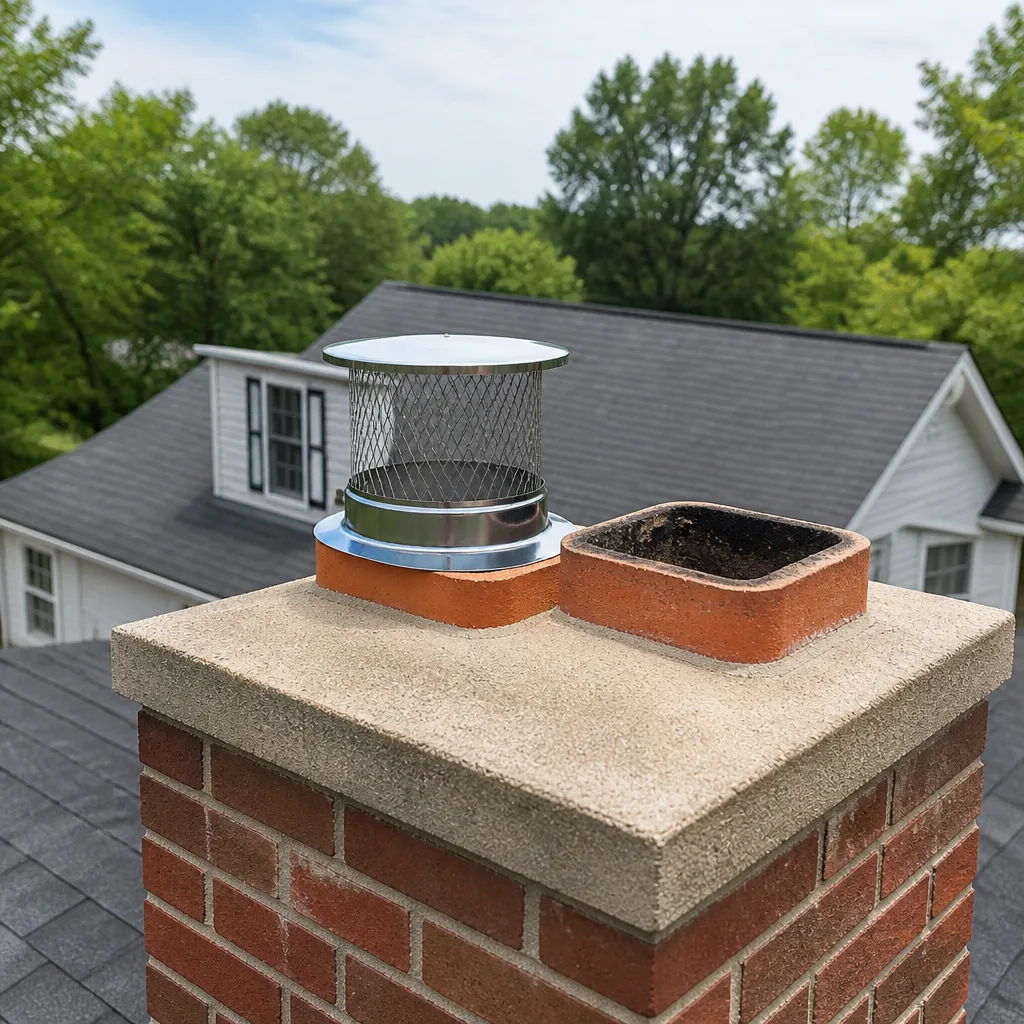
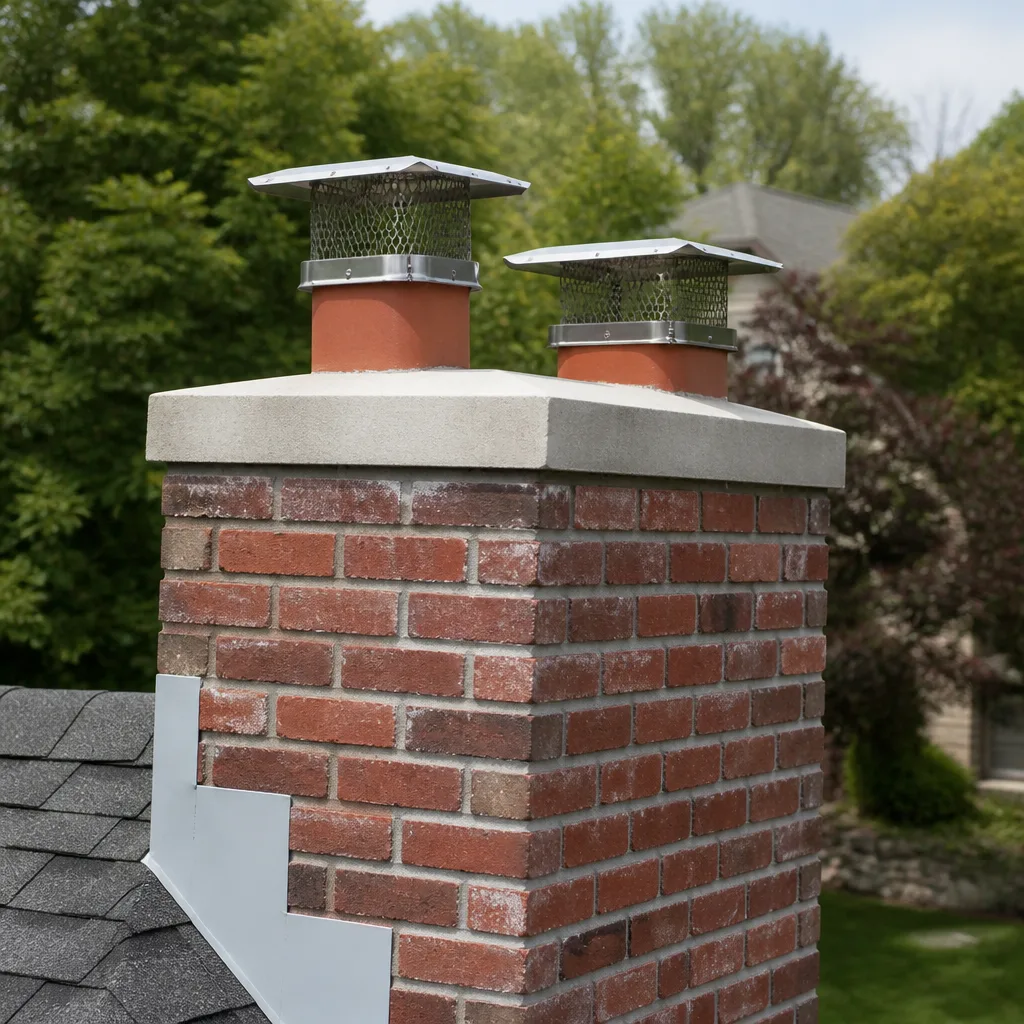 Caps & crowns
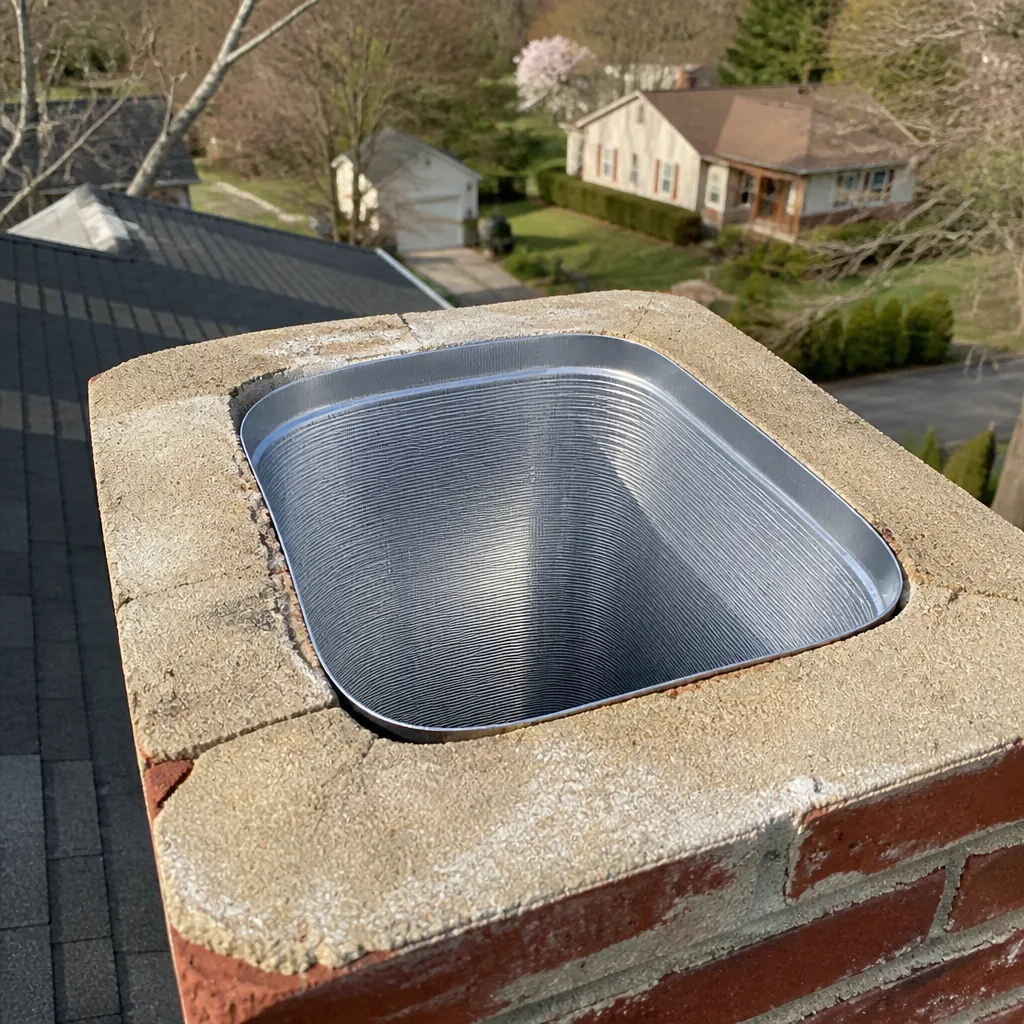 Flue relining
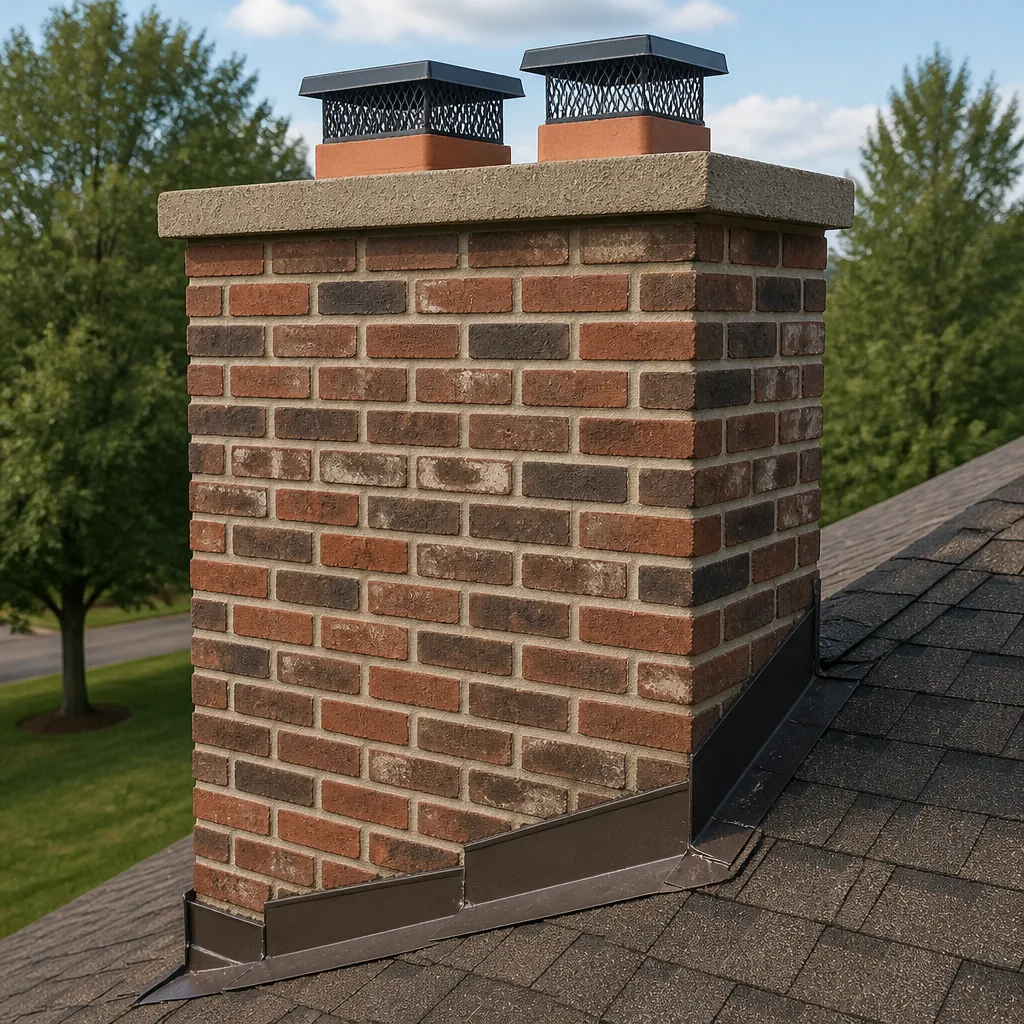 Masonry repair
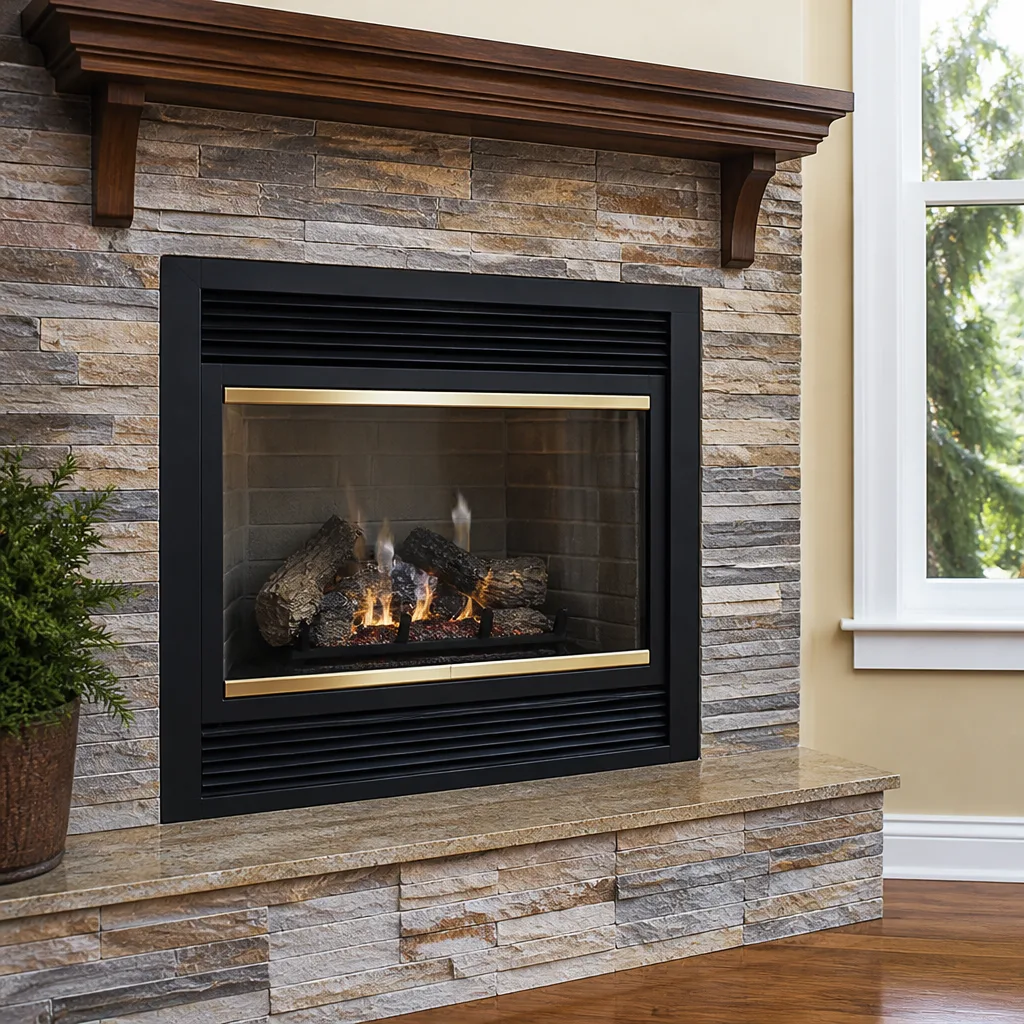 Gas fireplace service
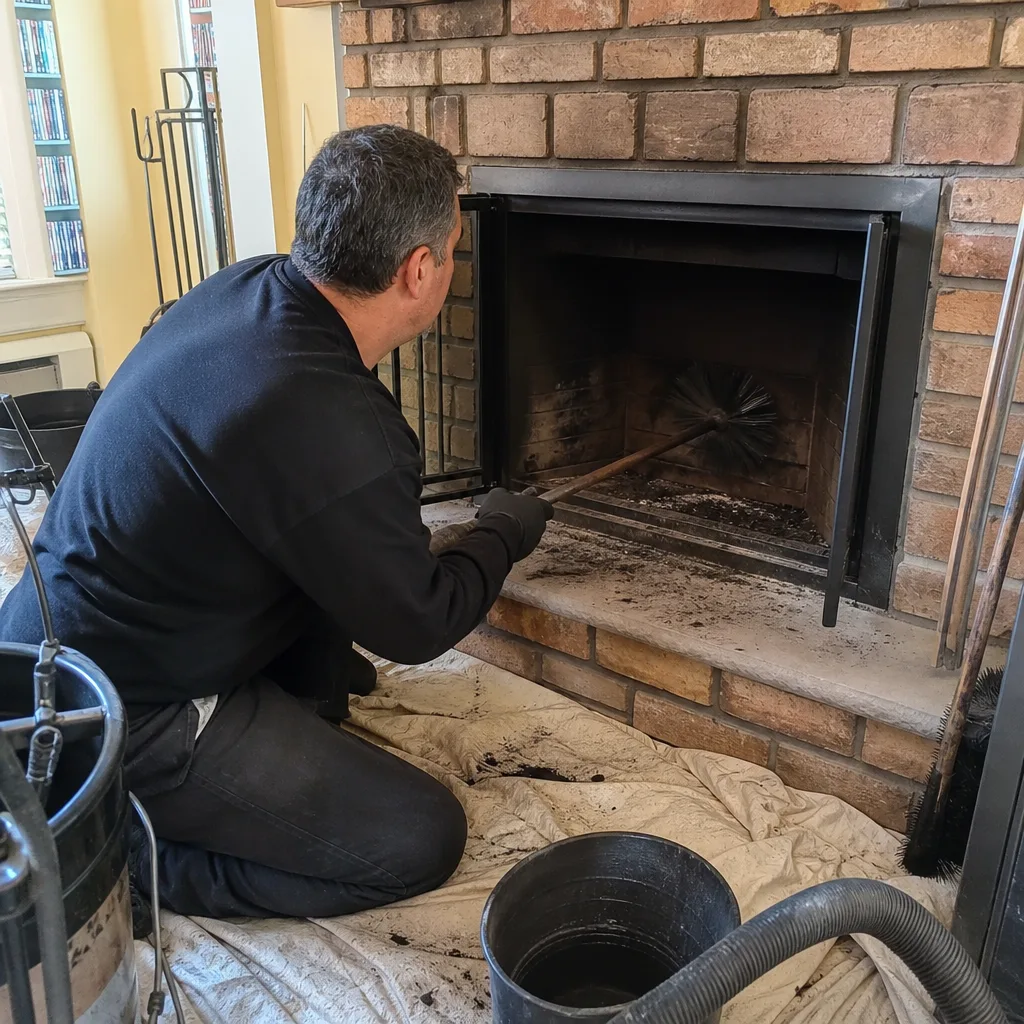
Level 1 sweep and inspection to the NFPA 211 annual standard - flue, crown, cap, and flashing checked and photographed
Chimney sweep logs do not sweep chimneys. They loosen some creosote - which then falls where a brush and vacuum still have to collect it.
The Complete Guide to Chimney Cleaning in Throggs Neck
Most people think chimney cleaning is about removing soot. It’s not. Soot is the visible byproduct; the real work is finding what’s hiding behind it. In Throggs Neck, where a large share of homes went up before 1970, the flue liners inside those chimneys were often sized for coal or oil furnaces, not for the wood-burning inserts and fireplaces homeowners rely on now. That mismatch is where most chimney problems actually begin, and it’s why a cleaning here needs to be more than a brush down the flue. This guide walks through what a proper cleaning involves, why the neighborhood’s housing stock and humid summers matter, how to read an inspection report without feeling pressured, and what to expect at every stage.
Quick Answer
A professional chimney cleaning in Throggs Neck involves a Level 1 or Level 2 inspection plus mechanical sweeping of the flue, firebox, and smoke chamber, and it should be done annually for anyone burning wood regularly. The sweep also checks the liner, crown, cap, and mortar joints, since the neighborhood’s older masonry and humid summers accelerate wear that soot alone won’t reveal. If the liner shows cracks or gaps, the sweep will document them with photos and explain whether resurfacing or relining is actually needed.
Styles & brands we work with
- Sweep & inspection
- Caps & crowns
- Flue relining
- Masonry repair
- Gas fireplace service
Table of Contents
- Why Throggs Neck’s Older Housing Stock Changes the Equation
- Humidity, Mortar, and Why Annual Cleaning Isn’t Optional Here
- Level 1, Level 2, and Level 3: Which Inspection Applies
- What Professional Rotary Cleaning Does That a Hand Brush Can’t
- How to Read a Sweep’s Report and Prioritize Repairs
- Liners, Caps, and the Materials That Actually Last
- Common Mistakes to Avoid
- When to Call a Professional
Why Throggs Neck’s Older Housing Stock Changes the Equation
Walk through the residential blocks around Emerson Hill or along the streets off East Tremont and you’ll notice a pattern: two- and three-story homes, many with original masonry chimneys, built in the decades before modern flue standards took hold. That matters more than most homeowners realize. A chimney built for a coal furnace has a different internal geometry than one designed for a wood-burning fireplace insert. The flue may be too large for the appliance, which slows the exhaust and lets creosote condense on the walls instead of being carried out. It may also lack a properly sized liner altogether.
Creosote builds faster when flue gases cool before they exit the chimney. In older Throggs Neck homes, that cooling happens for three reasons:
- Oversized flues. A flue sized for a coal furnace is too wide for a modern insert, so smoke lingers and deposits on the walls.
- Unlined or poorly lined chimneys. Original clay tile liners crack with age and thermal cycling; some pre-war chimneys have no liner beyond the brick itself.
- Exterior chimney runs. A chimney on an outside wall stays colder than one tucked inside the house, and cold flue walls condense creosote faster.
The result: a chimney in a 1940s Throggs Neck colonial can accumulate a year’s worth of creosote in a single heating season if the flue is the wrong size for what’s burning inside it. That’s not a reason to panic. It’s a reason to have the flue measured and photographed at each cleaning, and to know what you’re actually dealing with before someone sells you a liner you may not need. In our experience, a straightforward measurement and camera look settles the question in about 20 minutes.
Humidity, Mortar, and Why Annual Cleaning Isn’t Optional Here
Throggs Neck sits close to Long Island Sound and gets the kind of humid summers that keep masonry damp for weeks at a time. That moisture does two things to a chimney. First, it works into the mortar joints and brick faces on the exterior stack, and freeze-thaw cycles through winter spall and crack them. Second, it reacts with the acidic deposits creosote leaves behind on the inside of the flue, which is one reason interior liners degrade faster in humid climates than dry ones.
A chimney that goes three or four years without a cleaning here isn’t just overdue. It’s accumulating a layer of creosote that’s harder to remove, more corrosive to the liner, and more flammable. The three stages of creosote matter for this:
- Stage 1: soot and light flake. Sweeps off with a standard rotary brush. Normal after one season.
- Stage 2: hardened, crusty deposit. Needs more aggressive mechanical action and often a chemical treatment before the brush can break it loose.
- Stage 3: glazed, tar-like coating. The hardest to remove and the most dangerous. Often requires specialized equipment and may point to a flue sizing problem.
Annual cleaning keeps you in Stage 1 territory. Every year you skip moves the deposit up a category, and Stage 3 is where cleaning stops being routine maintenance and starts being an expensive remediation job. The same humid air that pushes creosote to harden also makes a proper chimney sweep more valuable as a form of inspection: the sweep sees the interior condition, the mortar joints, and the cap in one visit. If the crown or cap has cracked from a winter thaw, a chimney cap & crown check is part of the same conversation.
Level 1, Level 2, and Level 3: Which Inspection Applies
Every cleaning visit should include an inspection, and the scope of that inspection is defined by three levels. Knowing which one applies to your chimney is the single best defense against a vague “you need work” recommendation.
Level 1 Inspection
A Level 1 is the standard inspection performed during an annual cleaning when nothing has changed in how the chimney is used. The sweep looks at readily accessible portions of the chimney, firebox, damper, and flue from the top and bottom, and confirms no obstruction or deposit buildup. It applies when the same appliance, the same fuel, and the same setup have been in place since the last cleaning.
Level 2 Inspection
A Level 2 is required whenever there’s a change: a new appliance, a switch from wood to gas, a chimney that’s changed hands with a home sale, or after a chimney fire or earthquake. It includes everything in a Level 1 plus a video camera scan of the entire flue interior, which is how liner cracks, joint gaps, and hidden obstructions get found. If your Throggs Neck home recently changed hands, a Level 2 is what you want before the first fire of the season.
Level 3 Inspection
A Level 3 is the most thorough. It’s only called for when a Level 1 or Level 2 finds something that can’t be assessed without opening up part of the chimney or removing a component. It means access into concealed areas, and it’s not routine. If a sweep recommends a Level 3 without having done a Level 2 first, ask why.
For most Throggs Neck homeowners burning wood through the colder months, a Level 1 at each annual cleaning with a Level 2 every few years or after any significant change is the right rhythm. Ask which level you’re getting before the visit starts, and ask for the camera footage either way.
What Professional Rotary Cleaning Does That a Hand Brush Can’t
The brushes sold at hardware stores are a false economy for anything beyond a light touch-up. A consumer brush can’t clear a hardened Stage 2 deposit, can’t reach the offset or irregular flue shapes common in older Throggs Neck chimneys, and can’t measure what it’s leaving behind. Professional rotary systems work differently. A flexible shaft spins a brush head against the flue wall at controlled speed and pressure, breaking the deposit off in a consistent pass from the top down or bottom up depending on the chimney’s configuration.
Here’s what a properly equipped sweep brings to the job that a homeowner can’t replicate:
- Rotary brush heads sized to the actual flue. A brush that’s too small skips the corners; too large, and it damages the liner. Matching the brush to the measured flue is the first step.
- A debris containment system. A sealed HEPA vacuum connected to the firebox keeps soot out of the living space. Cleaning without one means soot settles into furniture, curtains, and vents for weeks.
- A camera for the interior scan. Rotary cleaning reaches the walls; the camera documents what the walls look like, which is what your report should show.
- Access to chemical treatments. Stage 2 and Stage 3 deposits need a spray-on treatment to soften before the brush will lift them. These aren’t sold retail.
- A cap and crown inspection from the roof. The top-down pass is the only way to genuinely assess the crown and cap condition.
None of that is about selling equipment. It’s about the difference between a cleaning that leaves the flue genuinely clear and one that just looks clean. A rotary pass plus a camera scan is how we know, rather than guess, what condition the interior of a Throggs Neck chimney is in. Our technicians have up to 13 years of experience doing exactly that.
How to Read a Sweep’s Report and Prioritize Repairs
You should come out of every cleaning with a written report and photo documentation, not just a verbal summary. The report is what lets you decide for yourself whether a recommended repair is necessary, and when it can wait. A well-built report covers four things: the flue condition, the liner condition, the exterior chimney condition (crown, cap, mortar), and any appliance-related notes.
Here’s how to sort what comes back at you, from “do this now” to “book it when it suits you.”
- Urgent: anything that compromises the flue’s containment. Cracks through the liner, gaps between liner sections, or a missing cap on a flue that’s open to rain and wildlife. These affect safety and worsen with every fire.
- This season: a damaged crown or a cracked cap. A crown that’s failing lets water into the stack, and water is what destroys masonry. A chimney repair at this stage is cheaper than rebuilding the top of the stack later.
- Can wait: cosmetic spalling, minor mortar joint wear, and a slightly weathered cap. These are real but not urgent. Repointing or resurfacing can be scheduled for the following spring, when the chimney isn’t in use.
- Ask for proof: anything recommended without photos. If a report says “the liner needs replacing” and the photo shows nothing, ask for a camera shot of the actual section. Any honest sweep will produce it.
Two rules to hold onto. First, a recommendation should always be tied to a photo you can look at yourself. Second, urgent and non-urgent should be labeled separately in the report. If everything on the list is presented as urgent, that’s a sign to get a second opinion. A good report tells you what can safely wait, because pretending otherwise is how honest specialists lose trust.
Liners, Caps, and the Materials That Actually Last
The difference between a chimney repair that lasts and one that fails in a few years usually comes down to materials. Chimney specialists work from a small roster of specialty manufacturers for exactly that reason. Here’s what we work with and why each one earns its place.
Liner Systems
For older Throggs Neck chimneys with damaged, cracked, or oversized flues, a flexible liner is often the right answer. DuraFlex flexible liner systems are designed for exactly that case: relining an aged or irregularly shaped flue where a rigid liner wouldn’t fit. On a chimney from the 1940s with an offset or a masonry jog, that flexibility is what makes the difference between a viable reline and a job that can’t be done at all.
Flue Resurfacing
Not every damaged flue needs a new liner. Where the liner is cracked, spalled, or missing in sections but the structure itself is sound, HeatShield resurfacing technology can restore the interior without tearing out the old liner. It’s a repair-tier solution: less disruptive than a full replacement, and it extends the working life of a chimney that would otherwise need a new liner right away. Choosing between HeatShield resurfacing and a full liner replacement comes down to the extent of the damage, which is why a camera scan comes before any recommendation.
Caps, Dampers, and Accessories
The cap at the top of the chimney is doing more work than most homeowners give it credit for. It keeps rain out of the flue, blocks birds and squirrels from nesting, and sparks from landing on the roof. A failing cap is one of the most common findings on a Throggs Neck chimney. Copperfield and Famco both make chimney caps, dampers, and accessories from specialty suppliers, not big-box stock, which is where the durability difference shows up over a decade. Olympia Chimney and Gelco round out the roster for liners and components where their specs are the right fit.
None of this is brand worship for its own sake. It’s about being able to match the material to the chimney in front of us rather than making one product fit every job. A chimney specialist, not a general contractor with a brush, is what keeps that match honest.
Common Mistakes to Avoid
- Cleaning your own chimney with a hand brush once every few years. A homeowner brush can’t break a Stage 2 deposit loose, and without a camera scan you have no way of knowing what’s left behind. In Throggs Neck’s older flues, a light scrub can make a dangerous flue look clean.
- Skipping the cleaning because you “only burn a little.” A few fires a month still deposits creosote, and a flue that doesn’t get hot enough for long enough builds it faster, not slower. Partial burning is a known contributor to heavier deposit in oversized flues.
- Accepting a repair recommendation without seeing the photo. Any legitimate finding can be documented with a camera shot. If a sweep says “the liner is cracked” and can’t show it, get a second look before spending money.
- Ignoring the crown and cap because the fire still draws. A crown that’s cracked doesn’t affect the draft on day one, but it lets water into the stack and into the surrounding masonry. By the time you notice, the repair has grown.
- Hiring a general handyman who “does chimneys too.” Chimney work involves specific materials, sizing, and fire codes. A generalist with a brush and a ladder is missing both the equipment and the specialty product access a chimney-focused specialist has.
- Waiting for a chimney fire or a draft problem to book a cleaning. Regular annual servicing is the cheap version. Waiting means discovering a cracked liner while there’s a fire in the box.
- Mixing a masonry or roofing contractor into a chimney repair job. Calling a roofer for a chimney crown or a masonry contractor for a liner replacement means coordinating two trades on one stack. A chimney specialist handles the whole thing.
When to Call a Professional
A chimney needs a professional visit in several specific situations. You’re burning wood or a wood insert regularly and it’s been more than a year since the last cleaning. You just bought a Throggs Neck home and don’t know when the chimney was last serviced. You’ve had a chimney fire, even a small one that went out on its own. You’ve noticed smoke rolling back into the room, a creosote smell on warm days, or water stains near the firebox. You see cracked or missing mortar on the exterior stack, or the cap is loose. Or you’re switching to a new appliance, like a gas insert or a different wood stove, which triggers a Level 2 inspection. In any of those cases, the right move is a cleaning plus the appropriate level of inspection, not a guess. Chimney Sweep Throggs Neck offers free estimates in Throggs Neck – call (833) 513-8531. We answer 24/7, with fast dispatch from 7am to 7pm, Sunday through Friday.
If you want a starting point, the main Chimney Sweep Throggs Neck page lays out every service category we handle: sweeping, inspection, cap and crown work, chimney repair, and fireplace repair, all under one trade. A cleaning is where most of it starts.
See the difference
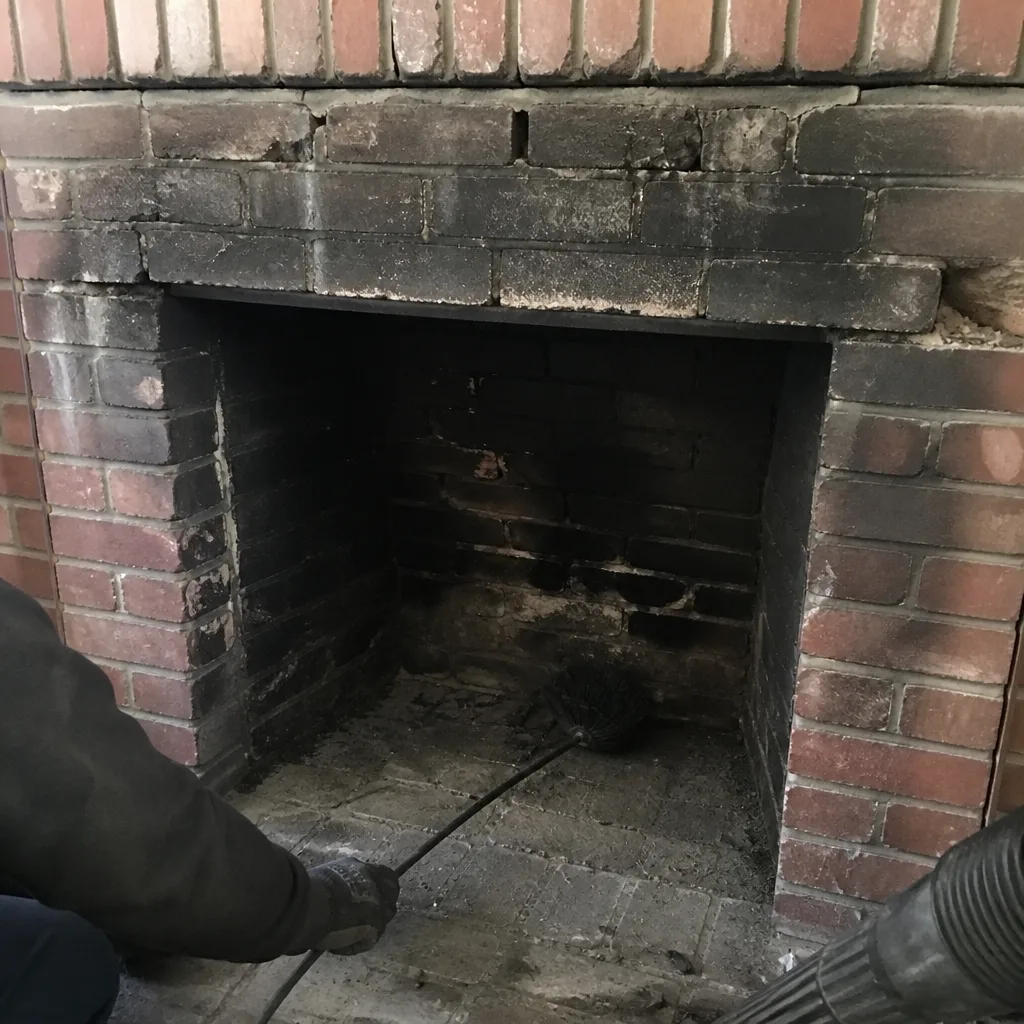 Before
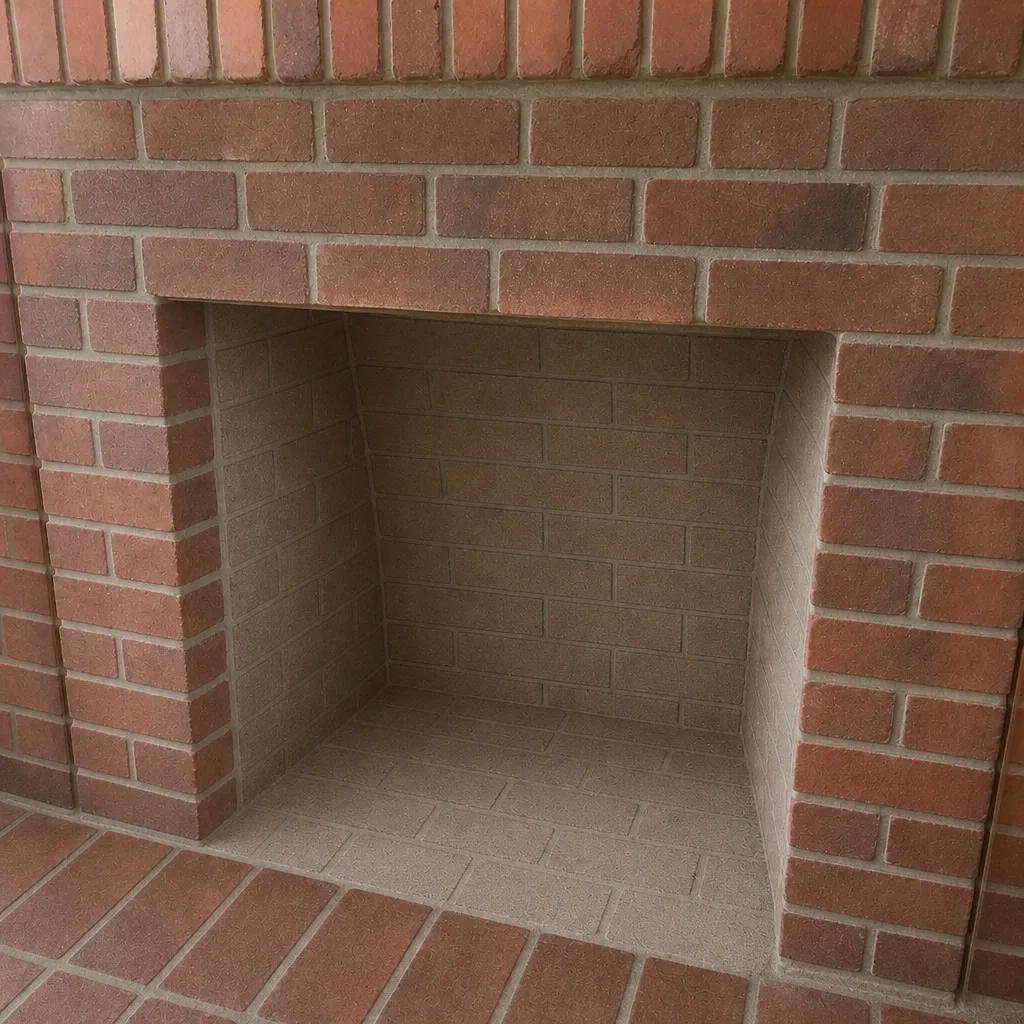 After
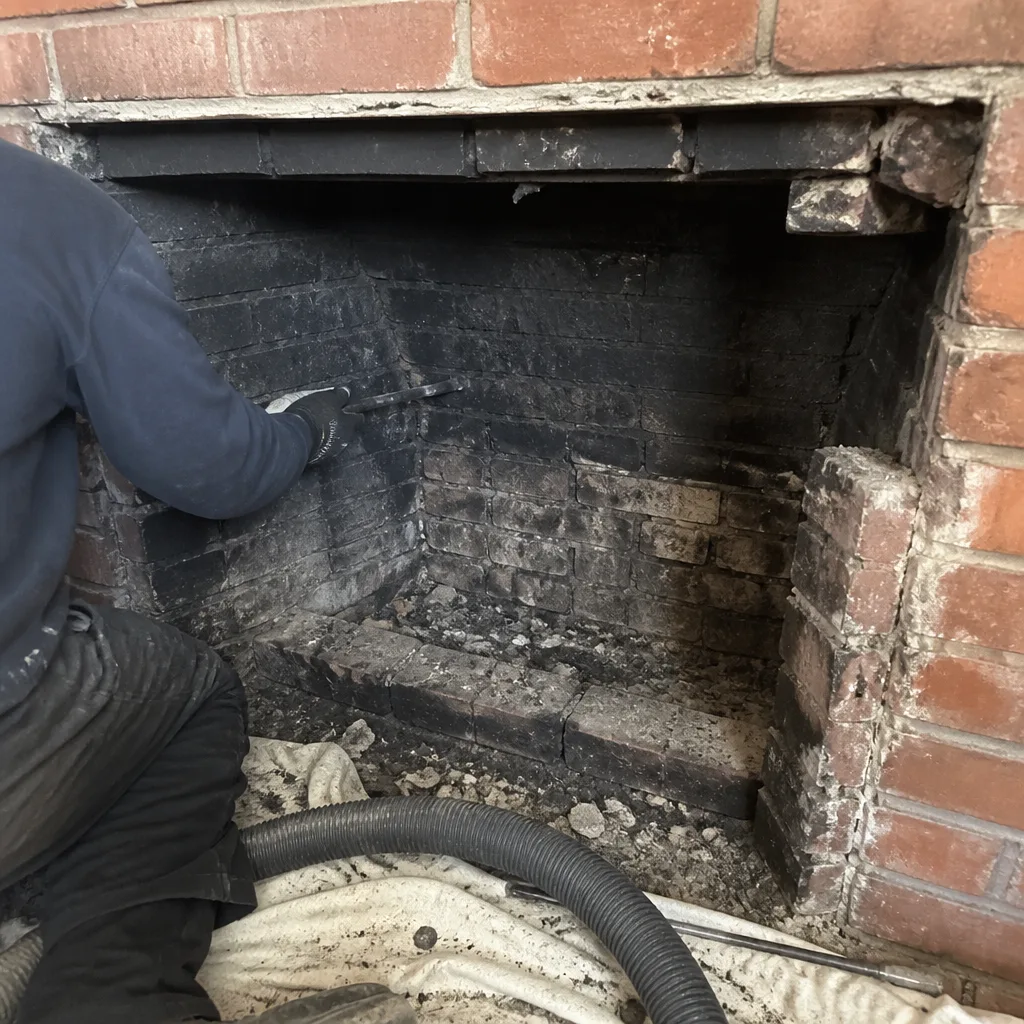 Before
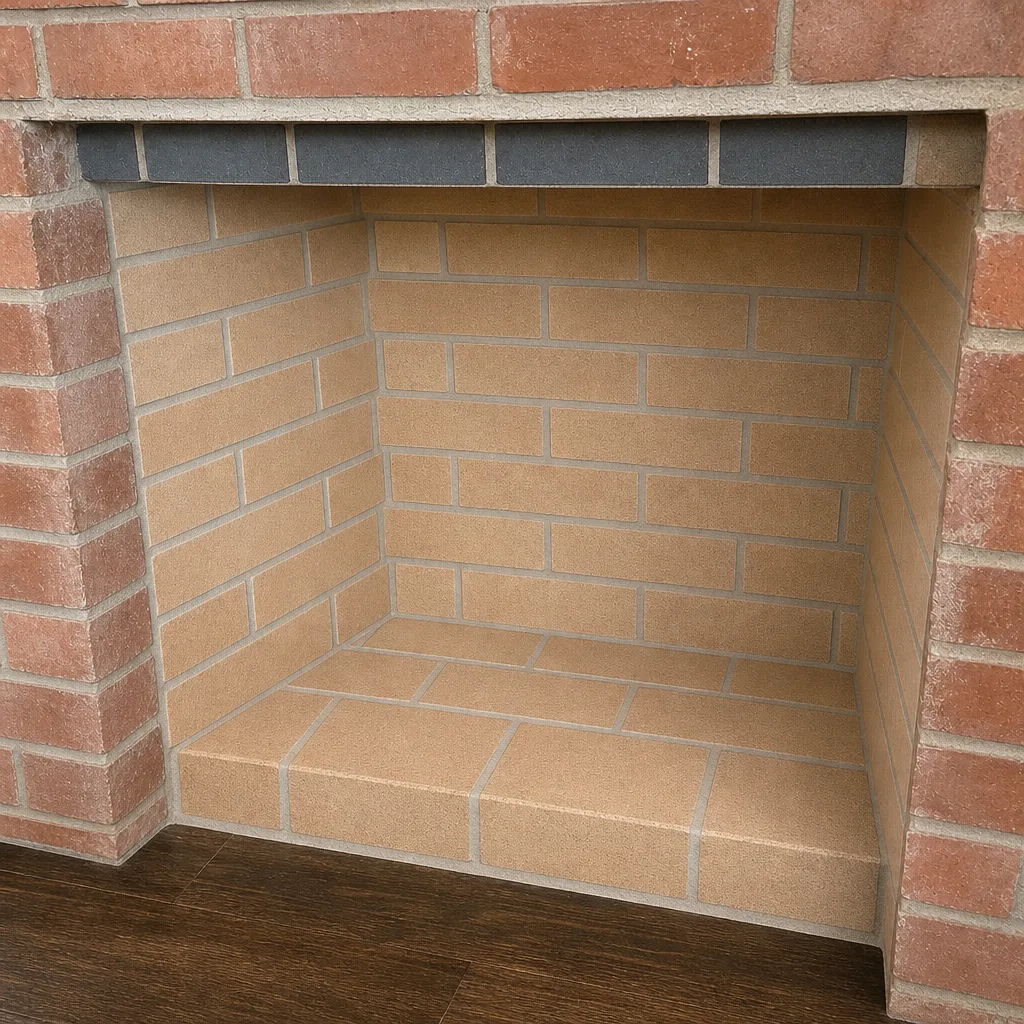 After
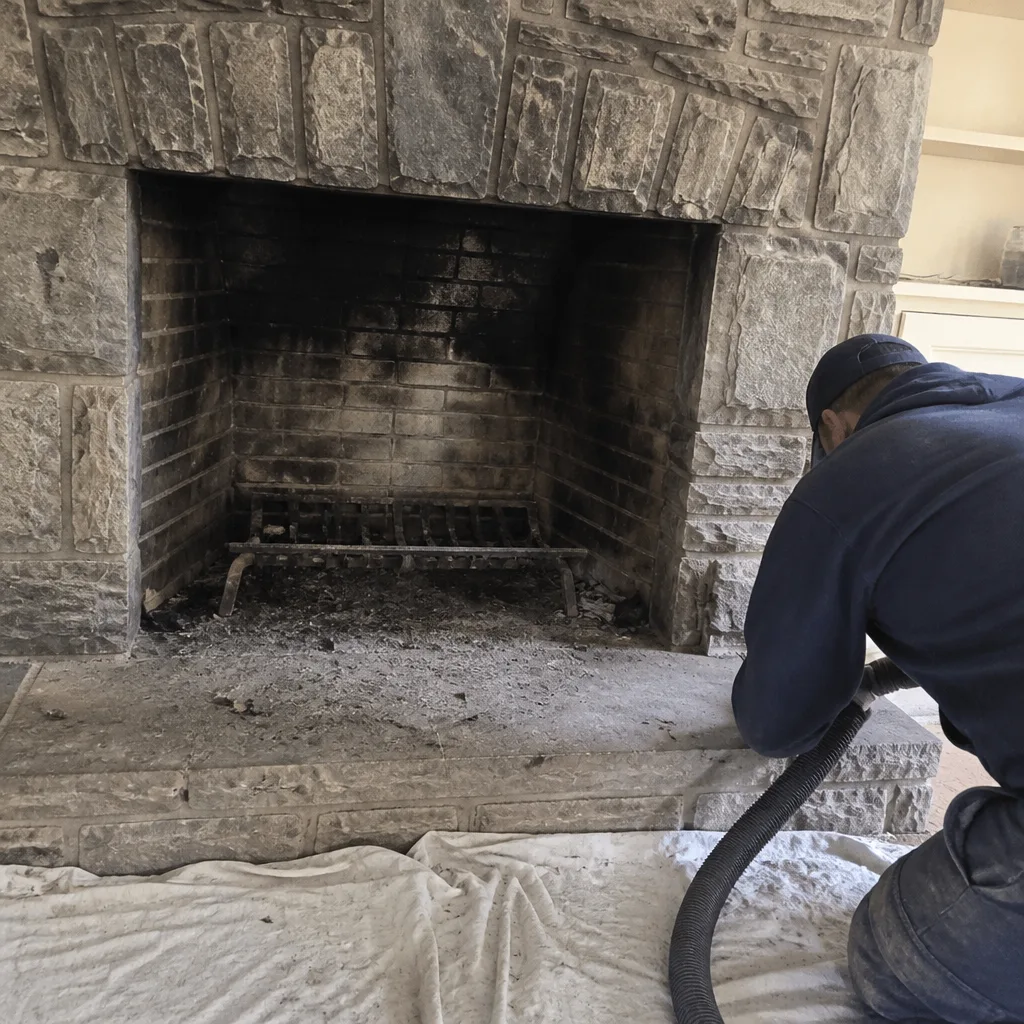 Before
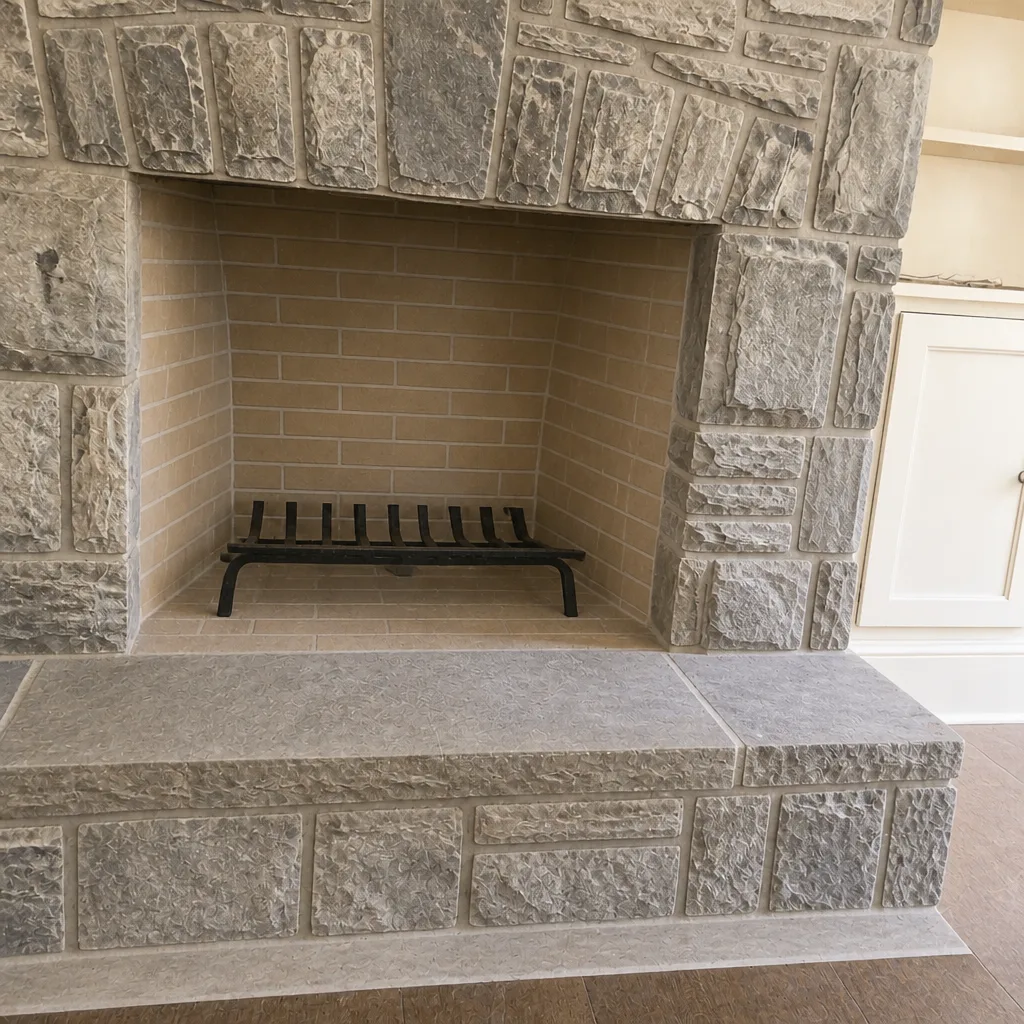 After
Frequently Asked Questions
Once a year if you burn wood regularly, and more often if the flue is oversized or the appliance is a wood insert. Throggs Neck’s humid summers and older flue geometries push creosote to build faster than in newer construction, so the annual rhythm matters here. If you only burn occasionally, a professional inspection will tell you whether the deposit level justifies a sweep.
A cleaning includes mechanical rotary sweeping of the flue, firebox, and smoke chamber, sealed HEPA vacuum containment to keep soot out of your home, a camera scan of the flue interior, and an inspection at the appropriate level. You should walk away with a written report and photos documenting the condition of the flue, liner, crown, cap, and mortar.
Not automatically. Many pre-1970 chimneys in Throggs Neck do need a liner because the original was sized for a coal or oil furnace and has since cracked or was never properly sized for wood. But the answer depends on the actual condition of your flue, and a camera scan is what settles it. If the liner is sound, the report should say so.
Resurfacing is the right call when the liner is cracked or spalled but the structure is otherwise sound; a full replacement is the right call when the damage is extensive or the flue geometry is wrong for the appliance. We work with both HeatShield resurfacing and DuraFlex flexible liner systems precisely so the choice is made on the chimney’s actual condition, not on what one product happens to fit.
Not safely, if it’s been more than a season. A flue with heavy creosote accumulation can ignite, and a cracked liner can let carbon monoxide into the home. Neither risk is visible from the firebox. Before the first fire of the season, get the flue swept and inspected; it’s a short job that removes the guesswork.
A Level 1 inspection is standard at an annual cleaning and covers the accessible portions of the flue, firebox, damper, and chimney exterior. A Level 2 adds a full camera scan of the flue interior and applies after a change of appliance, a home sale, or a chimney fire. A Level 3 only comes up when a hidden area needs to be opened up, and it should never be recommended without a Level 2 first.
Yes. Cleaning, inspection, cap and crown work, chimney repair, and fireplace repair all fall under the same chimney-focused service. There’s no handoff to a second contractor when the report turns up a repair, and the materials come from specialty brands like DuraFlex, HeatShield, Copperfield, and Famco rather than general stock.
The Bottom Line
Chimney cleaning in Throggs Neck isn’t a soot-removal chore. It’s the annual check that tells you whether your flue is safe to use and how the chimney’s structure is holding up against humid summers and older masonry. The rhythm that works: an annual sweep with a Level 1 inspection, a Level 2 camera scan every few years or after any change, and repairs sorted by whether they affect containment or can wait. Ask for photos with any recommendation. Expect a report you can read. And if a sweep can’t show you the evidence, that’s your answer. Book the visit, get the scan, and know what you’re burning in. Call (833) 513-8531 for a free estimate. We answer 24/7. Fast dispatch from 7am to 7pm, Sunday through Friday.
Written by the team at Chimney Sweep Throggs Neck.