
Last updated November 25, 2026
 Sweep & inspection
 Caps & crowns
 Flue relining
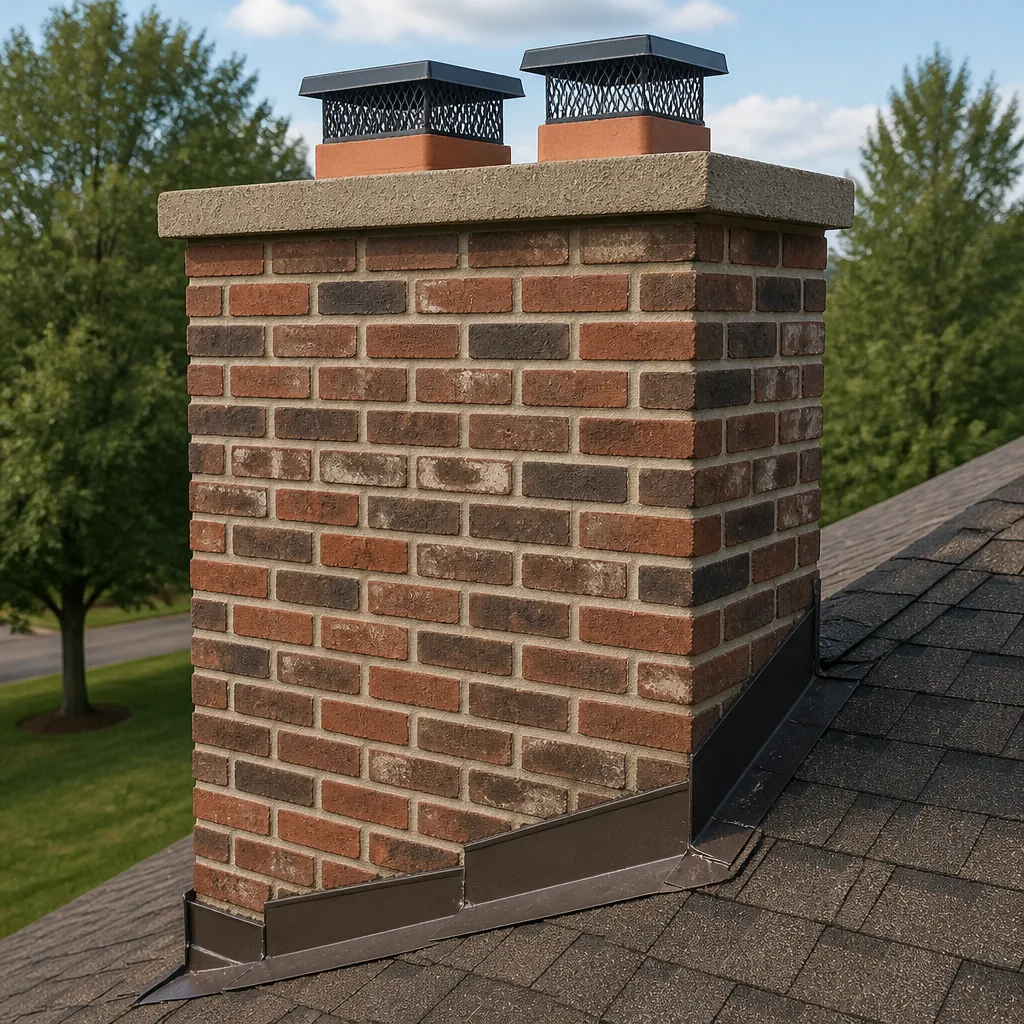 Masonry repair
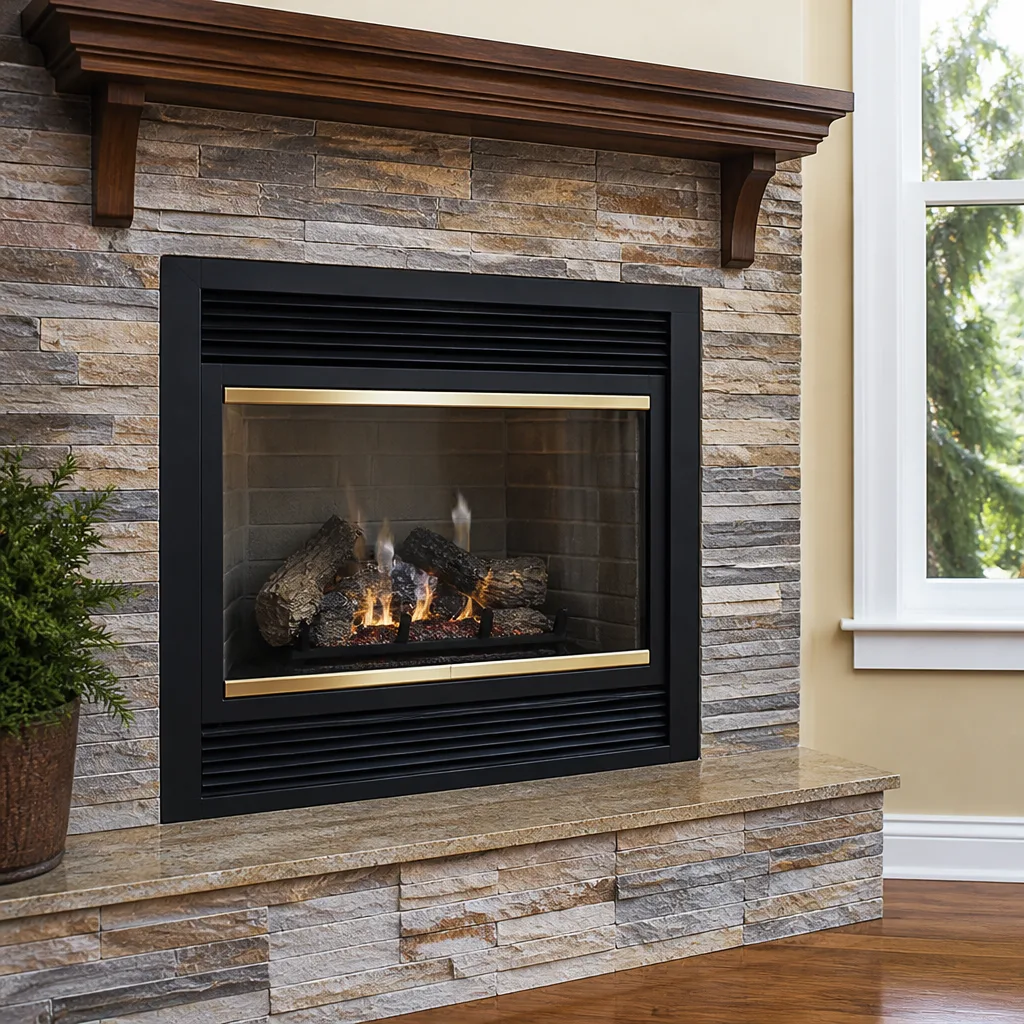 Gas fireplace service
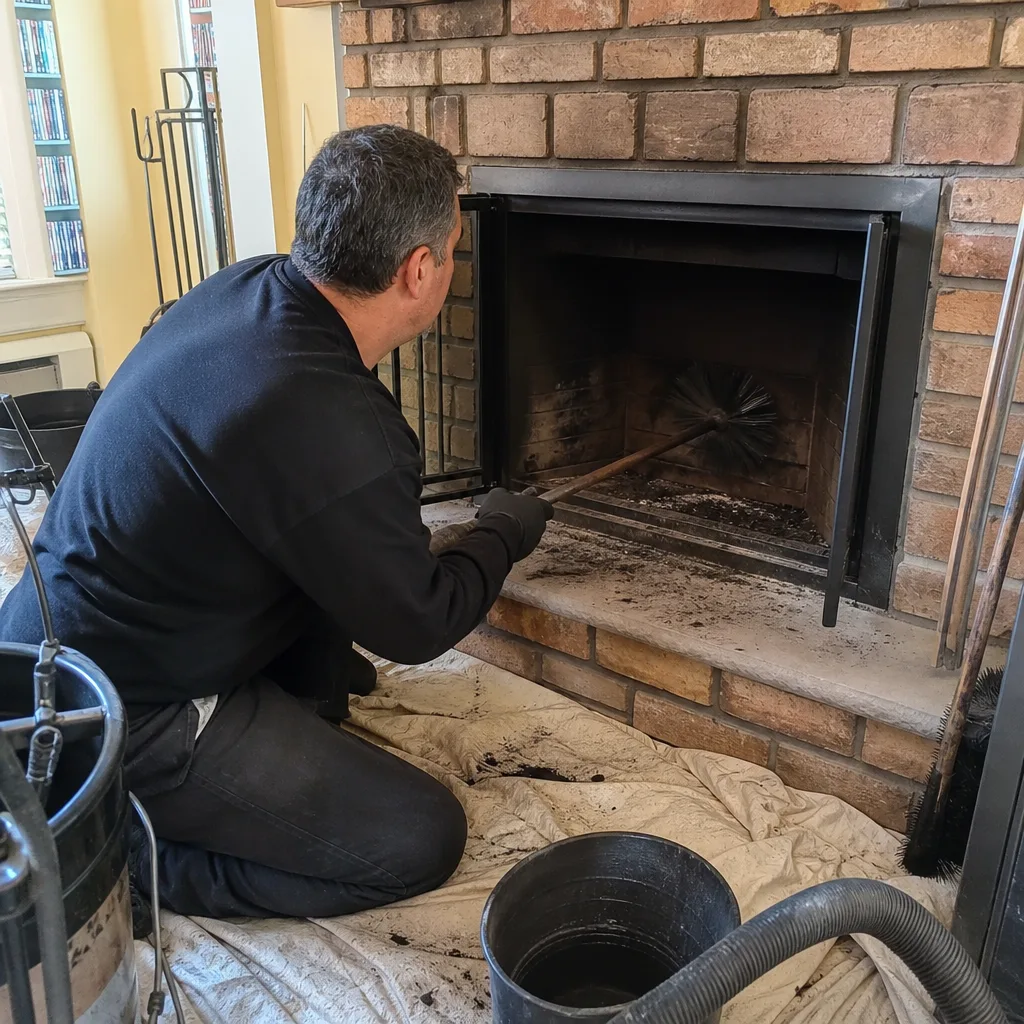
Level 1 sweep and inspection to the NFPA 211 annual standard - flue, crown, cap, and flashing checked and photographed
Chimney sweep logs do not sweep chimneys. They loosen some creosote - which then falls where a brush and vacuum still have to collect it.
Chimney Sweep Maintenance Checklist for Throggs Neck Homeowners
There’s a right order to chimney maintenance tasks, and most DIY checklists get it backwards. A homeowner works through every item on the list, feels responsible, and still misses the problem, because the visual inspection happened after the cleaning instead of before it. Once the brush has run through the flue, the creosote glaze, the cracked tile joint and the loose mortar that told you what was actually wrong are already gone, swept into a bucket. Sequence matters more than thoroughness. This guide lays out a checklist built in the order the work should actually happen, with the Throggs Neck seasonal markers, the cap and crown items generic lists skip, and a maintenance log format that holds up at a home sale or an insurance claim.
Quick Answer
A chimney maintenance checklist should run in this order: pre-cleaning inspection first, chimney sweep second, structural check of cap, crown and flashing third, then a written log of what was found. In Throggs Neck, schedule the annual service after heating season ends in spring or before the first sustained cold of late fall, and never let a cleaning happen before an inspection has documented the flue condition.
Styles & brands we work with
- Sweep & inspection
- Caps & crowns
- Flue relining
- Masonry repair
- Gas fireplace service
Table of Contents
- Step 1: The Pre-Cleaning Inspection
- Step 2: The Sweep Itself
- Throggs Neck Seasonal Timing
- Cap, Crown and Flashing: The Skipped Items
- What You Can Check Yourself Between Visits
- Keeping a Maintenance Log That Holds Up
- What Requires a Credentialed Sweep
- Common Mistakes to Avoid
Step 1: The Pre-Cleaning Inspection
The inspection comes before the brush, always. This is the item most generic checklists invert, and it’s the one that determines whether the sweep tells you anything useful. Before any cleaning begins, the technician documents the flue as it actually sits: the type and thickness of the deposit, the condition of the tile joints, any sign of a previous fire, and the state of the smoke chamber. Once the flue is swept, that record is the only evidence of what was there. Without it, a sweep can only tell you the chimney is now clean, not what it was doing before.
Here’s what a proper pre-cleaning inspection covers, in order:
- Exterior look at the crown, cap and flashing for cracks, gaps or rust-through.
- Firebox and damper check for gaps, warping or a damper that no longer seals.
- Smoke chamber and the shelf above the damper, where deposits collect out of sight.
- Flue interior, viewed with a camera where the flue allows, to record joint and liner condition.
- Draft test to confirm the flue is pulling as it should before any work begins.
In Throggs Neck, the pre-cleaning inspection matters more than usual because so many homes here are older, with flues that have been used hard across many heating seasons. The common Throggs Neck housing stock includes brick and stucco construction with original masonry flues, and the tile liners in those flues often show spalling or hairline cracks that a post-cleaning look would miss. We use the pre-cleaning inspection to decide whether the job is a routine chimney sweep or whether the flue needs a closer look first. That decision can only be made before the brush goes in.
The record from this step is also what allows us to tell you plainly when work can wait. If the flue inspects clean, we’ll say so, and you’ll have that in writing.
Step 2: The Sweep Itself
With the inspection documented, the sweep runs top-down and bottom-up, with the fireplace sealed off and a proper vacuum running so nothing drifts into the room. The sweep removes the creosote and soot that built up over the heating season. The scale of that deposit is what determines how much effort the job takes and how often you should be scheduling one. A flue burning well-seasoned hardwood produces a lighter, flakier deposit. A flue burning unseasoned or green wood, or one with restricted draft, produces a denser, glazed deposit that’s harder to remove and more of a fire risk.
What the sweep should actually accomplish:
- Remove creosote from the flue walls, the firebox and the smoke shelf.
- Clear the smoke chamber of the deposits that collect above the damper.
- Confirm the flue is unobstructed along its whole length.
- Leave the firebox and hearth clean and free of soot.
In Throggs Neck, we generally recommend one sweep per heating season for a fireplace used regularly, and a mid-season check if the fireplace is your main heat source through a cold winter. A wood-burning insert that runs hard through January and February should be checked more often than a decorative fireplace lit on occasional evenings. The sweep also gives us a second look at the flue once it’s clean, which is the point where a defect is easiest to see and easiest to photograph for your records.
If the sweep finds a problem that stops the job, we tell you before any further work happens. Nothing is recommended without camera evidence you can look at yourself. That’s the standard we hold every Throggs Neck job to, and it’s what separates a professional sweep from a generalist with a brush.
Throggs Neck Seasonal Timing
The best time to schedule chimney maintenance in Throggs Neck is after heating season ends and before the first frost of late fall. Spring, right after the last fire, is the ideal window. The flue has just finished a full season of use, so any damage is fresh and visible, and there’s no rush before the cold sets in. Late fall works too, but it’s the busy stretch, and it leaves less room if a problem turns up that needs a fix before the fireplace goes back into use.
The Bronx heating season here runs roughly from late October, when the first sustained cold arrives, into April. In practice, Throggs Neck homeowners should think about chimney maintenance in three windows:
- Late spring (May-June): the ideal time for the annual sweep and inspection, right after the last fire.
- Late summer (August-September): a good second window if you missed spring, and the best time to plan repair work so it’s done before the season starts.
- Before the first frost (late October): the deadline. A blocked or damaged flue going into heating season is the risk you don’t want to carry into winter.
Throggs Neck sits in the East Bronx, close to Long Island Sound, and the local microclimate matters for a chimney even if it doesn’t show as obvious salt damage. The freeze-thaw cycles through the Bronx winter are hard on masonry crowns and flashing, and the damp stretches around the shoreline make year-round moisture management a real concern for cap and crown work. That’s why our checklist puts cap, crown and flashing right after the sweep rather than leaving it as an afterthought. You can read the full detail on that part of the work on our chimney cap & crown page.
We answer 24/7 on the phone line. Fast dispatch from 7am to 7pm, Sunday through Friday. A call outside dispatch hours is booked into the next opening.
Cap, Crown and Flashing: The Skipped Items
Generic checklists mention a cap and stop there. In Throggs Neck, and across the Bronx, cap, crown and flashing are the items that fail most often and get skipped most often, because they sit at the top of the chimney and they’re the part a homeowner rarely sees. A failed cap or a cracked crown lets water into the masonry, and once water is inside, it finds its way down the flue and into the firebox. The repair costs climb with every season the leak goes unfixed.
What to check on the top of the chimney:
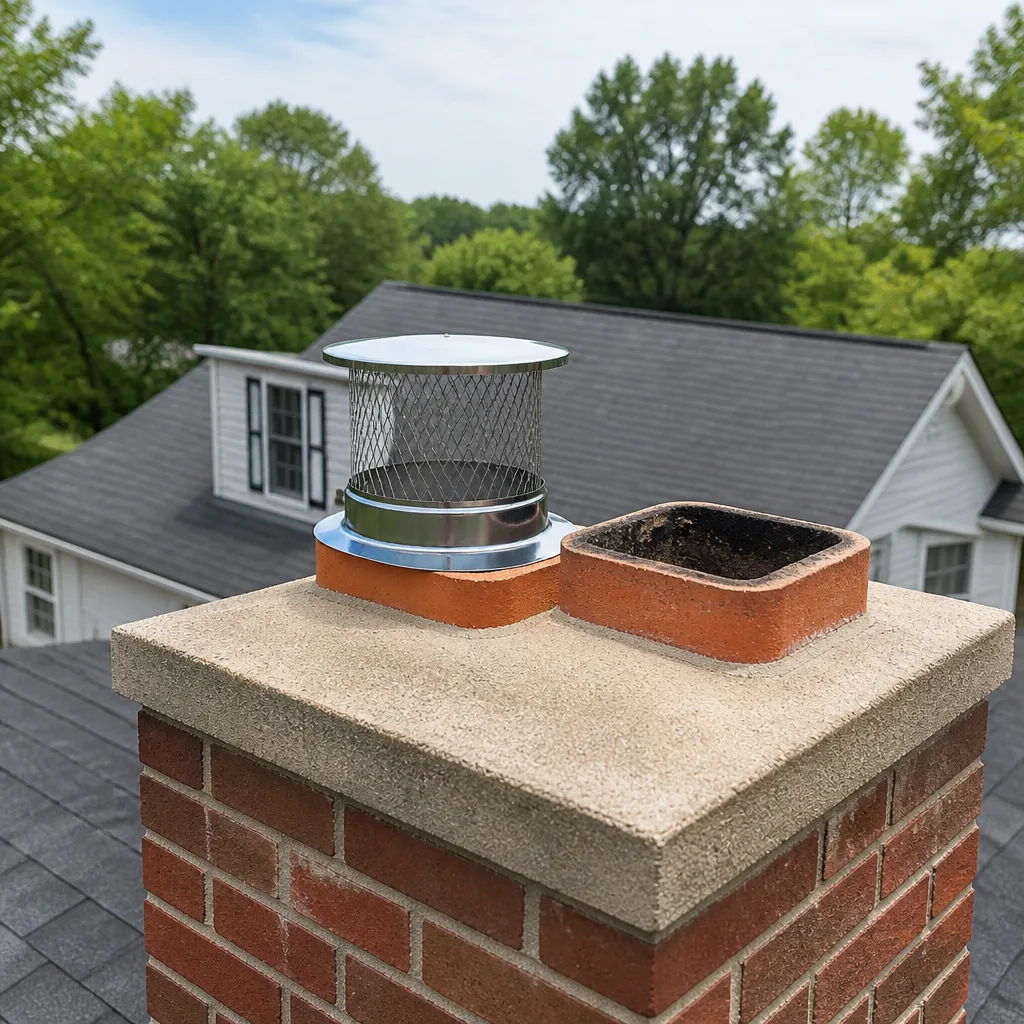
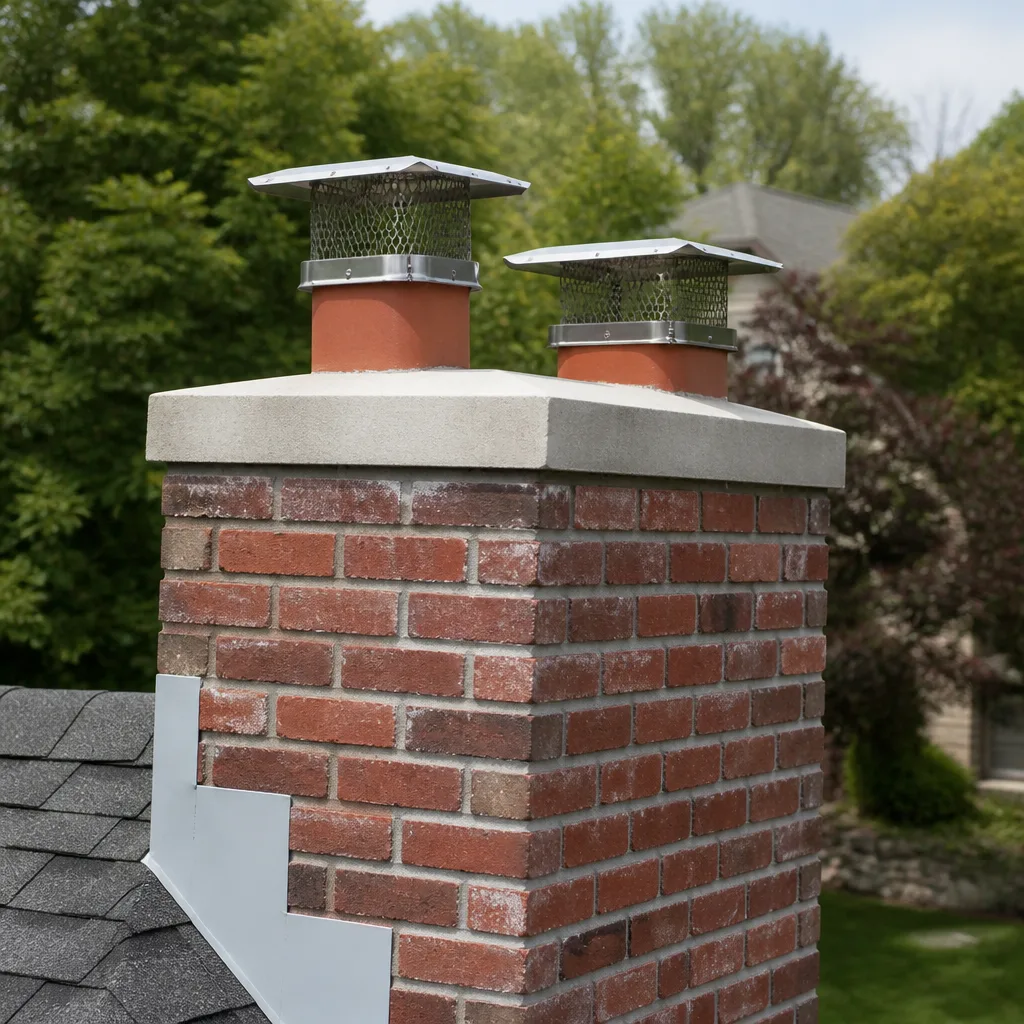
- Cap: still secured, mesh intact, no rust-through on a steel cap. A cap that’s come loose or lost its mesh lets animals and rain in.
- Crown: no hairline cracks, no spalling, and a slope that still sheds water away from the flue. A flat or cracked crown pools water at the flue.
- Flashing: the seal where the chimney meets the roof is tight, with no lifting, no gaps and no rusted step flashing.
- Bricks and mortar joints: no missing mortar, no loose bricks, no white efflorescence that signals ongoing moisture.
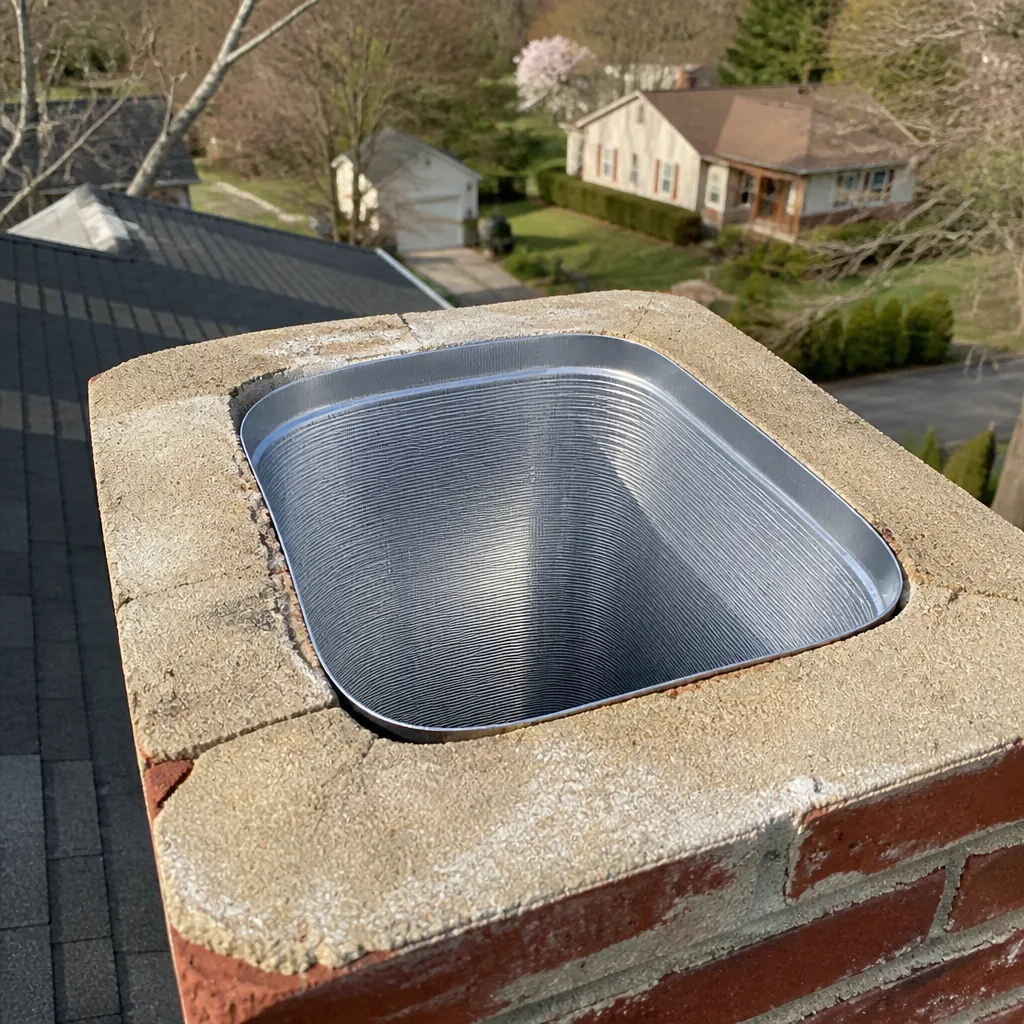
We stock Famco and Copperfield cap and damper components from chimney specialty suppliers, and we install caps sized to the flue rather than a loose-fitting universal cover. When a crown has cracked and spalled, we assess whether a coating repair will hold or whether the crown needs a rebuild. For flues with interior damage, HeatShield resurfacing is a repair-tier option that can restore a cracked or spalled flue short of pulling the whole liner, and we’ll tell you honestly whether your chimney actually needs it or doesn’t. The goal on every Throggs Neck job is to stop the water where it starts, and that starts at the top of the stack.
What You Can Check Yourself Between Visits
Between professional visits, there’s a useful set of checks a homeowner can legitimately do without any tools or training. They’re all visual or sensory: what you can see, smell and hear. They complement the annual sweep and they catch a change early, which is the whole point. What they don’t replace is the interior flue inspection, and it’s important to be clear about the line between the two.
Checks a homeowner can do safely:
- Look up the flue from the firebox with a flashlight when the fireplace is cold and clean, and note anything that looks like a change since last season.
- Check the firebox and damper for visible cracks, gaps or a damper that won’t open fully.
- Smell for smoke backing into the room when a fire is first lit, a sign draft is compromised.
- Look at the chimney cap from the ground with binoculars, for a missing mesh or a cap that’s come loose.
- Listen for animals in the flue, especially in spring and fall.
- Check that the carbon monoxide alarm on each floor is working, since a compromised flue can affect indoor air.
In Throggs Neck, the smoke smell check is a practical early signal. If a fire used to draw cleanly and now smokes back, that’s a change worth a call before the next heating season. The binocular look at the cap is also worth doing each fall, because a cap that’s lost its mesh is a common cause of a blocked flue. If you see missing mortar or loose bricks on the stack, don’t go up on the roof yourself. Roof access on a Throggs Neck home is a height hazard, and that part of the checklist belongs to us.
What you can’t check is the inside of the flue along its full length, and that’s where the real information lives. A camera inspection is the only reliable way to see a cracked tile, a spalled liner, or a heavy glazed deposit before it becomes a problem.
Keeping a Maintenance Log That Holds Up
A maintenance log is only useful if it’s in the right format. Two situations in New York make this matter beyond routine record-keeping: an insurance claim after a chimney fire, and the disclosure packet at a home sale. In both cases, a homeowner wants to show a documented history of routine inspection and maintenance, and a stack of receipts with no descriptions doesn’t do that. A proper log has dated entries, a description of the work, the findings, and photos.
What a maintenance log should record for each visit:
- The date of the inspection and sweep.
- What was found in the pre-cleaning inspection, in plain language (deposit level, flue condition, any defects).
- Photos: before and after the sweep, and any defect found.
- The sweep and cleaning performed, and by whom.
- Any repair work done or recommended, with the materials used.
- The next recommended service date.
For a Throggs Neck home, a log kept this way gives you something concrete at a sale, when a buyer’s inspector asks about the chimney, and at a claim, when an insurer wants to see that the chimney was maintained. Photos of the flue interior from each inspection are the strongest item on the list, because they show condition at a point in time that a description alone can’t. It’s also useful to keep the manufacturer and product name for any cap, damper or liner component installed, since a claim or a later repair may need to match it.
Our job reports are written to fit this format, with dated findings and photos. If you’ve bought a Throggs Neck home with no chimney history, the first inspection becomes the baseline for the log, and every visit after that builds a documented record from that point on.
What Requires a Credentialed Sweep
There’s a clear line between the visual checks a homeowner can do and the work that requires a professional sweep. The line sits at anything that involves the inside of the flue, the interior of the smoke chamber, or physical work on the chimney structure. Below that line is yours. Above it, a trained technician with the right tools and the right insurance handles the job.
What requires a credentialed sweep:
- Cleaning the flue: a proper sweep needs the right brushes and a sealed vacuum, and the work puts a person in contact with soot and creosote. This is not a homeowner task.
- Camera inspection of the flue: recording the interior condition needs a camera and a trained eye to read what it sees.
- Anything on the roof: cap, crown, flashing and brickwork are all height work on a pitched roof, which is a fall hazard.
- Liner work: any repair or replacement to the flue interior is specialist work. HeatShield resurfacing and DuraFlex flexible liner installation are both trades in their own right.
- Firebox and fireplace repairs: work on the firebox and damper must be done to the fire code, and that’s a credentialed job.
In Throggs Neck, we’ve seen how quickly a flue that vented fine one season can turn into a problem the next. The reasons are often a small change that went unnoticed, a hairline crack that opened through a freeze-thaw winter, or a glazed deposit that built up over one hard season. A visual check catches the obvious; the camera inspection catches the rest. Our technicians have up to 13 years of experience, and every job is a chimney job, not an add-on to a general contracting business. That focus is what lets us tell a genuine defect from an item that can safely wait.
Nothing is recommended without evidence you can see. If a cleaning turns up a problem, the camera photos come with the recommendation. You can read about our chimney repair work for the structural side of the trade.
Common Mistakes to Avoid
Most of the mistakes on a chimney checklist share one cause: doing the tasks in the wrong order, or skipping the top of the stack. In Throggs Neck, the housing stock and the local winters make some of these mistakes more costly than they’d be elsewhere. Here’s what to avoid.
- Inspecting after the cleaning instead of before. Once the brush runs, the evidence of what was wrong in the flue is gone. The inspection has to come first, or the sweep can only tell you the chimney is now clean, not what it was doing.
- Skipping the cap and crown check because “the sweep looked fine.” A sweep of the flue doesn’t tell you anything about the crown or flashing, and in a Throggs Neck home those are the items that fail most often. They need their own look.
- Burning unseasoned or green wood all season. It builds a denser, glazed creosote that’s harder to remove and a bigger fire risk. Seasoned hardwood burns cleaner and is easier on the flue.
- Waiting until the first cold snap to book. That’s the busy season in the Bronx, and a problem found then has no room to be fixed before the fireplace goes back into use.
- Keeping no record. A home sale or an insurance claim both demand a documented history. Receipts without descriptions and photos don’t tell the story.
- Tightening the flue with a mesh cap and calling it done. A cap needs to be sized to the flue and secured properly. A loose universal cap that blows off in a Bronx winter takes the mesh with it and lets water and animals straight in.
- Going up on the roof to check it yourself. Roof access on a pitched roof is a fall hazard, and the crown, flashing and brickwork checks belong with a trained technician who can also document what they find.
Each of these is fixable, and the fix is a checklist in the right order. The Chimney Sweep Throggs Neck page lays out the full range of the work if you want an overview of the trade before you book.
See the difference
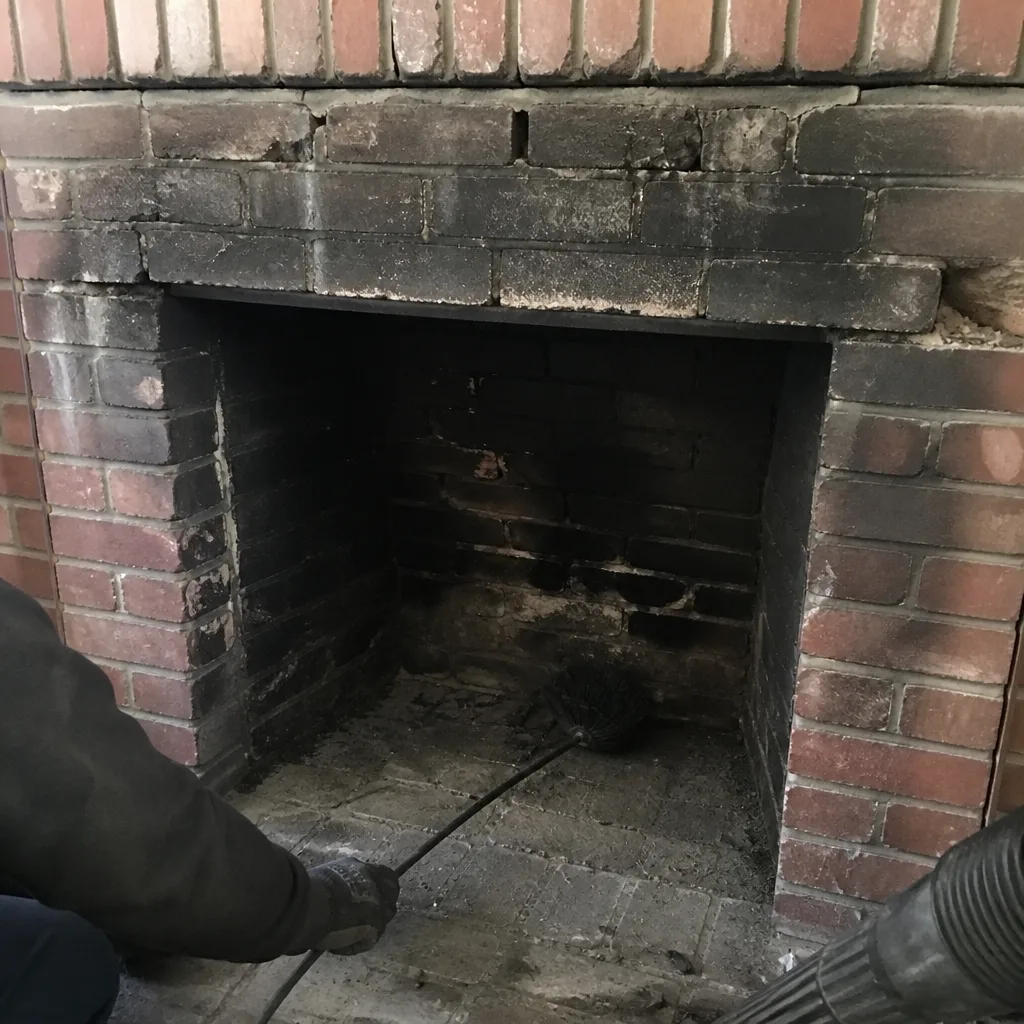 Before
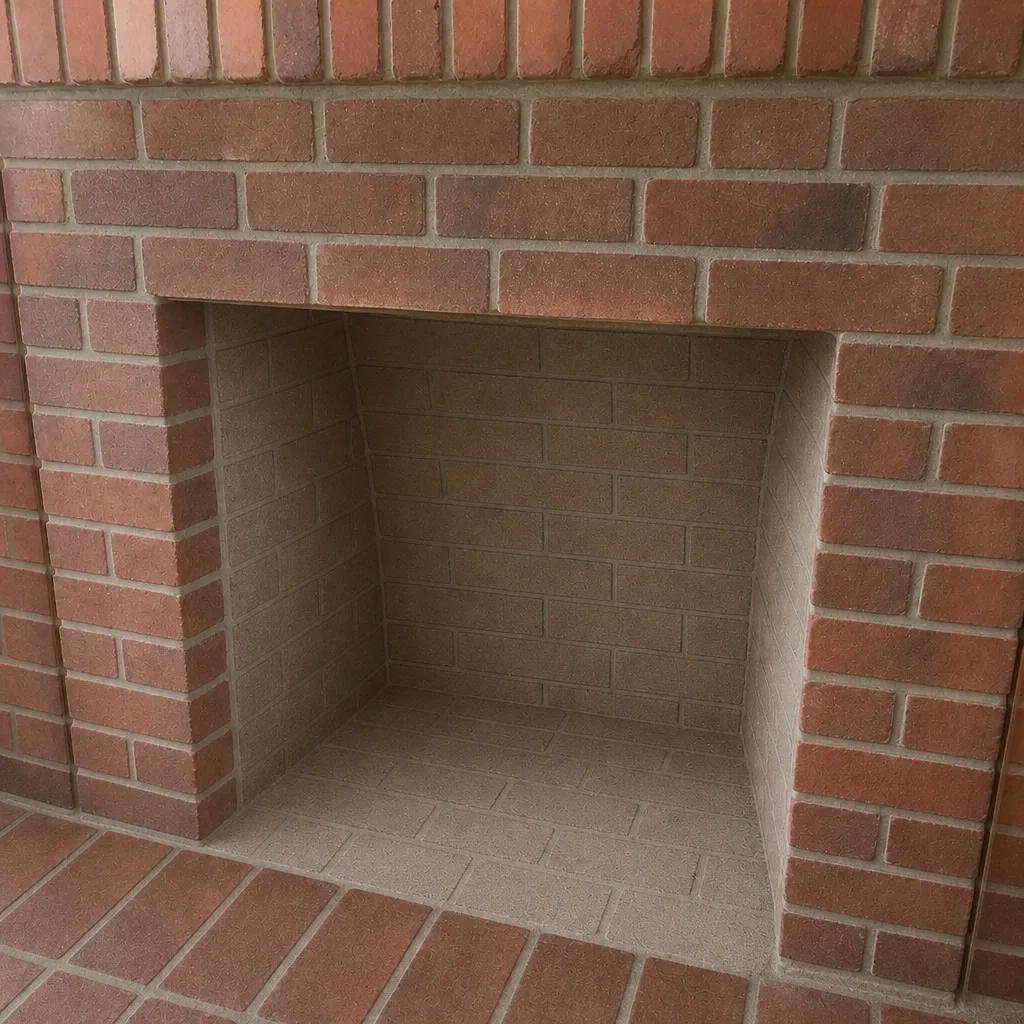 After
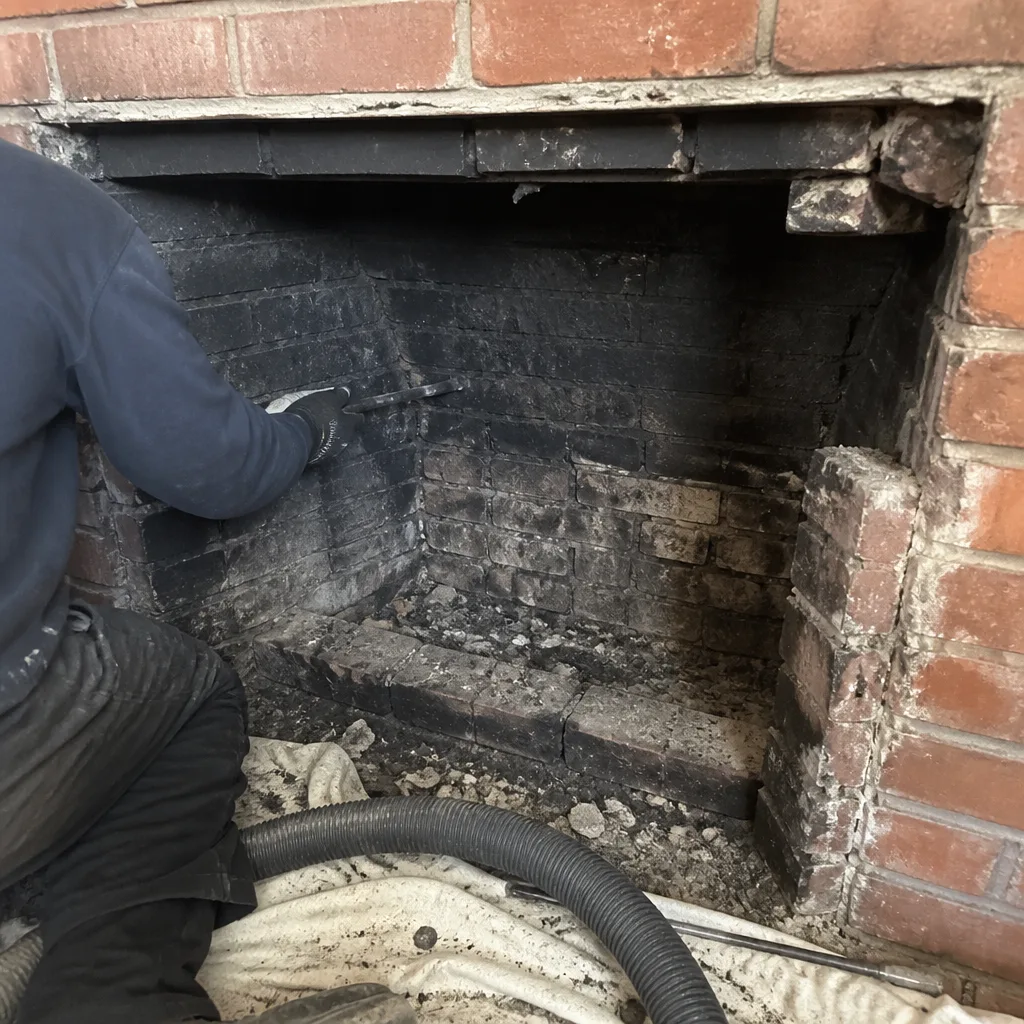 Before
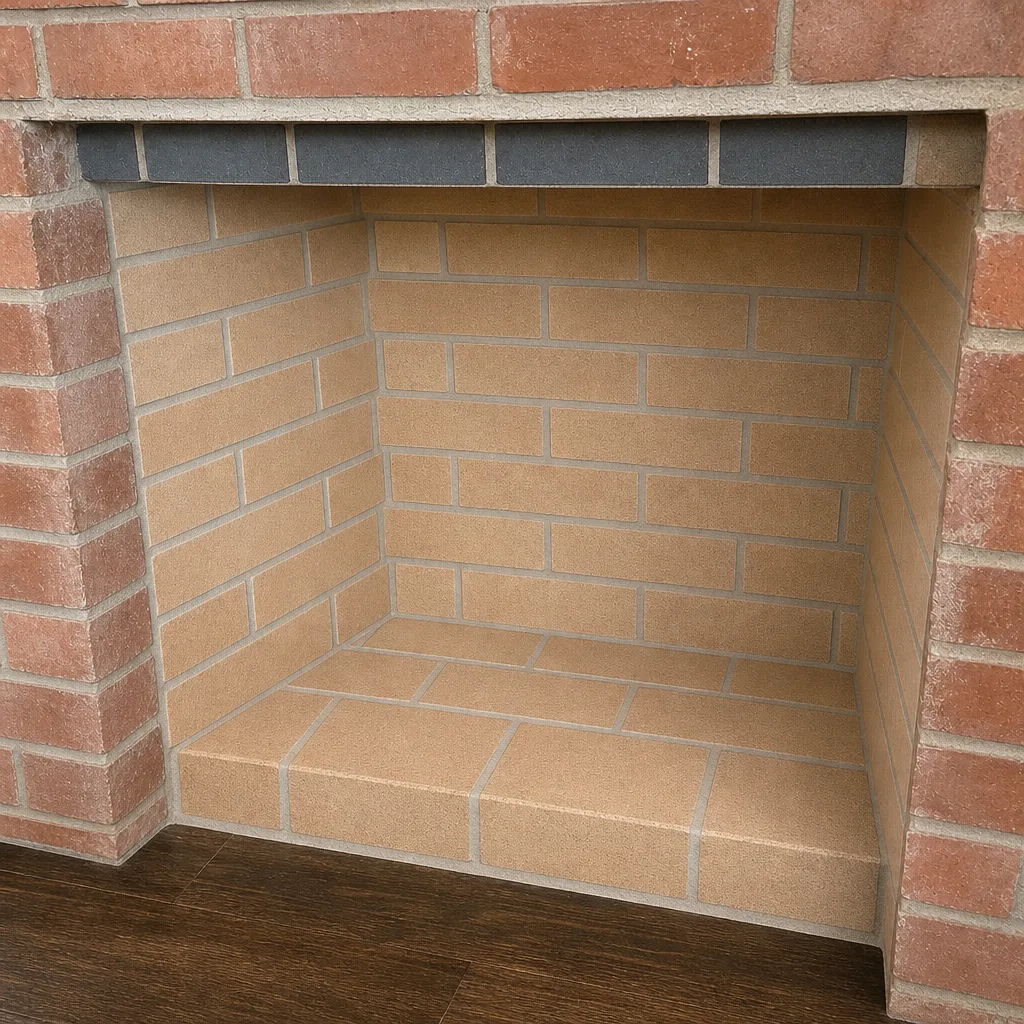 After
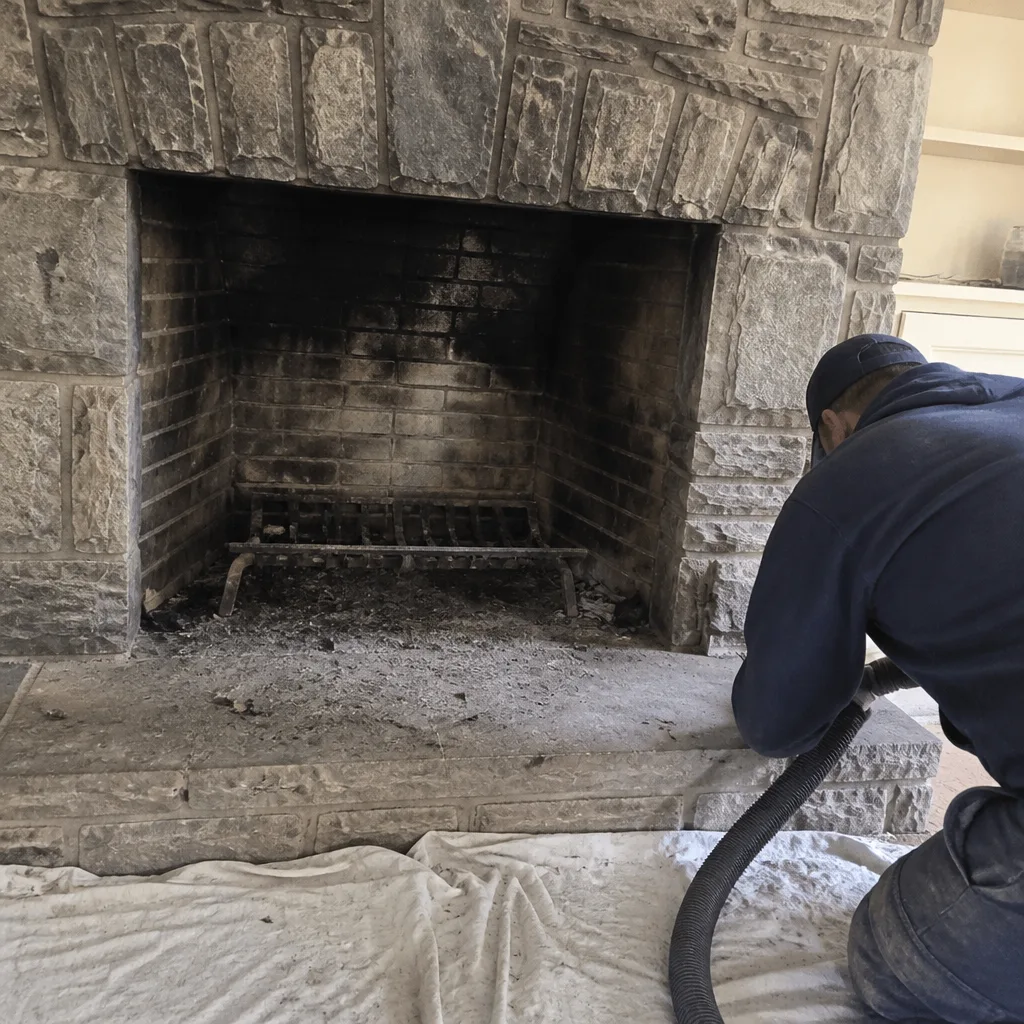 Before
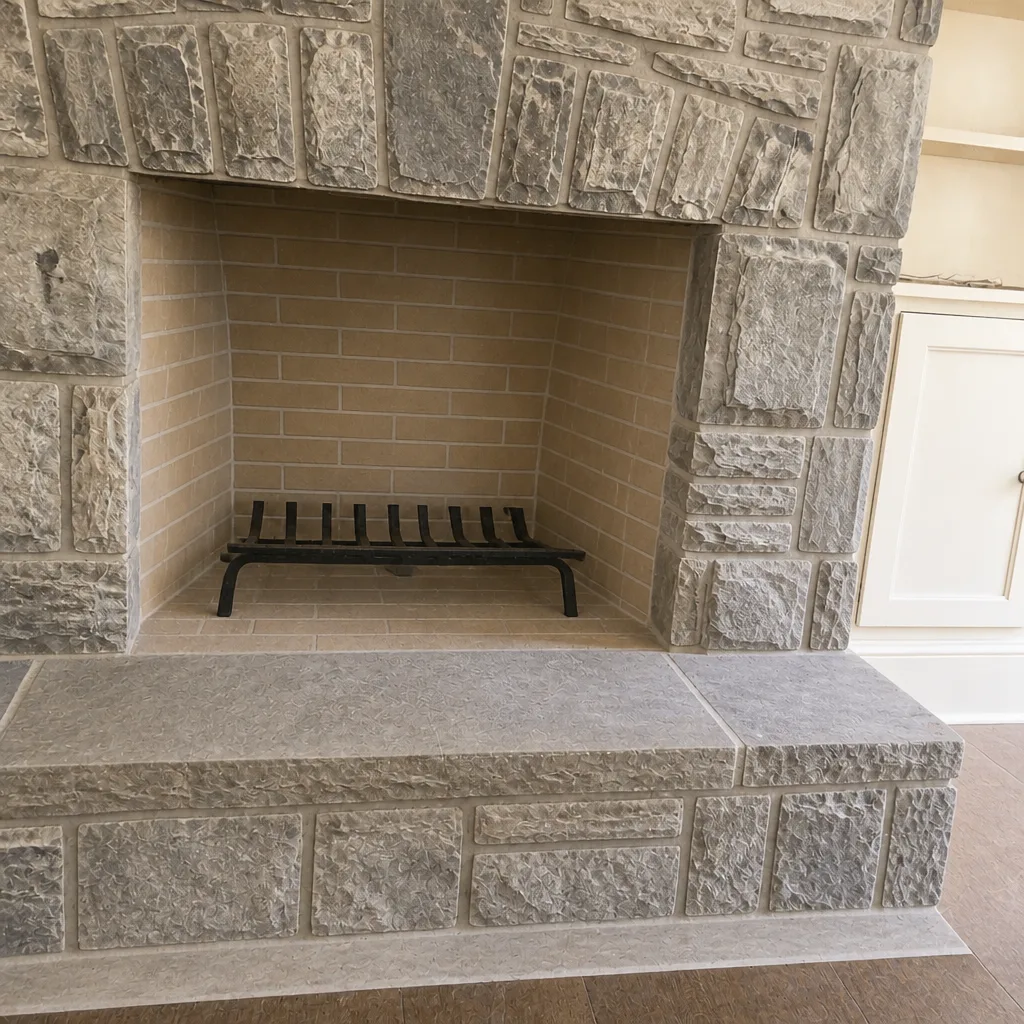 After
When to Call a Professional
Some situations call for a professional sweep right away, not at the next scheduled visit. Call if you see smoke backing into the room when a fire is lit and it didn’t happen before; if you smell a strong, sharp odor from the fireplace even when it’s not burning, which can signal a heavy creosote deposit; if you see cracked or missing mortar, loose bricks or a crown that’s crumbling; if a chimney cap has come loose or lost its mesh; if you hear animals in the flue; or if it’s simply been a full heating season since the last inspection and sweep. In Throggs Neck, the safest habit is to book the annual sweep in late spring or before the first frost, so the season starts with a flue that’s been checked and documented. Chimney Sweep Throggs Neck offers free estimates in Throggs Neck, so call (833) 513-8531 to book one. We answer 24/7. Fast dispatch from 7am to 7pm, Sunday through Friday.
Frequently Asked Questions
Once per heating season for a fireplace used regularly, and more often for a wood-burning insert that runs hard through the winter. For most Throggs Neck homes, the annual sweep fits best in late spring, after the last fire, with a backup window in late summer before the first frost. Call (833) 513-8531 for an exact quote and to schedule; estimates are free.
Not always, and that’s a conclusion that needs evidence before it’s reached. A cracked or spalled flue may be a candidate for HeatShield resurfacing instead of a full liner replacement, and an irregular or aged flue may need a DuraFlex flexible liner where a rigid one won’t fit. We’ll show you the camera footage and tell you which option your chimney actually needs, and if the work can safely wait, we’ll say so. Call (833) 513-8531 for an inspection.
Because the sweep removes the evidence the inspection needs. The pre-cleaning inspection documents the flue condition, the deposit type and any defects before anything is disturbed, and that record tells you what was actually wrong. Do it after the cleaning and you only know the chimney is now clean, not what it was doing. Call (833) 513-8531 to book an inspection-first sweep.
Visual and sensory checks only: look up the flue from the firebox with a flashlight when it’s cold, check the firebox and damper for cracks, smell for smoke backing in when a fire is lit, look at the cap from the ground with binoculars, listen for animals, and confirm the carbon monoxide alarms work. Anything inside the flue, on the roof, or in the firebox itself requires a credentialed sweep. Call (833) 513-8531 for the professional side.
Keep dated entries with a plain-language description of the findings, before-and-after photos of the sweep, any defects found, the repairs and materials used, and the next service date. In New York, that format is what a home sale disclosure or an insurance claim needs, and photos of the flue interior from each inspection are the strongest item. Call (833) 513-8531 if you’re starting the record from scratch.
Creosote builds up faster than most homeowners expect, and a glazed deposit left in place through another heating season is a fire risk and harder to remove later. A skipped season also means a small crown crack or a loose cap goes unchecked through a Bronx freeze-thaw winter, when water does the most damage. A sweep is easier than the repair. Call (833) 513-8531 to book before the next heating season.
The Bottom Line
A chimney maintenance checklist works only if it’s in the right order: pre-cleaning inspection, sweep, cap and crown, and a written log. In Throggs Neck, schedule the annual service in late spring or before the first frost in late October, and don’t skip the top of the stack, because the cap, crown and flashing are where the water gets in. Between visits, do the visual checks you can do safely, and leave the flue, the roof and the firebox to a credentialed sweep. Keep a record with photos and plain descriptions, and it will stand up at a sale or a claim. Everything else is a phone call away.
Chimney Sweep Throggs Neck handles every stage of the work, from the routine sweep and inspection through cap and crown, fireplace repair and structural repair, with professional-grade materials from brands like DuraFlex, HeatShield, Gelco and Olympia Chimney. We’re a chimney specialist, not a general contractor with a brush. Call (833) 513-8531 for a free estimate. We answer 24/7. Fast dispatch from 7am to 7pm, Sunday through Friday.
Written by the team at Chimney Sweep Throggs Neck.