
Last updated November 25, 2026
 Sweep & inspection
 Caps & crowns
 Flue relining
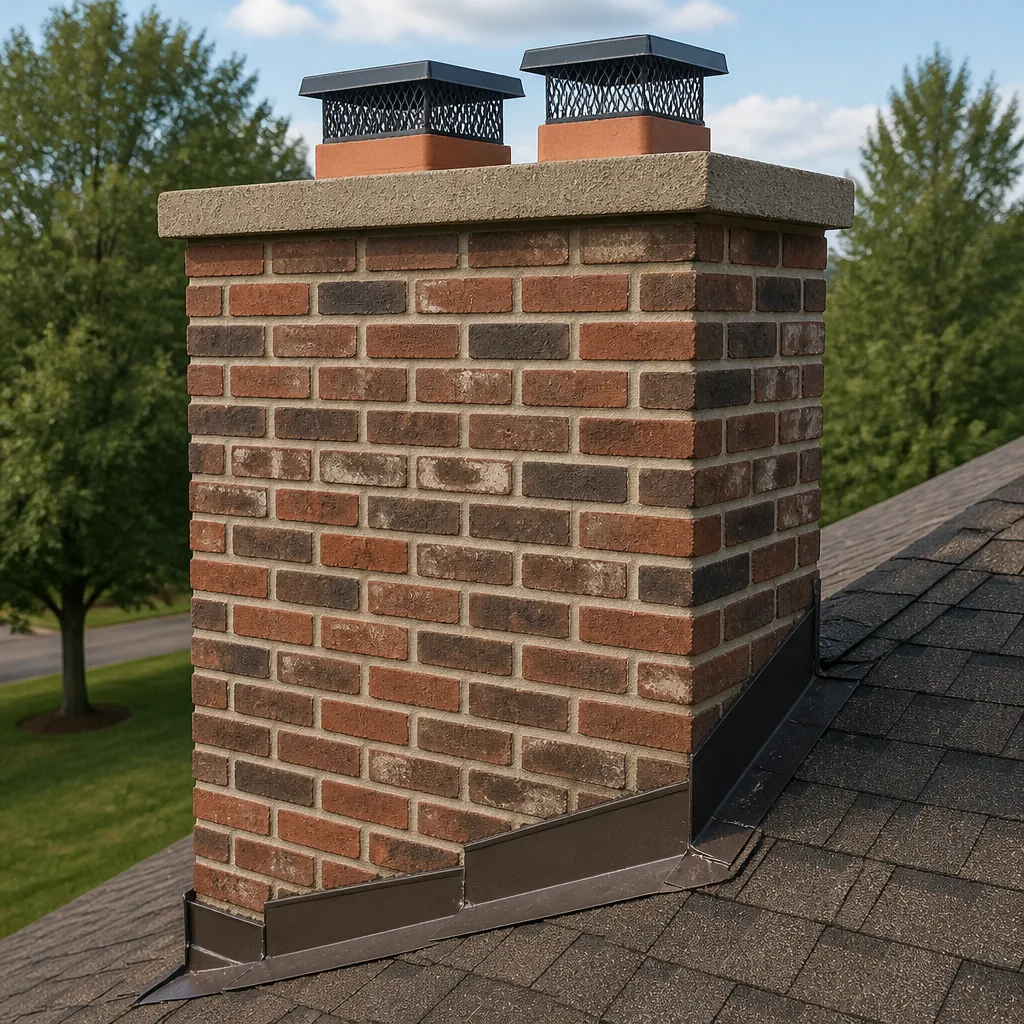 Masonry repair
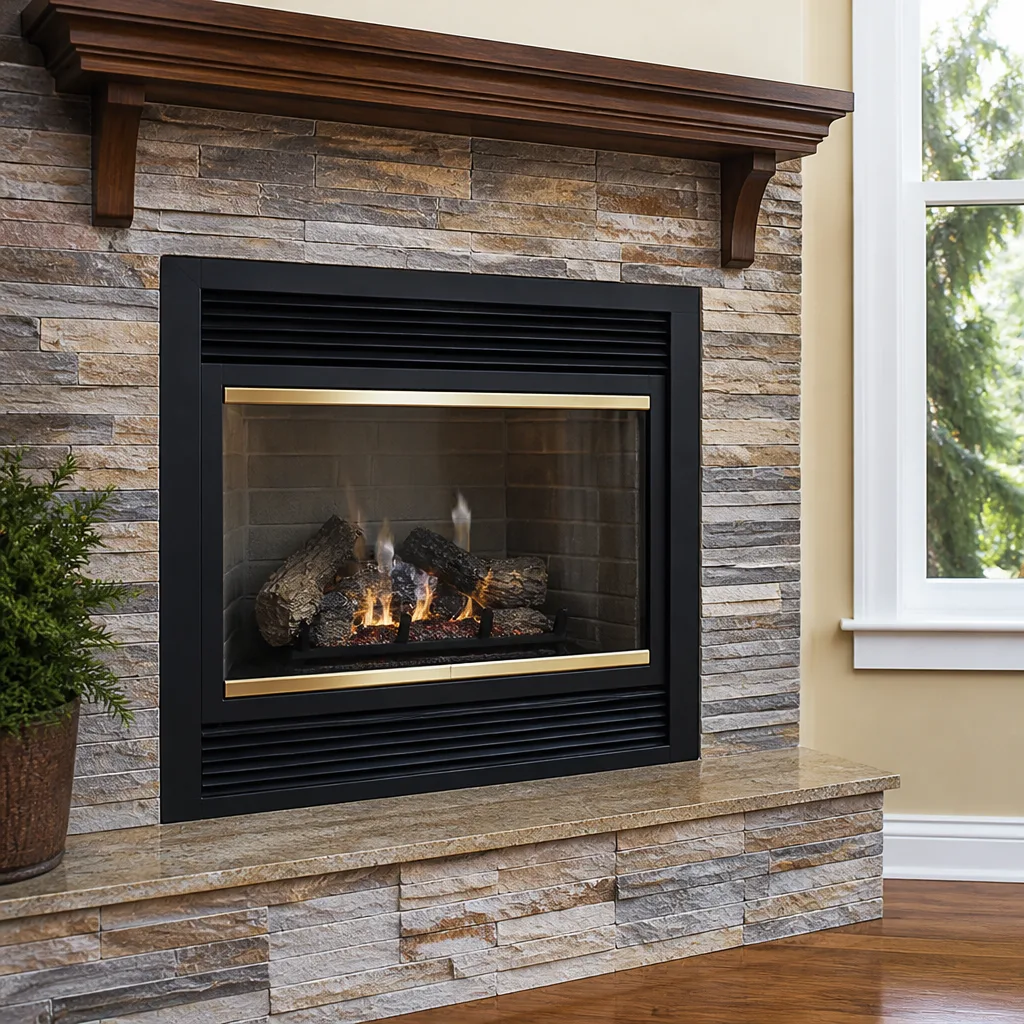 Gas fireplace service
Level 1 sweep and inspection to the NFPA 211 annual standard - flue, crown, cap, and flashing checked and photographed
Chimney sweep logs do not sweep chimneys. They loosen some creosote - which then falls where a brush and vacuum still have to collect it.
Chimney Cleaning Permits, Codes & Inspections in Throggs Neck, NY: What You Need to Know
A chimney cleaning doesn’t need a permit. A new stainless liner absolutely does. The line between the two is where Throggs Neck homeowners most often get caught out. Most people assume chimney work is chimney work, so a sweep and a rebuild must be governed the same way. They aren’t. Routine maintenance sits outside the permit system almost entirely, while anything that changes the structure or function of a flue is regulated work under the New York City Building Code, with paperwork, an inspection, and a record that follows the house. This guide walks through where that line falls, how the NYC Department of Buildings treats chimney work in the Bronx, what a Level 2 inspection report actually does for your insurance file, and why an unpermitted repair can turn into a closing-day problem years later.
Quick Answer
Routine chimney sweeping in Throggs Neck needs no permit, because cleaning is maintenance and maintenance is not construction. Anything that alters the chimney, including a new liner, a crown rebuild, a flue modification, or repairs to the structure itself, is regulated work under the New York City Building Code and generally requires a Department of Buildings permit pulled by a licensed contractor. Inspections follow the technical standard in NFPA 211, and a Level 2 report is what insurers and buyers ask to see.
Styles & brands we work with
- Sweep & inspection
- Caps & crowns
- Flue relining
- Masonry repair
- Gas fireplace service
Table of Contents
- Where chimney maintenance ends and a permit begins
- How the NYC Department of Buildings handles chimney work in the Bronx
- NFPA 211 as the standard, and how it meets local code
- What a Level 2 inspection report means for your insurance
- After a chimney fire: what insurers actually require
- Unpermitted chimney work, title searches, and closing
- Throggs Neck housing stock and the inspection it needs
- A step-by-step walkthrough of a compliant chimney project
Where chimney maintenance ends and a permit begins
The threshold is simpler than it sounds: if the work changes the chimney as a system, it’s an alteration, and alterations in New York City generally need a permit. If it removes soot, glaze, or creosote without touching the physical structure, it’s maintenance, and no filing is involved.
What sits on the maintenance side:
- A standard sweep, including rod-and-brush work on the flue and the firebox.
- A Level 1 inspection, which is a visual check of readily accessible parts.
- Replacing a cap that’s already there, provided the connection to the flue isn’t altered.
What crosses into permitted territory:
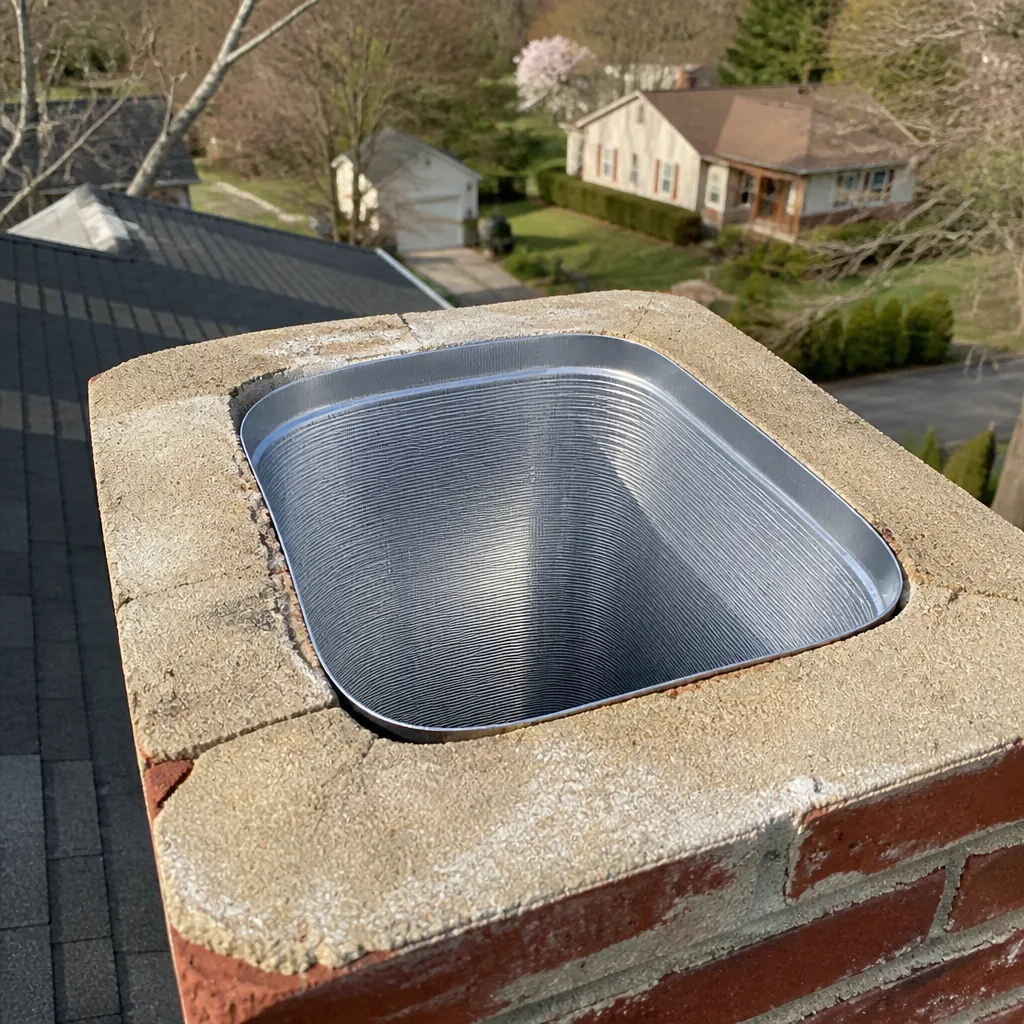
- Installing a new stainless liner, or relining an old flue with a flexible system such as DuraFlex.
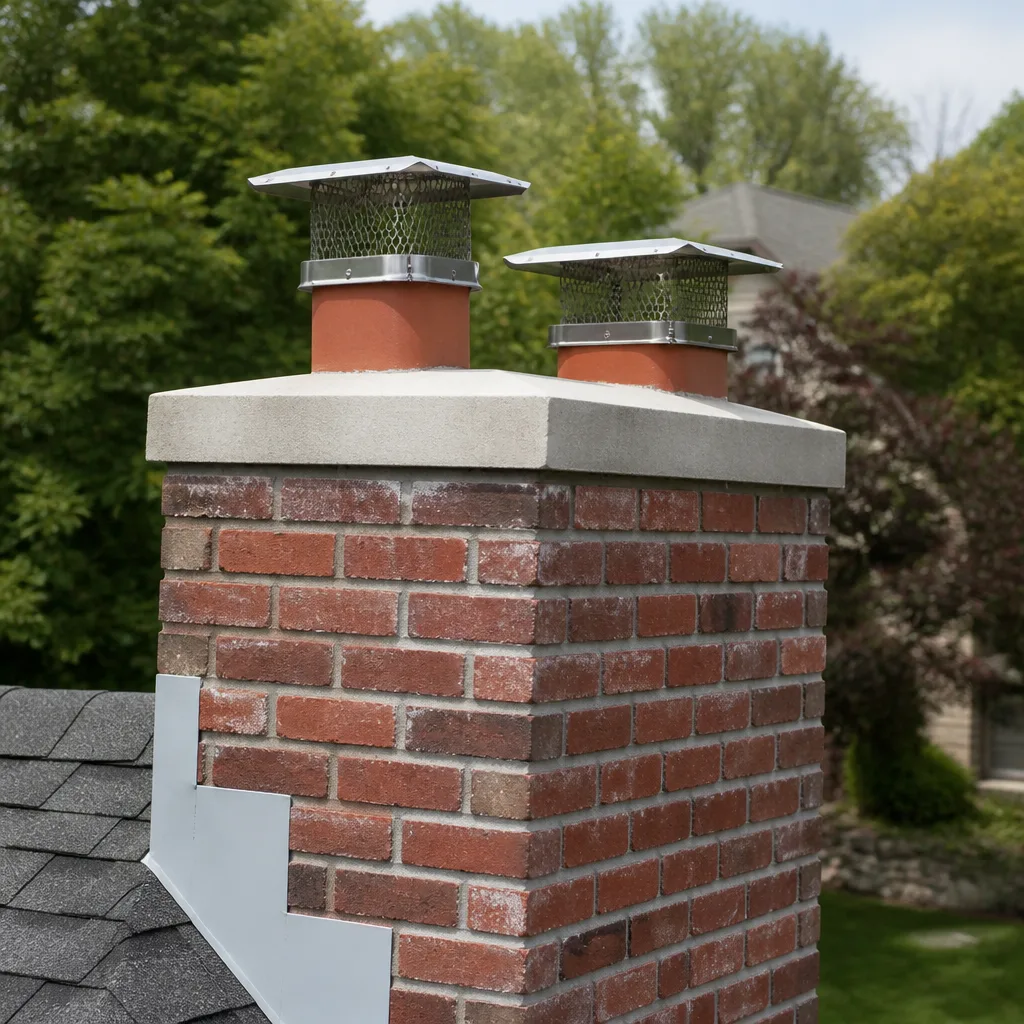
- Rebuilding a crown or repairing the chimney’s external structure.
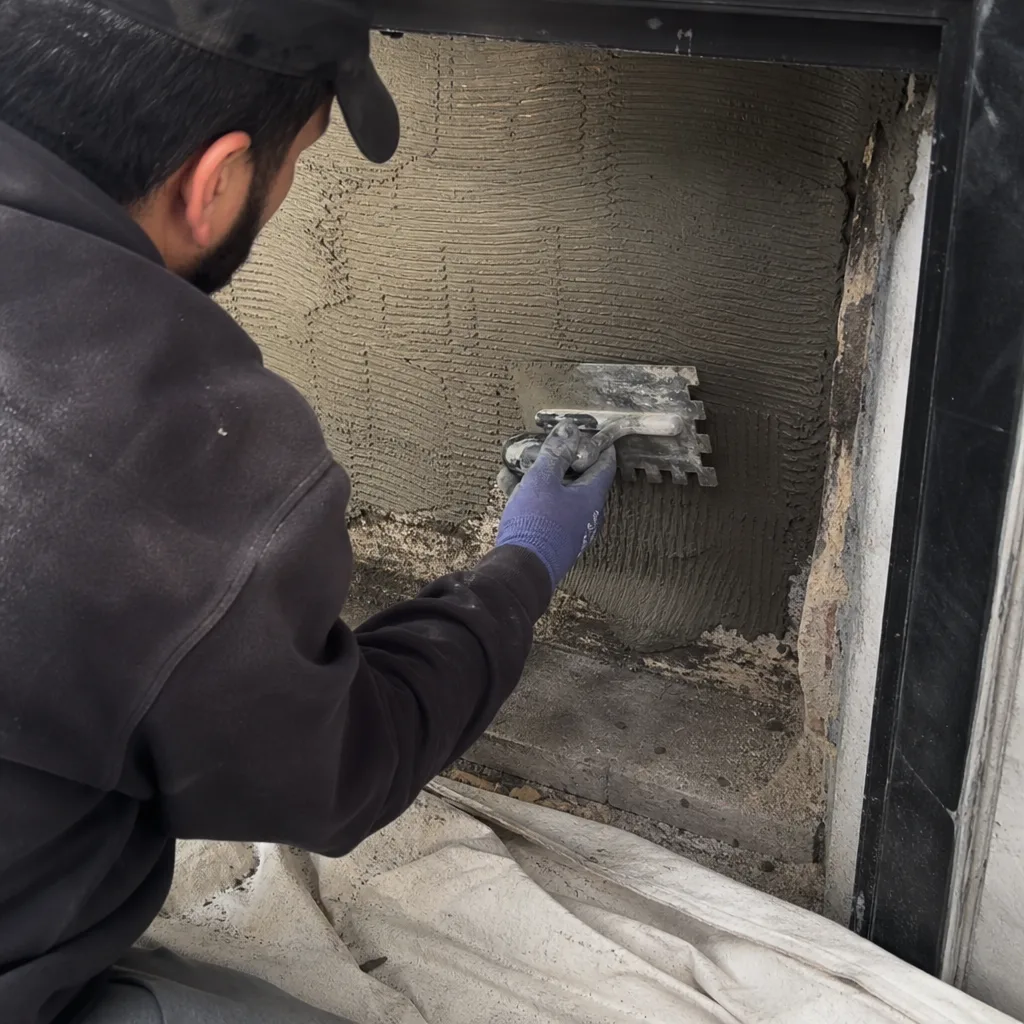
- Resurfacing a damaged flue interior with a system like HeatShield, because it re-establishes the flue’s function and is a repair rather than a cleaning.
- Changing the flue’s size, routing, or appliance connection, including adding or replacing a wood stove or insert.
In our experience, the confusion lands squarely on the third item. A homeowner gets a sweep, hears the flue is spalled or cracked, and gets talked into a resurfacing job by someone who never mentions a permit. The work may even be fine. The problem is that nothing is on record, and an unrecorded structural repair to a chimney causes trouble in two places: an insurance claim, and a future sale. In Throggs Neck, where a lot of the housing is older and the flues have been serving fireplaces for many decades, the gap between “it works” and “it’s documented” is exactly where people get surprised.
How the NYC Department of Buildings handles chimney work in the Bronx
Chimney work falls under the jurisdiction of the NYC Department of Buildings, not a separate chimney authority, and in the Bronx that means the borough office processes the filings and inspection requests like any other construction paperwork. Throggs Neck sits in the Bronx, so the paperwork routes through the Bronx borough office rather than Manhattan or Brooklyn.
What that means in practice:
- The permit is filed by a licensed contractor, not the homeowner. A sweep working without a license cannot pull it. This is the single most common reason a cheap liner job has no paperwork behind it.
- Filing happens before the work. A contractor who installs a liner and then offers to “file it after” is telling you the sequence is wrong.
- The work gets inspected after installation. The filing generates an inspection requirement. You want the inspection passed and the record closed, not the job left with a permit that sits open.
- Scheduling depends on the borough’s workload. Inspection timing is set by the department, not by your contractor’s calendar. Expect a gap between the work and the sign-off, and don’t be alarmed by it.
We’ve learned to set that expectation before a project starts, because a homeowner who’s been told the filing will take a few weeks is a homeowner who isn’t calling us in a panic at week three. The same applies to any chimney repair that touches structure: ask for the permit number and the filing contractor’s name before the first day of work, not after. If a contractor can’t produce either, you’ve learned something important about the job before it costs you anything.
NFPA 211 as the standard, and how it meets local code
NFPA 211, the standard for chimneys, fireplaces, vents, and solid fuel appliances, is the document a sweep actually works to. It’s not New York law in itself, but the NYC code relies on recognized standards for the technical detail, and NFPA 211 is the one that governs chimney inspection levels, clearances, and what counts as a defect.
Where it matters most:
- Inspection levels. NFPA 211 defines three. Level 1 is a visual check of accessible parts. Level 2 adds a video scan of the flue interior and is required after a chimney fire, after an event likely to cause damage, on a change of occupancy, and when an appliance is added. Level 3 opens concealed areas and is rare in a routine residential setting.
- Clearances. Clearance to combustibles is a code concept that NFPA 211 spells out. A flue that’s too close to framing is a defect regardless of how well it drafts.
- Defect criteria. Cracked tiles, gaps at joints, spalled masonry, and failed mortar joints are defined defects, not opinions. That matters when an insurer asks why work was recommended.
The practical value here is that the report you receive should reference the standard rather than just describing what the technician saw. When we do a chimney sweep, the findings we hand over are written to those categories so they read the same way to your insurance company, your buyer’s inspector, and a future contractor. The Chimney Sweep Throggs Neck team treats NFPA 211 as the working language of every report, not a document cited on a marketing page and forgotten on the job.
What a Level 2 inspection report means for your insurance
A Level 2 inspection report is the document most insurers want, and it’s the one you already have if you’ve had a video scan of the flue. It records the condition of the flue interior with images, identifies defects against the standard, and gives an insurer or a buyer something concrete to underwrite or object to.
What should be in it:
- Photographs or video stills from inside the flue, not just a description.
- Notes on the flue lining, the joints, the crown, the cap, and the firebox.
- Clearance observations where they’re accessible.
- A plain-language summary of what’s a defect now, what’s a watch item, and what can safely wait.
What insurers actually do with it varies by carrier and by policy, and we won’t pretend to speak for every underwriter. But the pattern is consistent: a policyholder who can produce a recent Level 2 report showing a sound, lined flue has a straightforward conversation, and a policyholder with no report and a visible defect has a harder one. After a chimney fire, that gap widens considerably, and we’ll come to it next.
One thing worth saying plainly, because it’s the hesitation we hear most in Throggs Neck: nothing in our reports gets recommended without camera evidence you can look at yourself. If the flue is sound, you’ll get that in writing too. Plenty of the chimneys we inspect don’t need a thing beyond a sweep, and telling a homeowner that is a normal part of the job.
After a chimney fire: what insurers actually require
After a chimney fire, insurers generally require documentation that the chimney has been inspected and returned to safe condition before a claim is settled, and in practice that means a Level 2 inspection with video evidence and a written report of the work done. A verbal “it’s fine now” doesn’t clear a claim.
The sequence we walk homeowners through:
- Call the fire department if there’s any question it’s still burning. A chimney fire can burn quietly and reignite. This isn’t a call to us first.
- Don’t use the fireplace or the appliance until the flue has been inspected. A fire can crack tiles and open joints without obvious exterior signs.
- Get the Level 2 inspection and keep the report. You’ll send it to your insurer, and you’ll want a copy for your own file.
- Have the necessary repair documented. If the flue needs resurfacing or relining, the permit and the inspection record are part of the evidence package.
- Submit the paperwork together. A report, a scope of work, and a permit filing tell a clearer story than any one of them alone.
The reason to think about this before a fire, not after, is that carbon monoxide is the quieter hazard in a damaged flue. A cracked liner lets combustion gases into the chimney structure and potentially into the house rather than up and out. That’s not a scare tactic, it’s the reason the inspection standard treats a defect as a defect the moment it’s found.
Unpermitted chimney work, title searches, and closing
Unpermitted chimney work tends to surface at exactly the wrong moment: the home sale. It shows up when a title search or a buyer’s inspector digs into the property record and finds work with no permit behind it, and then the closing stalls while everyone works out who fixes it.
How it usually plays out:
- A buyer’s inspector notes a newer liner or a rebuilt crown.
- The title search finds no filing for it.
- The buyer’s attorney asks for proof of permit or a remediation plan.
- The seller either produces the paperwork, pays to have the work inspected and legalized where possible, or concedes on price.
The cost of remediating it before closing isn’t just the fee for the remediation. It’s the inspection to establish what was actually done, any correction needed if the work was done wrong, the filing, and the time pressure of a closing date that doesn’t move. In Throggs Neck, where a lot of the property has changed hands more than once, work from a prior owner is exactly the kind nobody can document. If you’re buying a house with a fireplace, ask for a recent Level 2 report and the permit history before you’re past your inspection contingency. If you’re selling, get the paperwork in order early. A chimney cap & crown job done properly comes with a record; one done off the books comes with a question.
Throggs Neck housing stock and the inspection it needs
Throggs Neck’s housing runs from older single-family homes with original masonry chimneys to postwar houses where the fireplace was updated at some point and the flue lining may not match what’s connected to it. The result is that no two chimneys here need the same inspection.
What a sweep should be checking in a house of this age and type:
- The original lining. Clay tile liners from decades past crack and spall, and a camera scan is the only honest way to see it.
- The appliance connection. A modern insert vented into an older flue is a common setup here, and the flue often wasn’t sized for it.
- The crown. New York weather cycles through freeze and thaw, and a crown that’s cracked lets water into the chimney structure. Water damage is the slow leak in this story, not smoke.
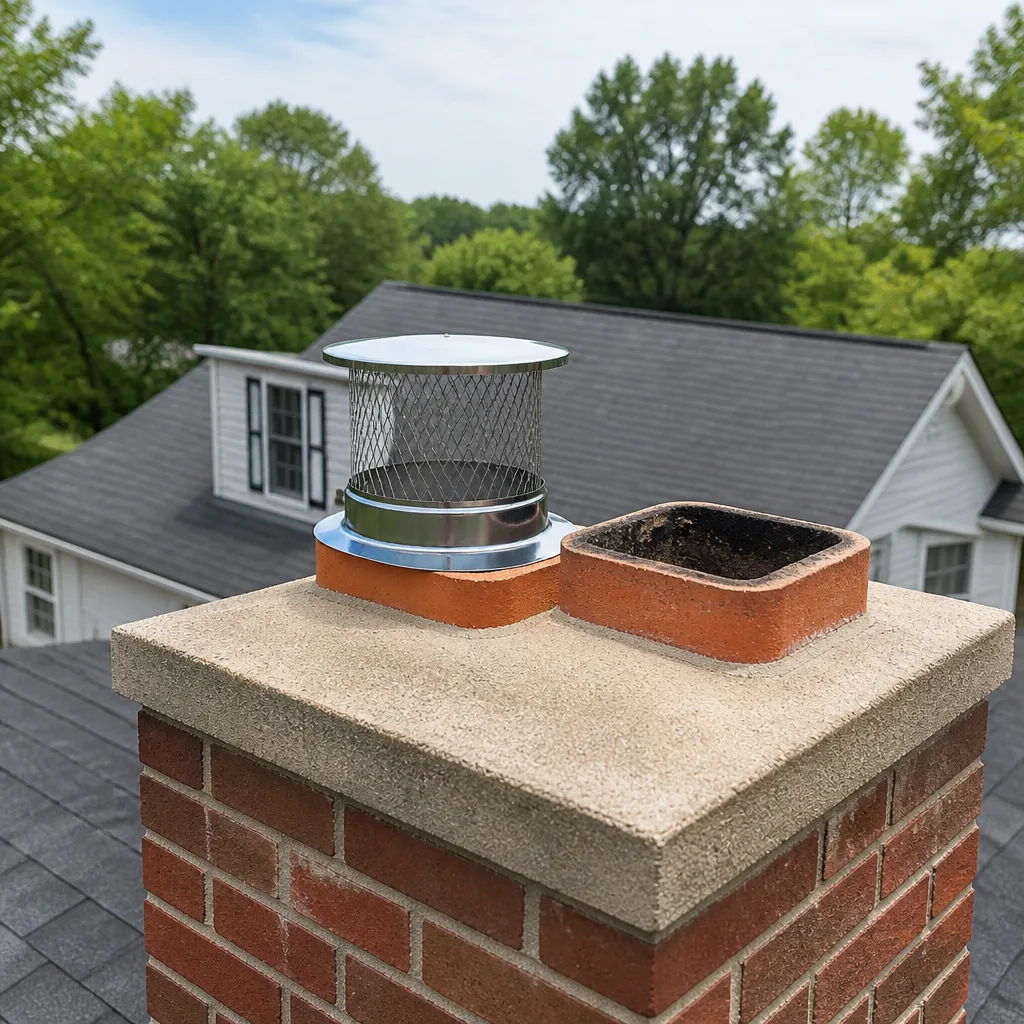
- The cap. A missing or damaged cap lets rain and animals in, which is a nest-and-debris problem that turns into a draft problem.
- The exterior masonry. Spalled brick and failed mortar joints are visible from the ground and cost little to catch early.
What we won’t do is recommend a liner on the strength of a glance up the flue. Throggs Neck chimneys deserve the video scan, and the homeowner deserves to watch the footage. When a flue is sound, we say so. When it needs a HeatShield resurfacing to re-establish the interior rather than a full reline, we say that too, because those are different jobs at different prices and only one of them is the right answer for a given flue.
A step-by-step walkthrough of a compliant chimney project
If a chimney is going to need structural work, here’s the sequence that keeps it clean on the record.
- Start with a sweep and an inspection. Establish the condition before anyone quotes a repair. You can’t scope a liner from the outside of the chimney.
- Get the findings in writing with images. A Level 2 report with video evidence is the document everything else hangs on.
- Confirm whether the recommended work is an alteration. If it is, a permit is required, and the licensed contractor doing the work files it.
- Ask for the permit number and the filing contractor before work begins. No number, no start date.
- Have the work done to the standard. A liner, a crown, or a resurfacing job should be executed to NFPA 211 criteria, with materials from a chimney-industry supplier rather than a general building stock. DuraFlex and Olympia Chimney liner systems, Famco caps and dampers, Copperfield components, and HeatShield resurfacing systems are all part of the working vocabulary of a chimney specialist.
- Get the inspection passed and the record closed. An open permit is a problem waiting for a sale.
- Keep every document together. Report, permit, inspection sign-off, and warranty information in one file. It’s worth more than the photographs on your phone.
That’s the whole discipline of it. Nothing exotic. The failures don’t come from bad workmanship so much as from a step skipped in the sequence, usually step four.
Common Mistakes to Avoid
- Assuming a sweep will tell you about permits. A cleaning contractor isn’t required to mention that the liner they’re installing needs a filing. Ask the question directly before the work is scoped.
- Treating a resurfacing job as maintenance. HeatShield resurfacing re-establishes a damaged flue interior, which is a repair, and repairs that alter the flue are permitted work.
- Skipping the Level 2 report because the flue “looks fine” from below. A flue is the one part of the fireplace you can’t see, and the visible portion tells you almost nothing about the interior.
- Buying a Throggs Neck house with a fireplace without asking for the permit history. Work from a prior owner is the most common source of undocumented chimney repair, and it surfaces after your contingency window closes.
- Letting a contractor file the permit after the job. Filing follows approval and precedes work. A permit pulled after installation is a problem dressed as paperwork.
- Leaving an open permit behind when you sell. An open filing on the record will stall a closing, and closing dates don’t wait for a borough inspection queue.
- Assuming the insurance company will accept a verbal report. Carriers want the written inspection with images. If a chimney fire happens, that document is what clears the claim.
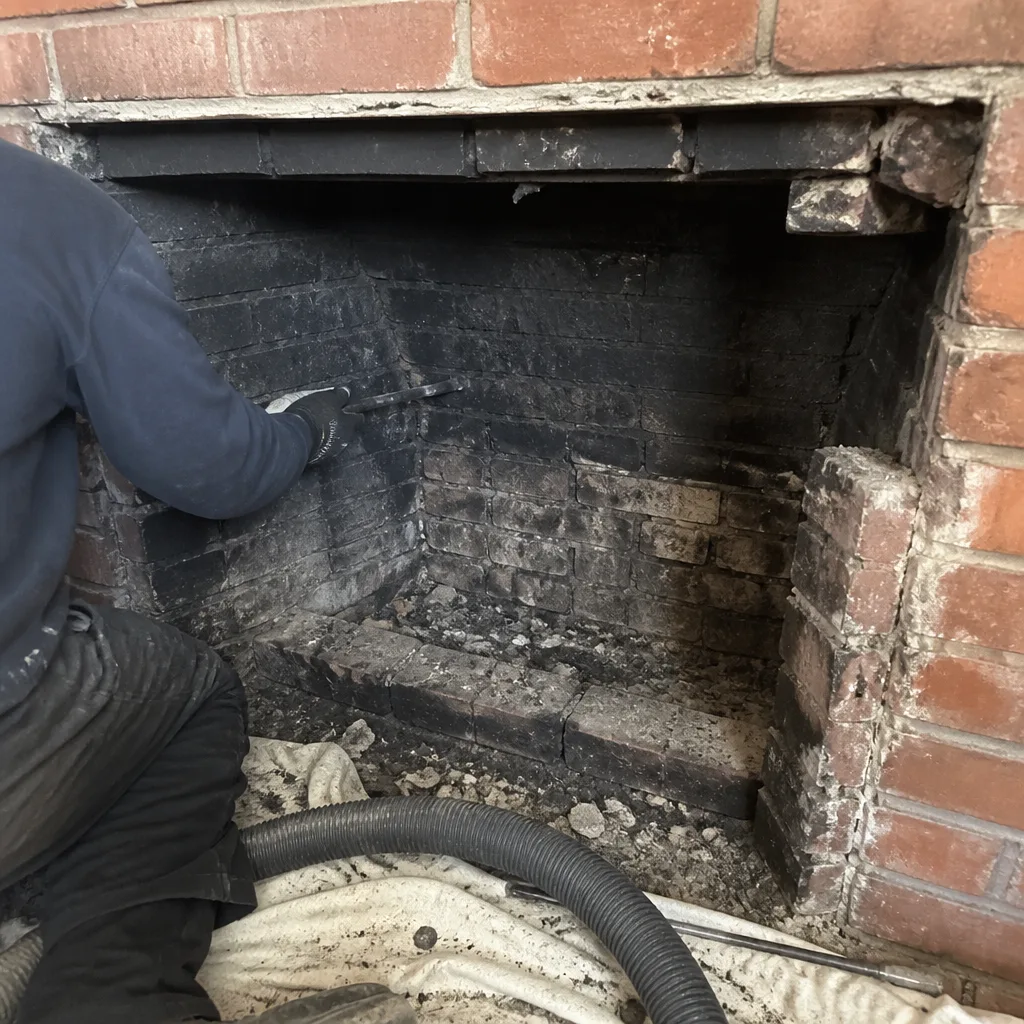
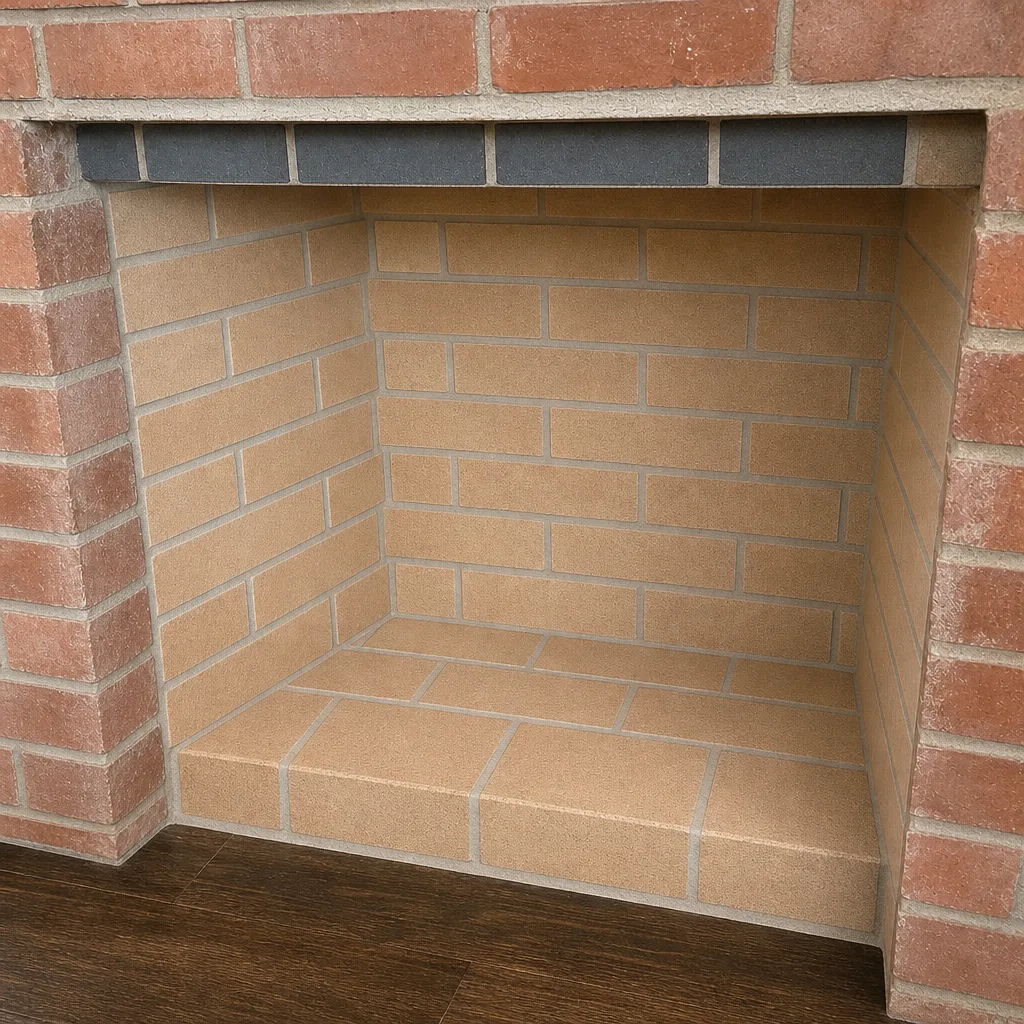
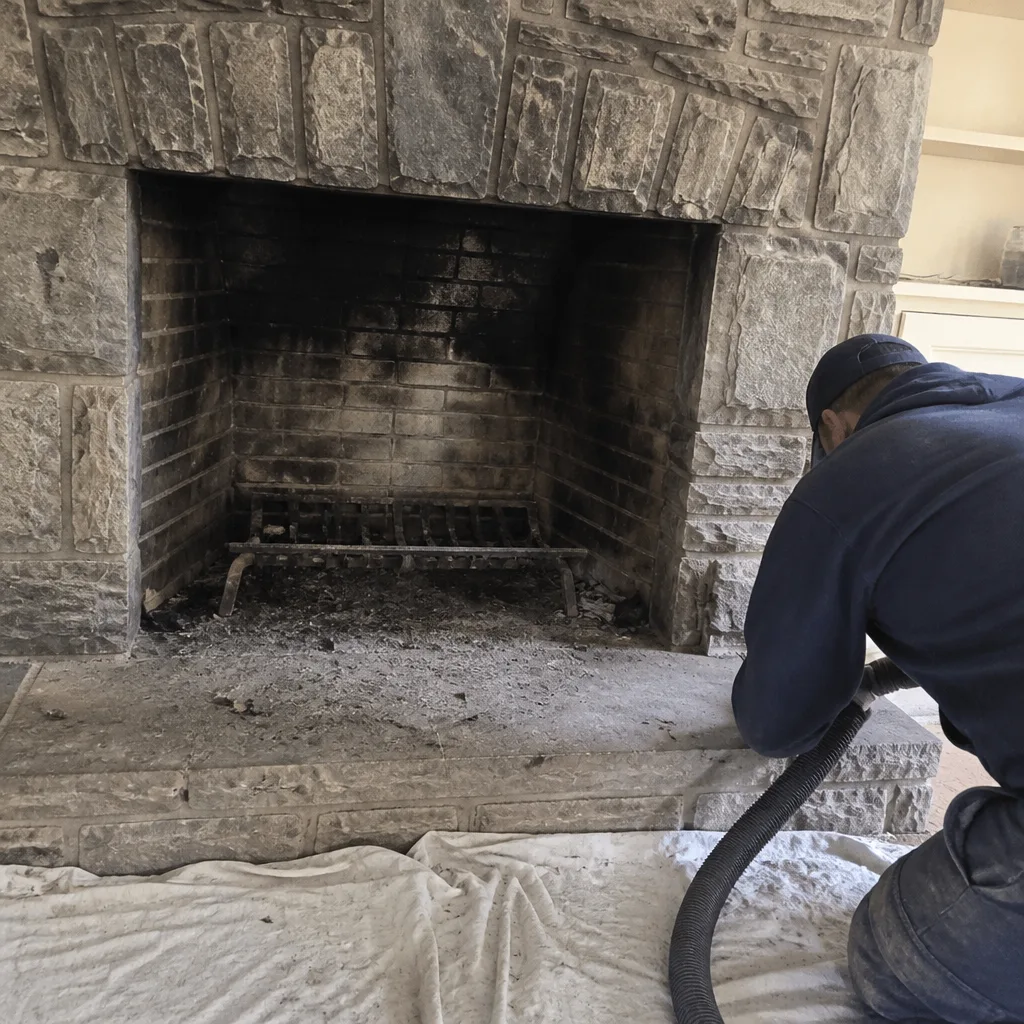
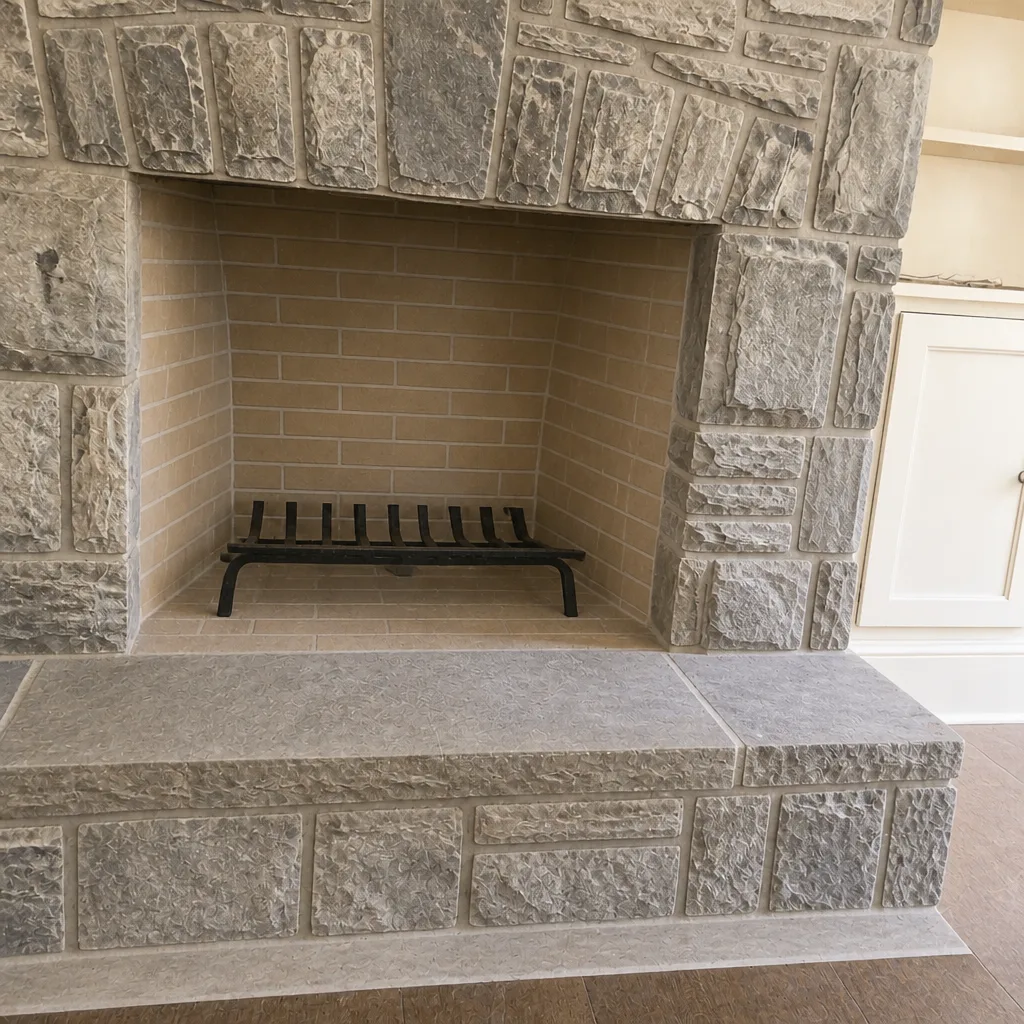
See the difference
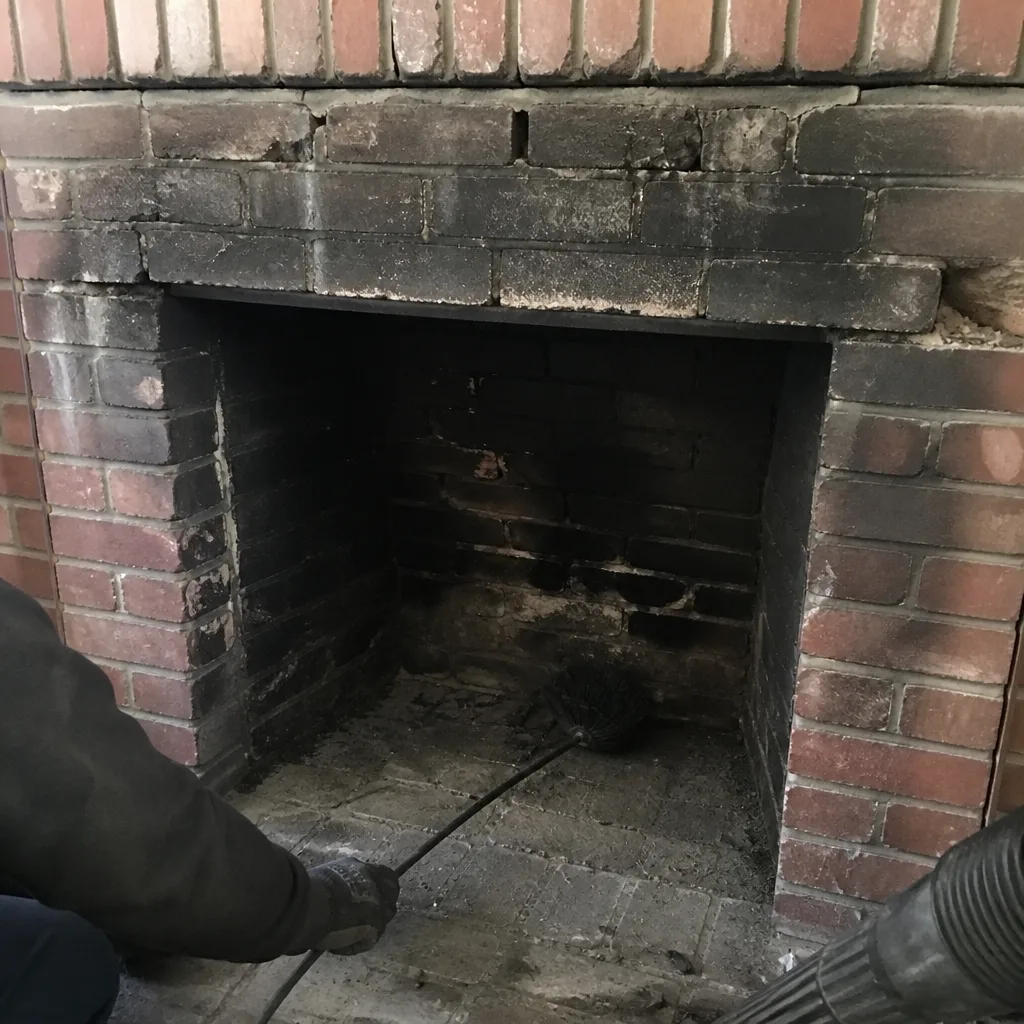 Before
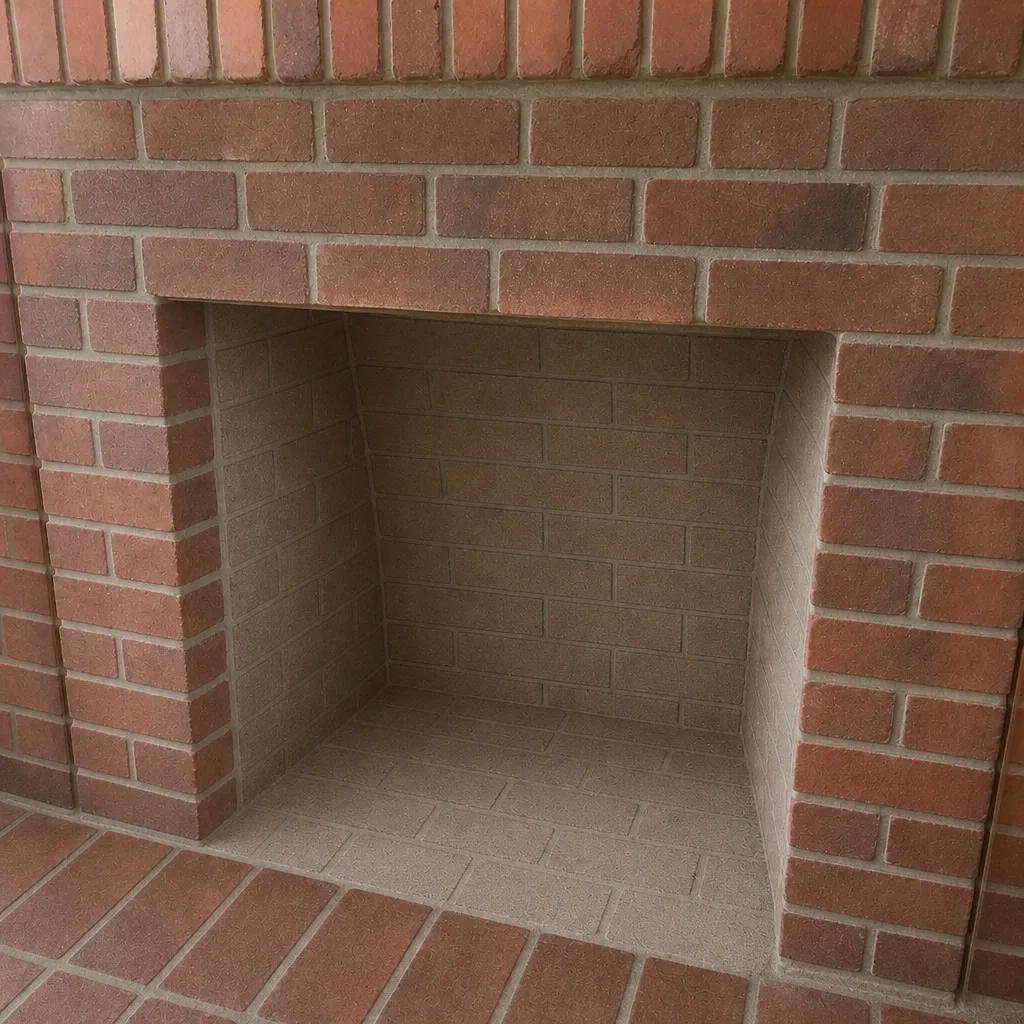 After
 Before
 After
 Before
 After
When to Call a Professional
Call a chimney professional if your flue has never been inspected and filmed, if a sweep has told you the liner is cracked or spalled, if you’ve added a wood insert or replaced an appliance, if you’re buying or selling a house in Throggs Neck with a fireplace, or if there’s been a chimney fire or a suspected one. Call if you’re getting ready to burn for the season and it’s been more than a year since anyone looked inside the flue. Call if there’s a question about whether a repair needs a permit, because the answer changes the scope of the job. Chimney Sweep Throggs Neck offers free estimates in Throggs Neck, and we’ll tell you plainly when a repair can safely wait and when it can’t. Call (833) 513-8531.
Frequently Asked Questions
No. Routine chimney cleaning is maintenance and requires no permit in New York City. The permit belongs to work that alters the chimney, such as a new liner, a crown rebuild, a flue modification, or a structural repair. If a sweep recommends more than a cleaning, ask whether the repair requires a filing before you agree to it.
Yes, in most cases a new liner or a reline is an alteration to the chimney and requires a Department of Buildings permit pulled by a licensed contractor. That covers flexible stainless systems like DuraFlex as well as anything that changes the flue’s size or function. Ask for the permit number before the work starts, not after.
A Level 1 is a visual check of readily accessible parts. A Level 2 adds a video scan of the flue interior and is required after a chimney fire, on a change of occupancy, and when an appliance is added. For insurance and for a home sale, the Level 2 report with images is the one that matters.
Generally yes. Insurers typically want a Level 2 inspection report with video evidence and a record of the repair before a claim is settled. Have the inspection done and keep the report along with the permit and inspection sign-off in one file. If you’re unsure how your carrier handles it, ask them directly before the claim is filed.
It can stall one. An unpermitted liner or crown typically surfaces in a title search or a buyer’s inspection, and the closing waits while the seller produces paperwork or agrees to remediation. If you’re selling a house with a fireplace, gather the permit history and a recent inspection report well before you list.
Yes. Throggs Neck is in the Bronx, and chimney work is filed and inspected through the NYC Department of Buildings with the Bronx borough office handling the processing and inspection scheduling. The filing is made by the licensed contractor performing the work, and the inspection timing is set by the department rather than the contractor.
The Bottom Line
Cleaning your chimney needs no permit. Changing it does. That’s the line, and holding to it is what keeps a chimney project from becoming an insurance problem or a closing-day surprise. Get a Level 2 report with images so you have evidence rather than a memory. If the work is structural, confirm the permit is filed before the first day and that it’s closed out at the end. The NYC Department of Buildings handles chimney work in the Bronx, NFPA 211 defines the standard, and your paperwork is what an insurer and a buyer will both want to see. Call (833) 513-8531 for a free estimate. We answer 24/7. Fast dispatch from 7am to 7pm, Sunday through Friday.
Written by the team at Chimney Sweep Throggs Neck.