
Last updated November 25, 2026
 Sweep & inspection
 Caps & crowns
 Flue relining
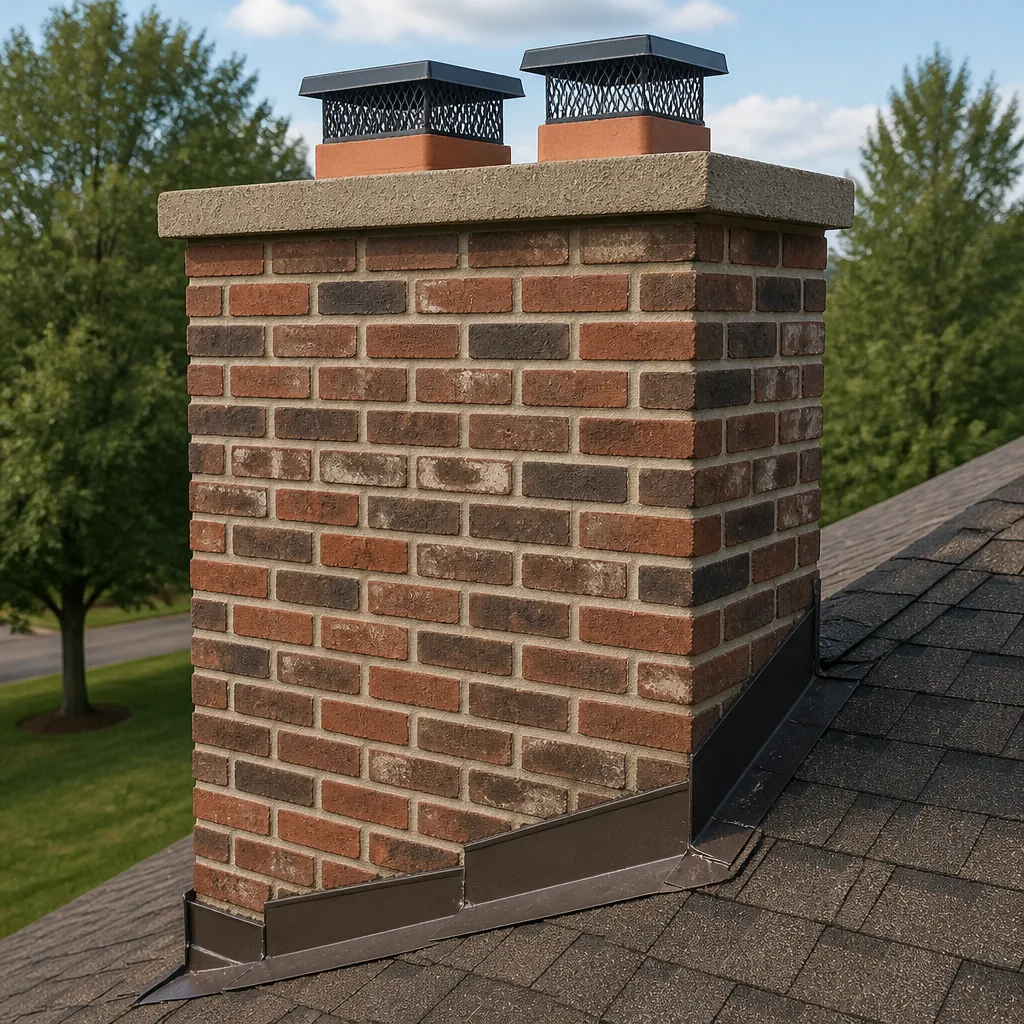 Masonry repair
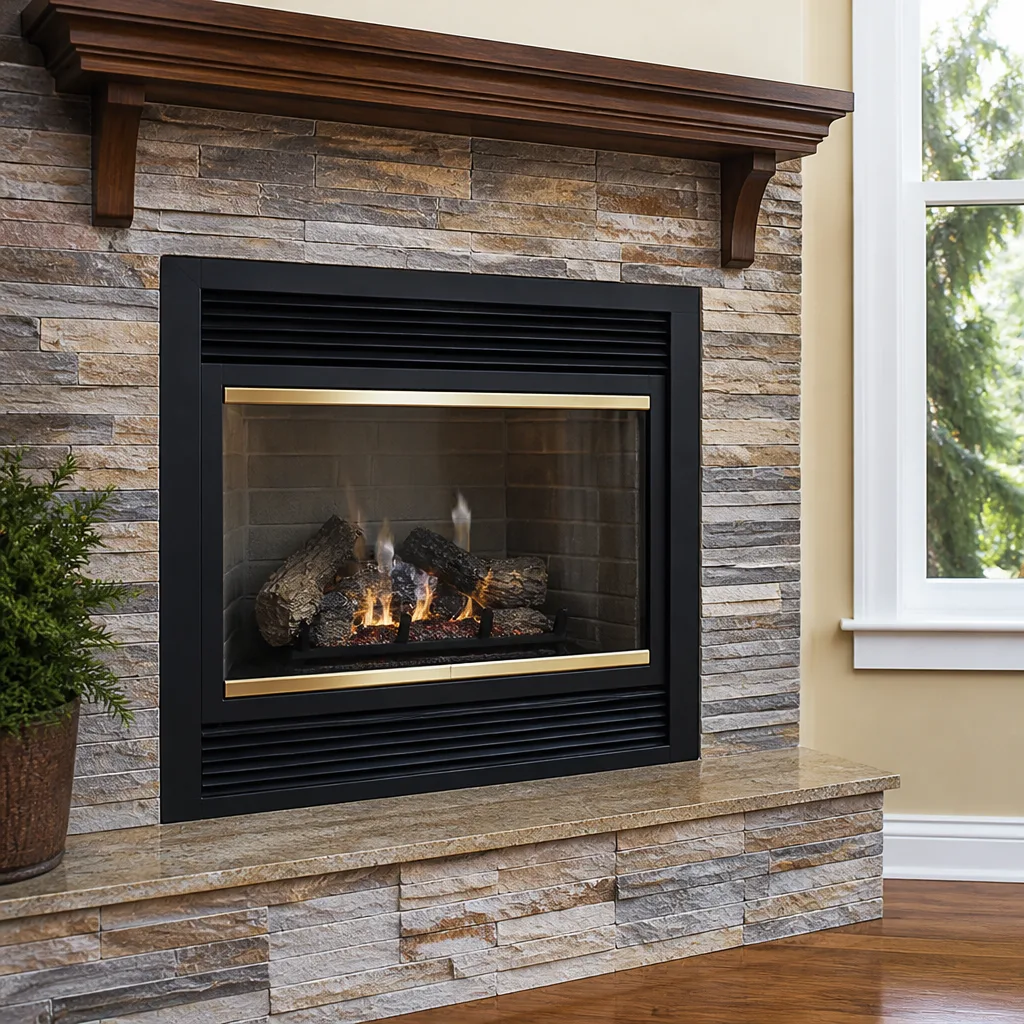 Gas fireplace service
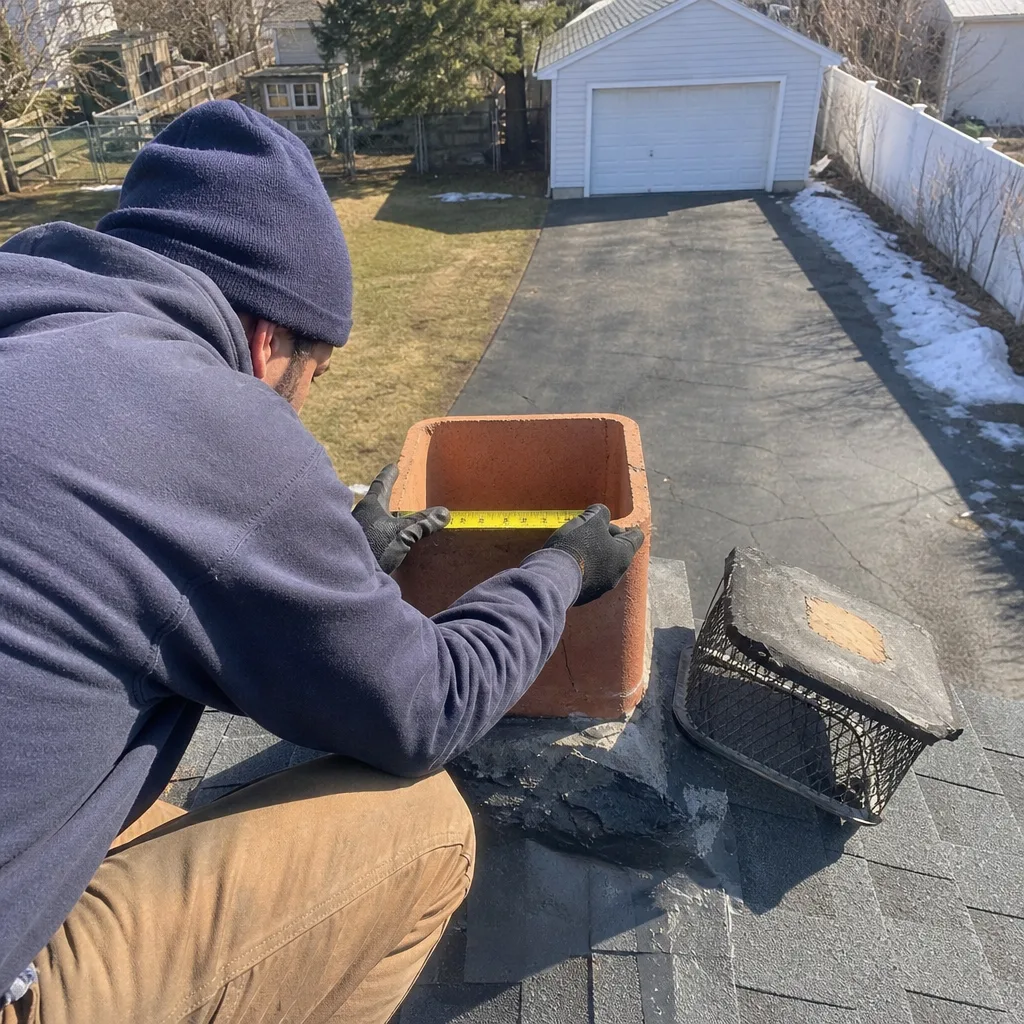
Level 1 sweep and inspection to the NFPA 211 annual standard - flue, crown, cap, and flashing checked and photographed
Chimney sweep logs do not sweep chimneys. They loosen some creosote - which then falls where a brush and vacuum still have to collect it.
Seasonal Chimney Cleaning Care for Throggs Neck: Year-Round Homeowner’s Guide
Most homeowners in Throggs Neck think about the chimney twice: once when the first cold snap hits and once when something smells wrong. That schedule is backwards. In this part of the Bronx, the damage that shortens a chimney’s life usually starts in late spring, when water works its way into mortar joints that winter cracked open, and sits there through the humid months before anyone climbs up to look. By the time you light the first fire in fall, the problem has had a whole season to spread. This guide walks through what each season actually does to a chimney here, what to check and when, and how to build a maintenance calendar that follows Throggs Neck weather instead of a generic checklist.
Quick Answer
Chimney care in Throggs Neck works best as a year-round cycle, not a single annual sweep. The most important inspection happens after winter, in spring, because that’s when freeze-thaw damage to mortar and crowns is visible and before moisture settles in. Fall is when you want the sweep done, booked early rather than in October. Summer and winter are for monitoring, not ignoring.
Styles & brands we work with
- Sweep & inspection
- Caps & crowns
- Flue relining
- Masonry repair
- Gas fireplace service
Table of Contents
- Why Seasonal Care Beats an Annual Sweep
- Spring: The Inspection That Matters Most
- Summer: Heat, Humidity, and the Chimney You’re Not Using
- Fall: The Sweep Timing Window in Throggs Neck
- Winter: Warning Signs You Can Monitor Safely
- Building Your 12-Month Throggs Neck Chimney Calendar
- What Proper Materials Look Like Season to Season
- Common Mistakes to Avoid
Why Seasonal Care Beats an Annual Sweep
A chimney is a masonry and metal system exposed to weather on the outside and to heat, creosote, and moisture on the inside. Those two exposures don’t peak at the same time. That’s the whole reason a single annual visit misses things.
In Throggs Neck, the freeze-thaw pattern is the driving force. Winters here swing above and below freezing repeatedly rather than staying locked in cold. Water absorbed into mortar, brick, or a crown absorbs and expands each time it freezes, then contracts when it thaws. That cycling widens hairline cracks into real openings. The crack you can see in March is often twice the size it was in December.
Then spring rain and summer humidity find those openings. Moisture moves through masonry slowly, and it doesn’t leave on its own. By fall, you have a flue interior and exterior shell that have been wet for months, and a sweep alone won’t fix that.
A seasonal approach catches each problem in the window where it’s cheapest to fix:
- Spring inspection finds winter damage while it’s still cosmetic.
- Summer monitoring catches moisture problems and animal or debris intrusion in an unused flue.
- Fall sweep removes creosote buildup before the burning season starts.
- Winter observation flags performance changes that tell you something needs attention mid-season.
That’s the difference between maintaining a chimney and repairing one. Our Chimney Sweep Throggs Neck team handles every stage of that cycle in a single trade, from the spring inspection through the fall sweep and any repair the inspection turns up.
Spring: The Inspection That Matters Most
Spring is when most chimney damage in Throggs Neck actually sets in. Not winter. Winter causes the cracks; spring is when water gets into them and stays. That’s why a post-winter inspection matters more than the pre-winter one most homeowners book.
Here’s what a proper spring inspection looks at:
- The crown. The concrete cap at the top of the chimney takes the most weather. Cracks here let water run straight down into the flue and masonry.
- Mortar joints. Receding or crumbling mortar between bricks is the classic freeze-thaw signature. Left alone, it opens the wall to water and eventually weakens the structure.
- The flue interior. A camera inspection shows the liner’s condition: cracks, spalling, gaps at joints. This is the part you can’t see from the ground and the part that matters most for safety.
- The flashing and cap. Where the chimney meets the roof is a common leak point. A missing or damaged cap lets rain, birds, and debris straight into the flue.
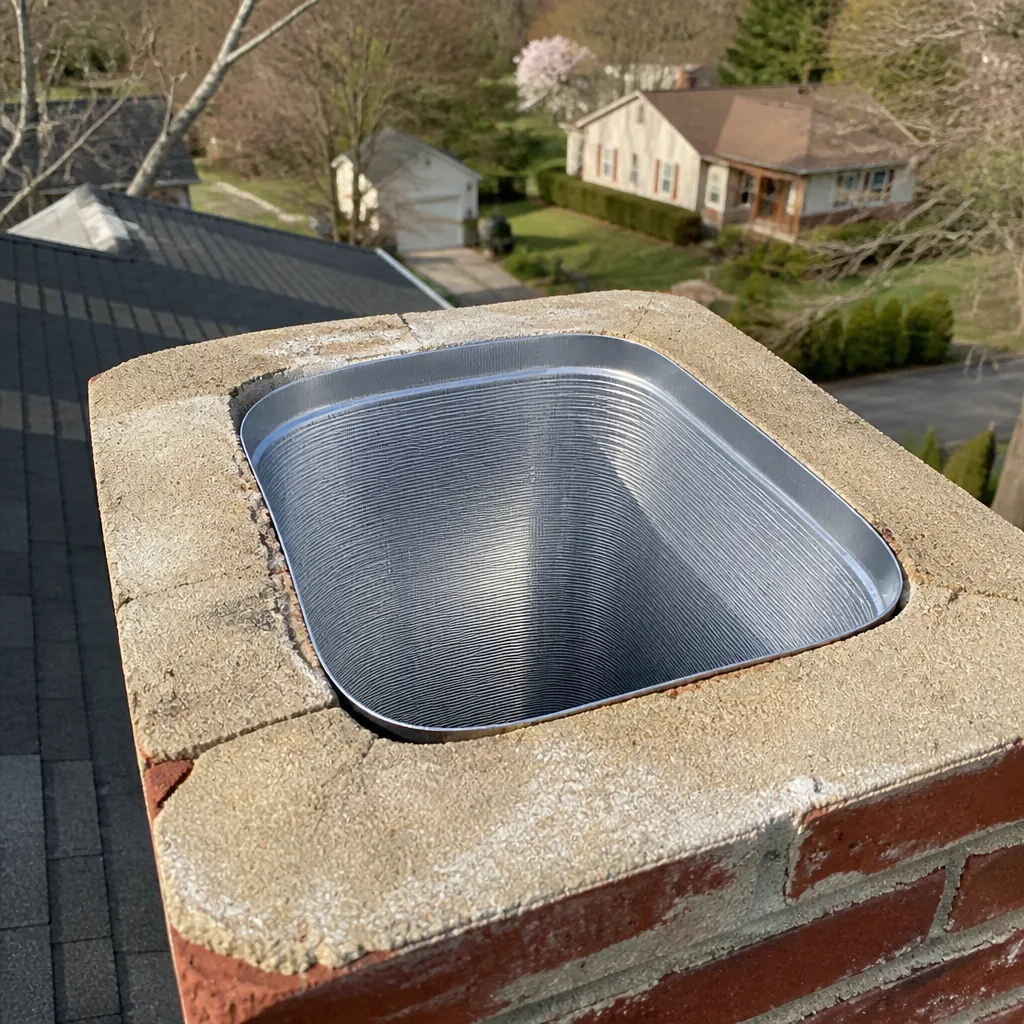
Nothing gets recommended on a spring inspection without camera evidence you can look at yourself. If a liner has surface cracking but is structurally sound, HeatShield resurfacing can restore the flue interior without a full rebuild. If the damage is through the liner, a DuraFlex flexible liner may be the right call. We’ll tell you which one your chimney actually needs, and we’ll say plainly when a repair can safely wait until fall.
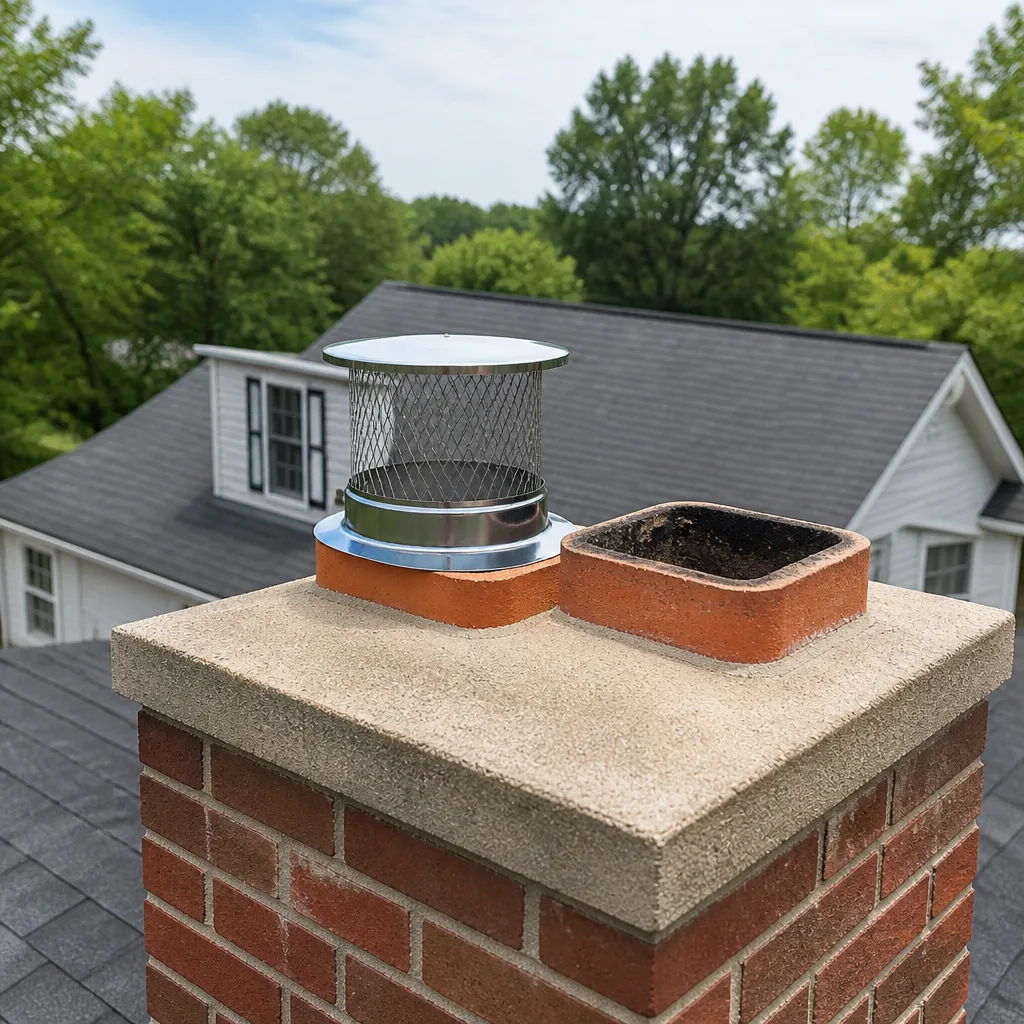
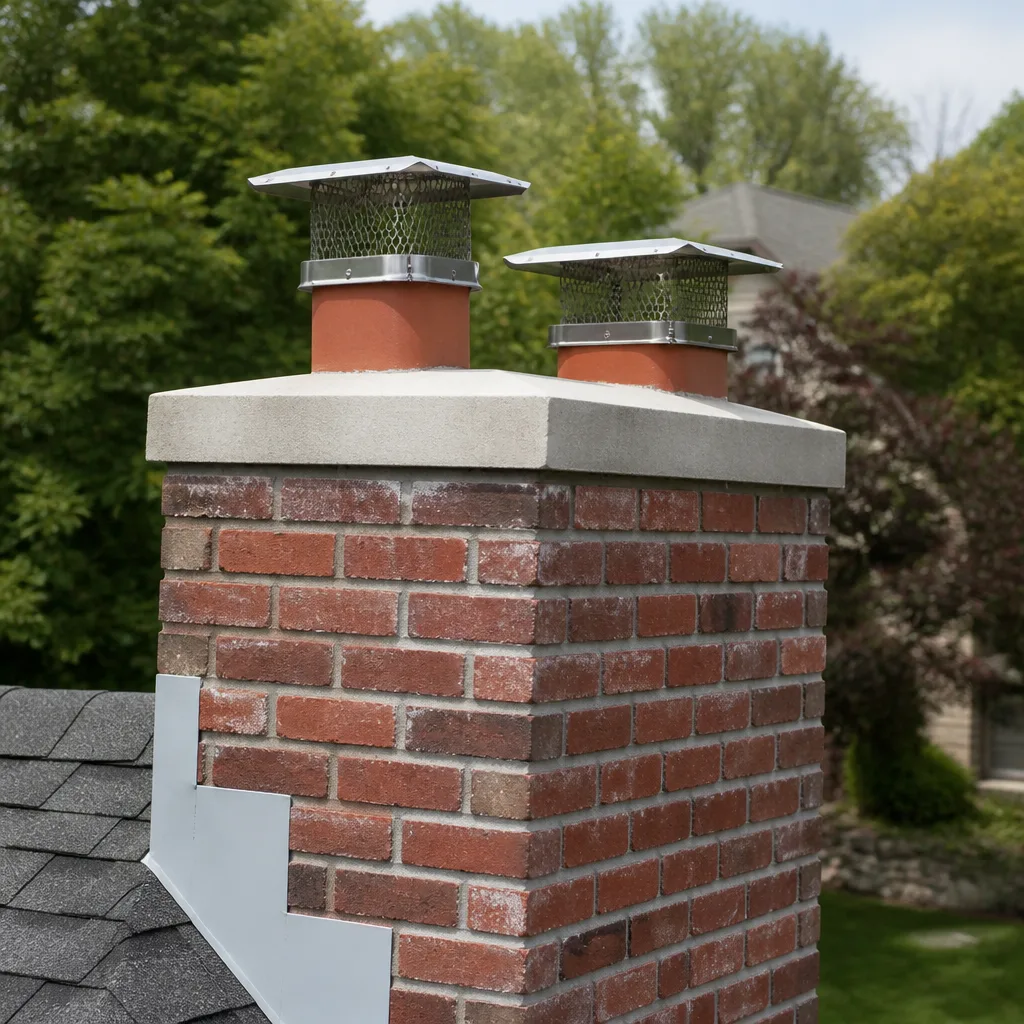
Spring is also when a chimney cap & crown check pays off. A sound crown and a properly fitted cap are the two cheapest ways to keep the water out through the wet months.
Summer: Heat, Humidity, and the Chimney You’re Not Using
An unused chimney in July still needs attention. This is the season homeowners forget, and it’s the one where small problems quietly get worse.
Heat and humidity accelerate liner deterioration. Masonry that took on water in spring now sits in warm, humid air, and moisture trapped inside a flue with no fire to dry it out stays put. The flue interior, already stressed from winter, is at its most vulnerable. A flue that was merely damp in April can show real spalling by August.
An unused flue also becomes a home for things you don’t want:
- Birds and squirrels nest in open flues, and the nesting material is highly combustible.
- Leaves and debris collect and block the flue.
- Rain blows in through a missing or loose cap.
- Creosote left from last season can absorb moisture and turn corrosive.
Summer is the right time for a mid-year look, especially if your chimney has no cap or an aging one. A properly fitted cap from a specialty line like Famco or Copperfield keeps rain and animals out and lets the flue breathe. Those are parts sourced from chimney suppliers, not a general hardware aisle, and the fit matters more than homeowners expect.
If your spring inspection flagged a repair you decided to think about, summer is the season to schedule it. Getting it done now means it’s finished before the burning season, and it’s one less thing competing for a slot in the fall rush.
Fall: The Sweep Timing Window in Throggs Neck
Fall is when you want the chimney sweep done, and the timing matters more than most people realize. Waiting until October puts you at the back of the queue every year.
Here’s why. The first genuinely cold week in Throggs Neck sends a wave of homeowners calling for a sweep at the same time. Everyone who put it off all year calls in the same two-week window. The result is a backlog, and the people who booked in late summer or early September are already done while everyone else is waiting.
The right window is late August through September. That’s late enough that the summer humidity has passed and early enough to beat the crowd. A fall sweep does a specific job:
- Removes creosote buildup from the flue before the burning season. Creosote is the combustible residue that fuels chimney fires.
- Confirms the flue is clear of summer debris and animal nests.
- Checks that the damper opens and closes properly before you rely on it.
- Gives you time to schedule any repair the sweep reveals, rather than discovering it the night you want a fire.
A sweep is not a substitute for an inspection. The sweep clears the flue; the inspection tells you what condition it’s in. Book them together. If fall turns up a problem in the flue or the firebox, that’s a chimney repair conversation, and it’s better had in September than December.
Winter: Warning Signs You Can Monitor Safely
Mid-season, you don’t need to climb on the roof. You do need to notice changes. Several warning signs can be watched from inside the house, without opening the flue or touching hot components.
Watch for these during the burning season:
- Smoke that rolls back into the room instead of going up. This can mean a blockage or a draft problem and needs a professional look before the next fire.
- A strong, sharp smell even when no fire is burning. That often points to a draft issue or creosote that has taken on moisture.
- Staining on the chimney’s exterior or the ceiling near it. This suggests a leak and should not wait for spring.
- Crumbling mortar or loose bricks visible from the ground. Freeze-thaw damage continues through the winter.
- A change in how the fire burns – weaker draft, more smoke, harder to keep going.
What you shouldn’t do is open the flue and inspect the liner yourself, or reach into the firebox to check the damper mid-season. The flue interior and the components behind the firebox are a trained professional’s job. If any of the signs above show up, stop using the fireplace and call. That’s not caution for its own sake; a blocked or damaged flue is a real carbon monoxide and chimney-fire risk, and it’s not something to diagnose from the living room.
Mid-winter is also when a small crown crack you noticed in fall becomes a bigger one. If you didn’t get to it, note it and book it for the first thaw.
Building Your 12-Month Throggs Neck Chimney Calendar
Generic seasonal advice says “sweep in fall, inspect in spring.” A working calendar for Throggs Neck is more specific, because the local weather pattern is. Here’s a rolling 12-month plan tied to how this area actually behaves.
- March-April (post-winter inspection). Book the inspection after the last hard freeze. This is when freeze-thaw damage is freshest and clearest. Camera inspection and photo report, so you can see the flue for yourself.
- May-June (repair window). Schedule any repair the inspection turned up: crown repair, cap replacement, liner resurfacing with HeatShield, or a DuraFlex liner if the flue needs relining. Doing it now means it’s done before the wet summer.
- July-August (monitor and prep). Check that the cap is intact and seated. Clear any debris. If you have an unused flue, confirm nothing has moved in. This is the quiet season, and the cheapest time to catch a problem.
- Late August-September (sweep). Book the sweep before the fall rush. Creosote removed, flue confirmed clear, damper checked.
- October-November (final check before burning). If the sweep flagged anything, finish it now. Confirm your carbon monoxide detectors are working before the first fire.
- December-February (watch and note). Monitor the warning signs above. Write down anything that changes. Don’t diagnose it yourself.
Two visits a year, one in spring and one in fall, cover almost everything. The summer and winter steps between them are things you can do yourself: look, notice, and note. That’s the whole cycle, and it’s built around Throggs Neck’s freeze-thaw pattern rather than a nationwide template.
What Proper Materials Look Like Season to Season
The reason seasonal care works is that each season’s problem gets the right material, not a general fix. That’s where a chimney specialist differs from a general contractor with a brush.
We work with professional-grade products from six established chimney-industry brands: DuraFlex, HeatShield, Gelco, Olympia Chimney, Famco, and Copperfield. Each has a job in the cycle:
- HeatShield resurfacing restores a deteriorating flue interior when the liner is cracked or spalled but structurally sound. It extends the chimney’s life without a full rebuild, and it’s a repair-tier solution short of replacement.
- DuraFlex flexible liner systems reline older or irregularly shaped flues where rigid liners won’t fit. That’s the go-to when the flue itself needs a new lining.
- Famco and Copperfield product lines cover caps, dampers, and chimney accessories. These are specialty parts, and the fit is what keeps water and animals out.
- Gelco and Olympia Chimney round out the product range for components that come up in repair work.
Using named, professional-grade materials matters because a chimney repair is only as good as what goes into it. A cap that doesn’t fit is worse than no cap in some cases. A liner that isn’t rated for the flue is a safety problem, not a fix. When you compare estimates, ask what brand and what method. HeatShield resurfacing versus full liner replacement is a real decision, and a specialist should be able to tell you which one your chimney actually needs and why.
Common Mistakes to Avoid
- Treating the sweep as the whole job. A sweep clears the flue; it doesn’t tell you the liner is cracked. Book the inspection alongside it, or you’re cleaning a flue you don’t actually know the condition of.
- Waiting for October to book. The first cold week in Throggs Neck brings a flood of calls. Book in late August or September and skip the queue.
- Assuming an unused chimney needs nothing. A capped, idle flue still collects moisture, debris, and animals. Summer is when that damage quietly builds.
- Skipping the post-winter inspection because the chimney “looked fine” from the ground. Freeze-thaw cracks in mortar and crowns are often invisible from below. That’s why the camera inspection exists.
- Letting a general contractor handle chimney work. Chimney repair is a specialty. A roofer or handyman who also does masonry isn’t the same as a team that does only chimneys.
- Buying a cap or damper from a big-box store. Fit is everything. Specialty parts from chimney suppliers hold up; generic ones often don’t.
- Ignoring a small crown crack through the winter. It grows. Book it for the first thaw rather than waiting for a leak to announce itself.
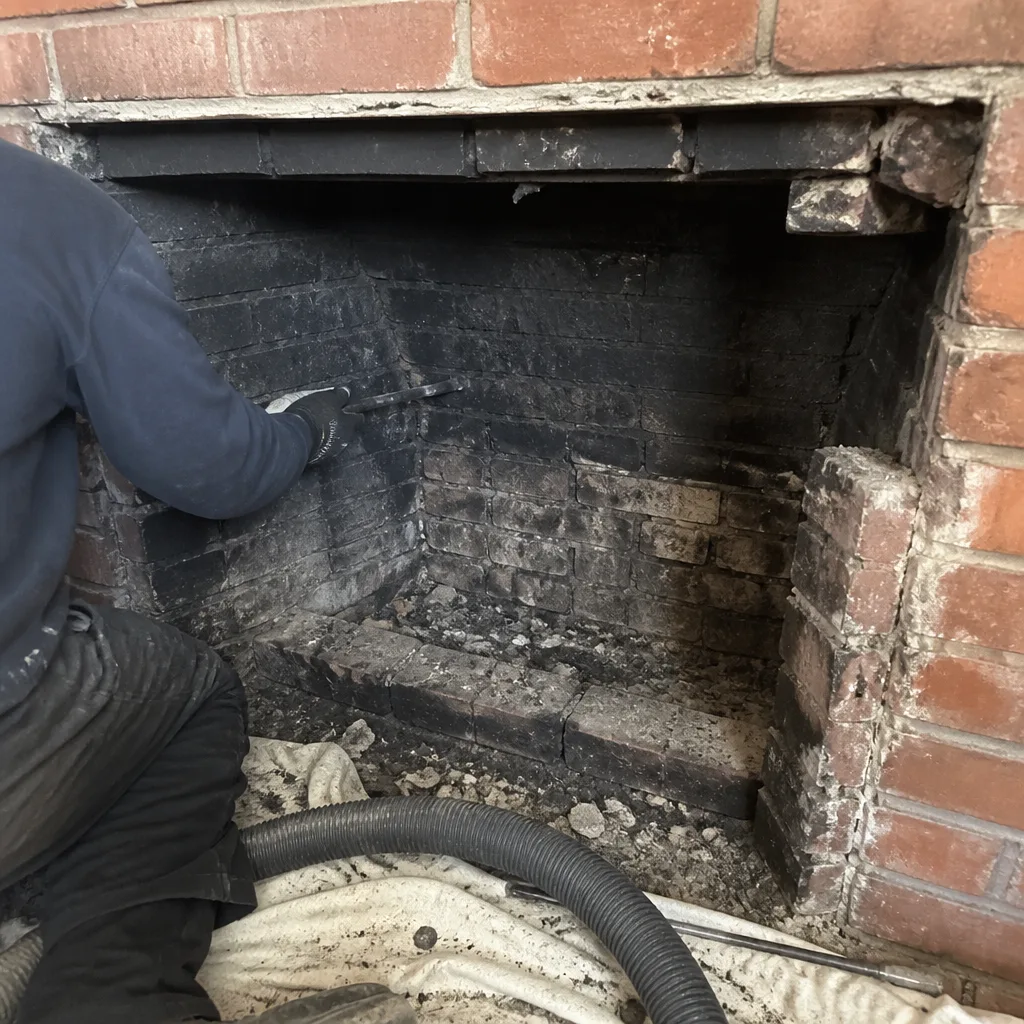
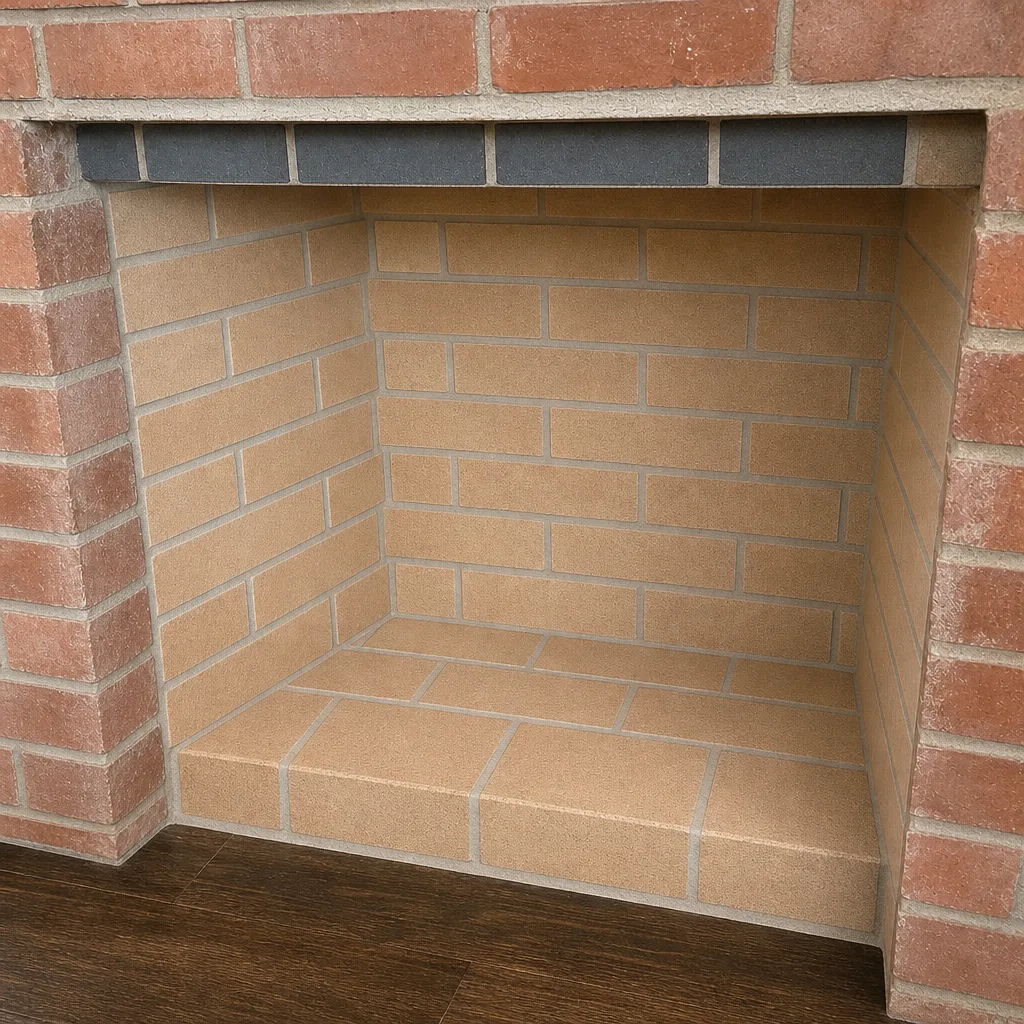
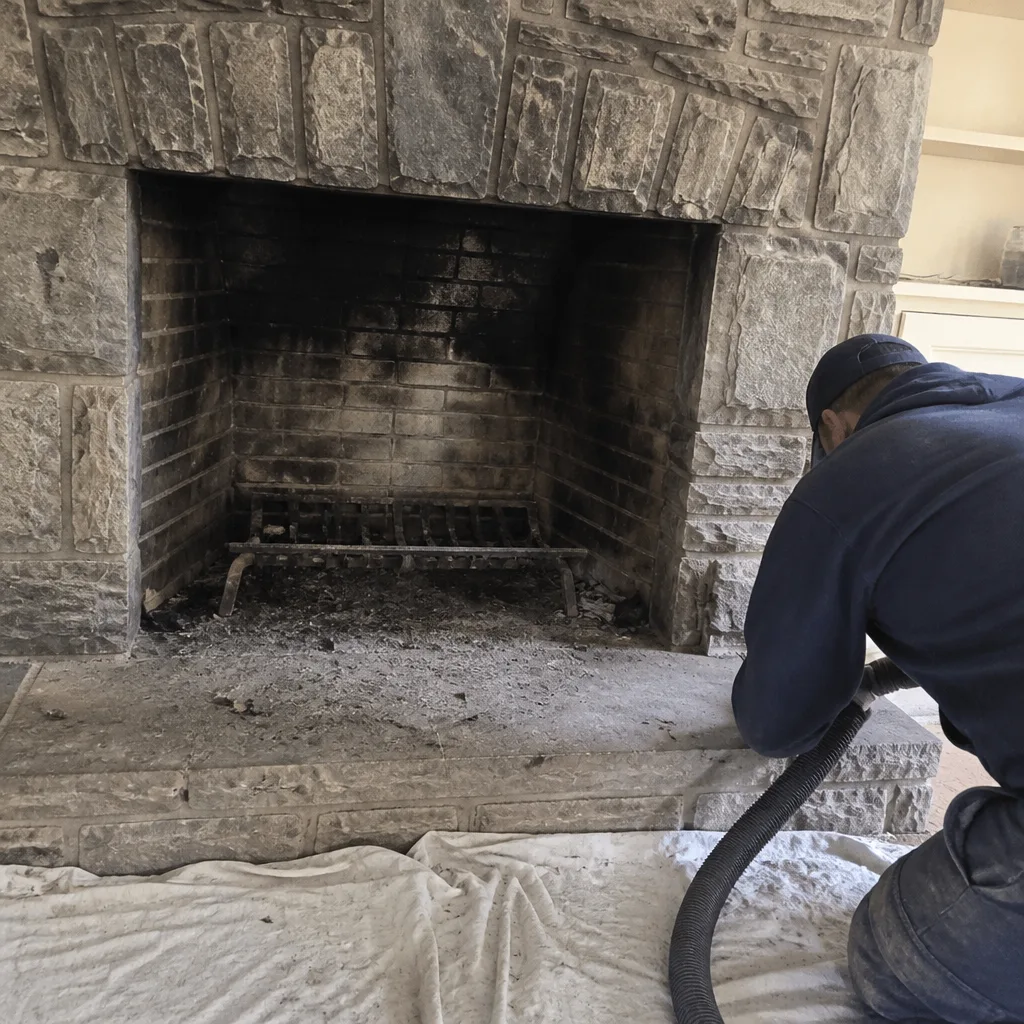
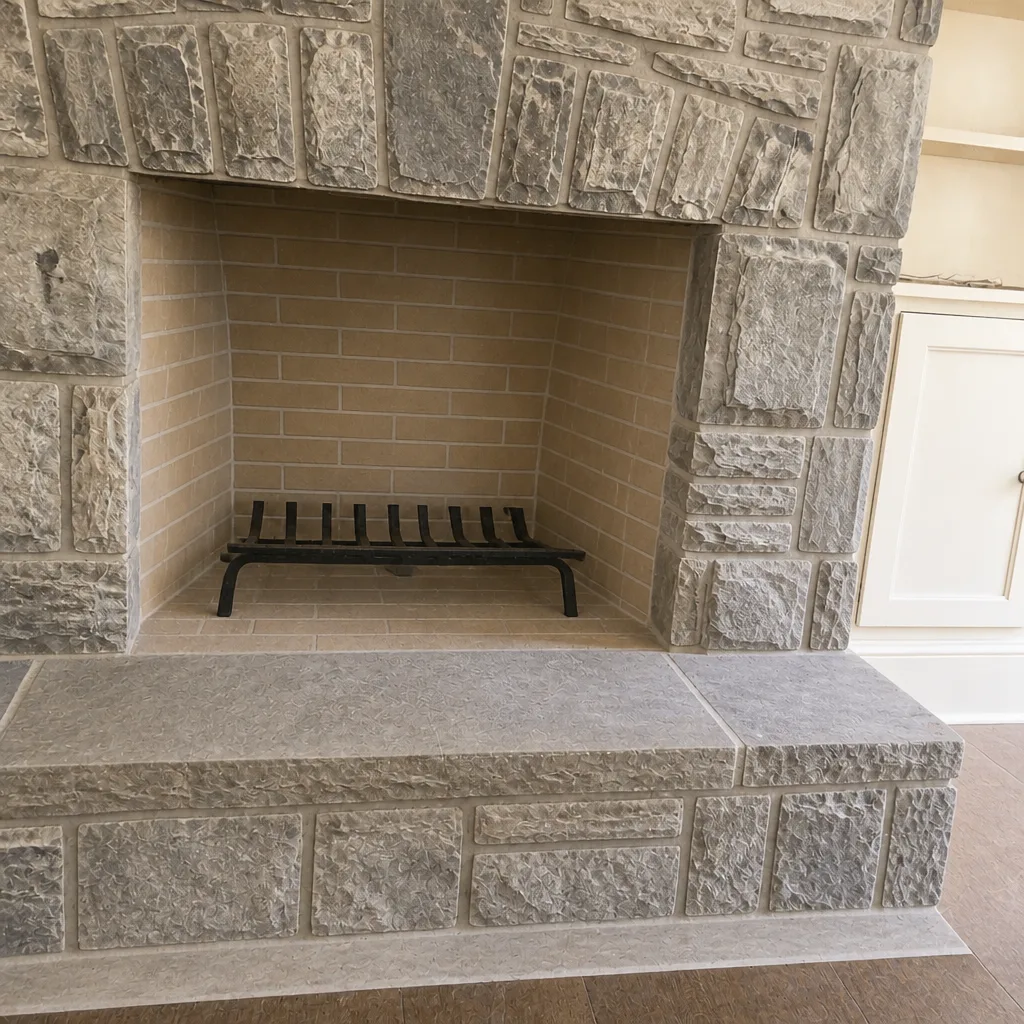
See the difference
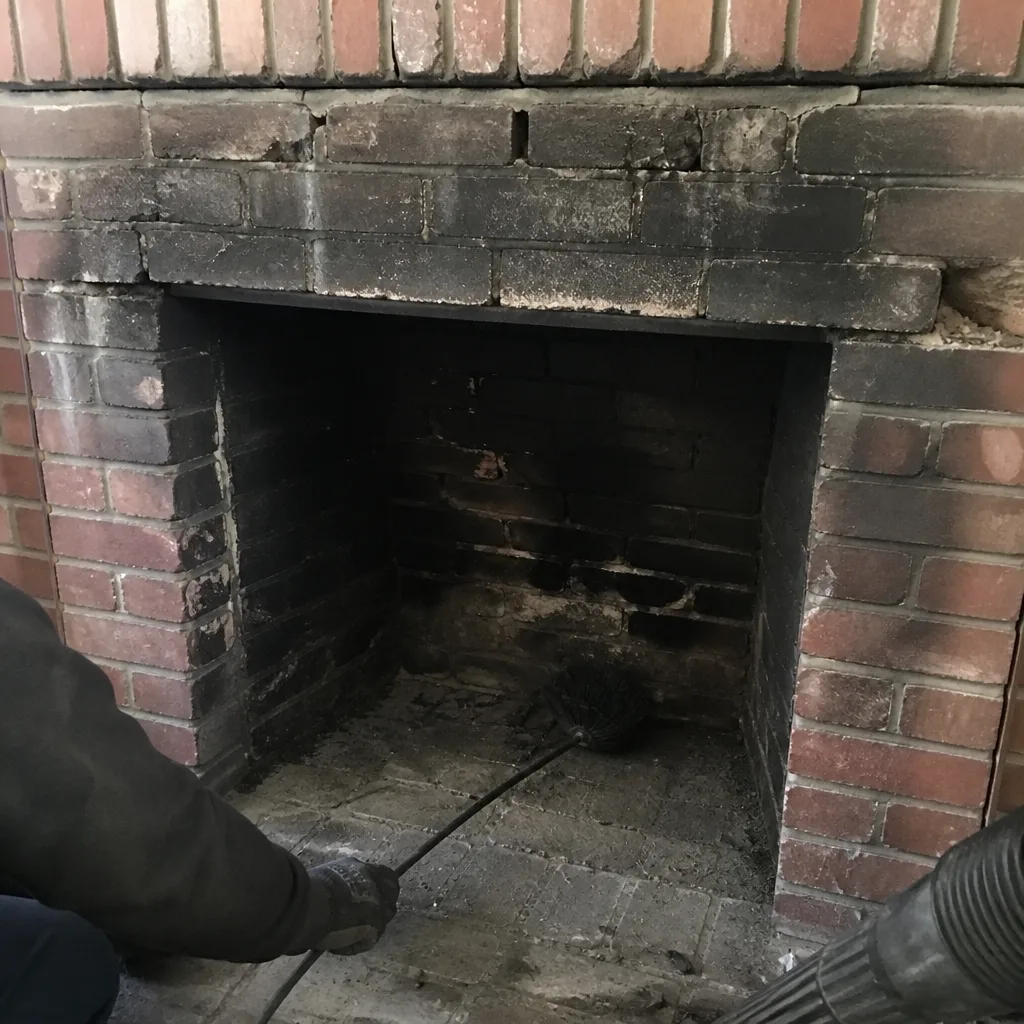 Before
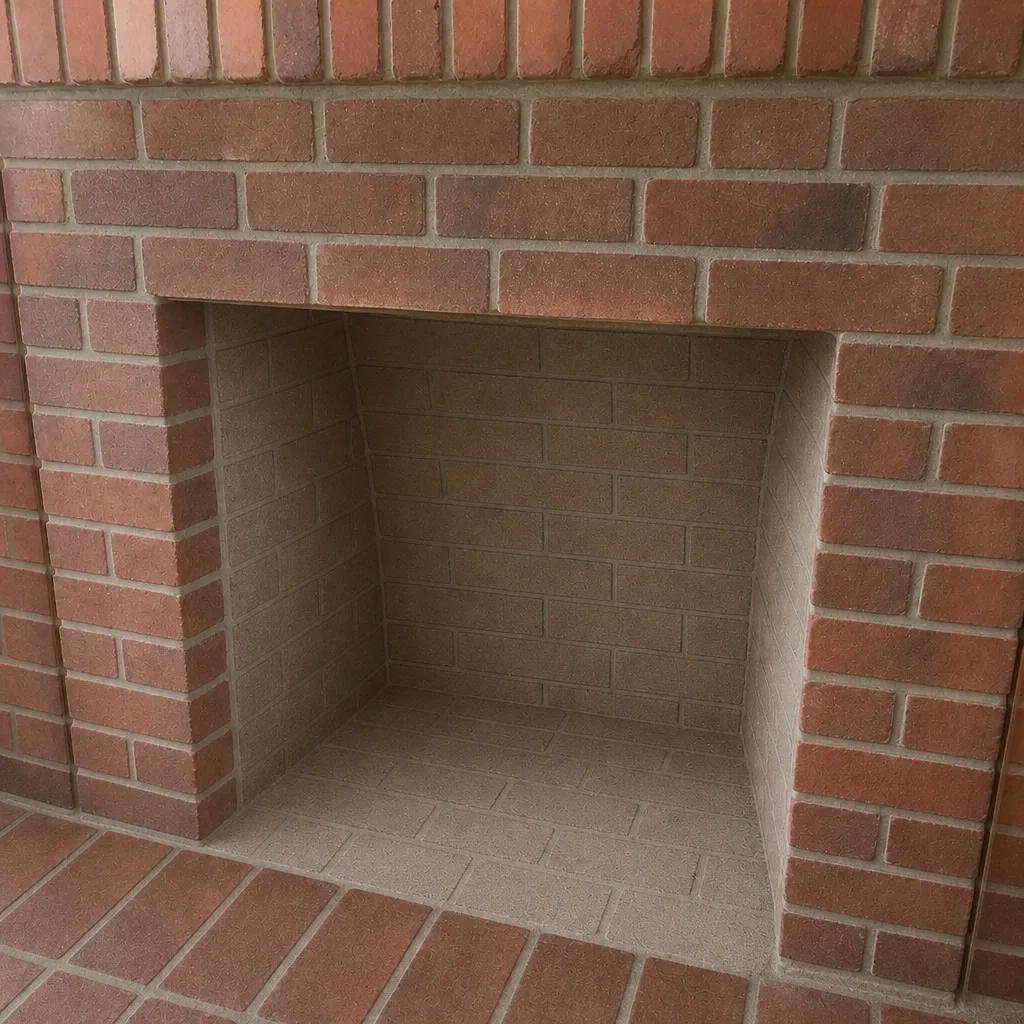 After
 Before
 After
 Before
 After
When to Call a Professional
Some things are monitoring; some are calls. Call a specialist if you see smoke rolling back into the room, smell a sharp odor with no fire burning, notice staining on the chimney or ceiling, or spot crumbling mortar or loose bricks from the ground. Call if it’s been more than a year since the last sweep, if you’ve moved into a home and don’t know the flue’s history, or if your spring inspection is overdue. Call before the first fire of the season if anything about last year’s burning felt off. Chimney Sweep Throggs Neck offers free estimates in Throggs Neck. Call (833) 513-8531. We answer 24/7. Fast dispatch from 7am to 7pm, Sunday through Friday.
Frequently Asked Questions
Once a year for most homeowners who burn regularly, plus an inspection once a year. Sweep in late summer or early fall before the burning season, and inspect in spring after the last freeze. If you burn heavily or use a wood insert, you may need more frequent checks. Call (833) 513-8531 for an exact recommendation for your flue.
Because that’s when freeze-thaw damage from winter is freshest and most visible, and it’s before spring rain and summer humidity work their way into the cracks. Catching a mortar or crown crack in March is a small repair; catching it in September is often a bigger one.
Yes. An idle flue still takes on moisture, debris, and animals, and heat and humidity accelerate liner deterioration. A capped, unused chimney in July is exactly the one where a small problem quietly grows. A quick check that the cap is intact and the flue is clear is worth doing.
It depends on the flue. Surface cracking and spalling in a structurally sound liner can often be restored with HeatShield resurfacing. Damage that goes through the liner usually means relining with a DuraFlex flexible liner. We won’t recommend either without camera evidence you can see, and we’ll tell you when a repair can safely wait.
Creosote builds up in the flue, and creosote is combustible. That’s a chimney-fire risk. A blocked or damaged flue is also a carbon monoxide risk. Skipping the sweep doesn’t cause a problem that day; it lets one build up over months. Call (833) 513-8531 for a free estimate.
Late August through September. That’s early enough to beat the rush that hits with the first cold week, and late enough that the summer humidity has passed. Booking in October usually means waiting behind everyone who called in September.
The Bottom Line
Chimney damage in Throggs Neck doesn’t happen all at once in winter. It starts with freeze-thaw cracks, gets worse through spring rain and summer humidity, and shows up as a real problem by the time you want a fire. A seasonal cycle catches each stage in the window where it’s cheapest to fix: inspect in spring, repair in early summer, monitor in midsummer, sweep in late summer, watch in winter. Two visits a year, one spring and one fall, plus your own attention between them, cover nearly everything. The materials matter as much as the schedule. Book the inspection and the sweep together, and book early.
To get your chimney on a Throggs Neck seasonal calendar, call Chimney Sweep Throggs Neck at (833) 513-8531 for a free estimate. We answer 24/7. Fast dispatch from 7am to 7pm, Sunday through Friday.
Written by the team at Chimney Sweep Throggs Neck.