
Last updated November 25, 2026
 Sweep & inspection
 Caps & crowns
 Flue relining
 Masonry repair
 Gas fireplace service
Level 1 sweep and inspection to the NFPA 211 annual standard - flue, crown, cap, and flashing checked and photographed
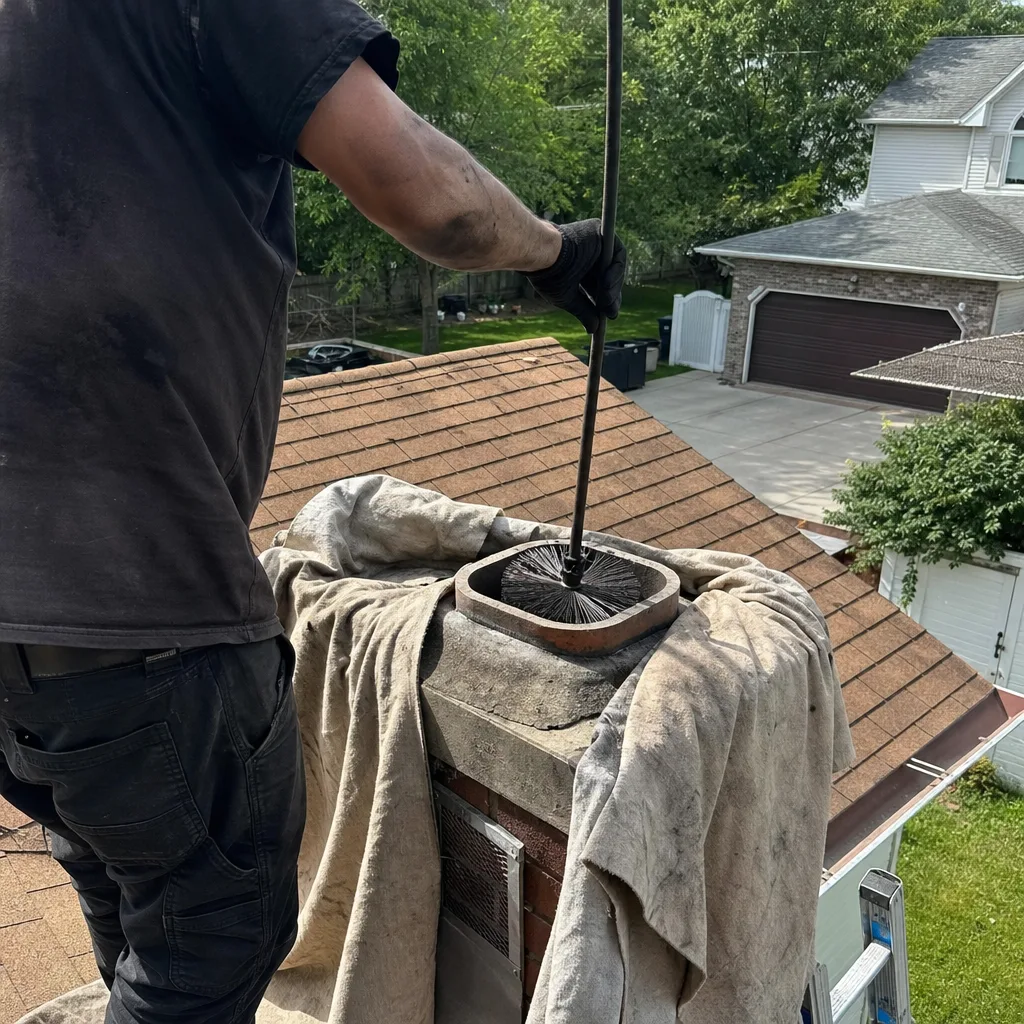
Chimney sweep logs do not sweep chimneys. They loosen some creosote - which then falls where a brush and vacuum still have to collect it.
How to Hire a Chimney Cleaning Contractor in Throggs Neck: A Step-by-Step Guide
New York State doesn’t license chimney sweeps. That’s the fact most homeowners don’t know, and it changes everything about how you hire one. The person who answers your call in Throggs Neck could have years of formal training and a national certification, or a brush, a ladder, and a magnetic sign on the truck. Both are legal. Only one is qualified. This guide walks you through the exact steps to tell them apart: how to verify certification on the certifying body’s own registry, the five questions that expose a generalist add-on service, the red flags that show up in the Bronx market, and how to read a cleaning contract and compare quotes line by line.
Quick Answer
To hire a chimney cleaning contractor in Throggs Neck, verify current CSIA certification on the CSIA’s own online registry, confirm the company does chimney work as its primary trade rather than as an add-on to roofing or gutters, ask for a written scope and report, and compare quotes by separating inspection, sweeping, and any recommended repairs into the same line items across every bid. A legitimate contractor will never pressure you to approve repair work on the day of the sweep.
Styles & brands we work with
- Sweep & inspection
- Caps & crowns
- Flue relining
- Masonry repair
- Gas fireplace service
Table of Contents
- Why New York Doesn’t License Chimney Sweeps, and What Replaces It
- What CSIA Certification Actually Verifies (and How to Check It’s Current)
- The Five Questions to Ask Before Booking
- Red Flags Specific to Throggs Neck and the Bronx Market
- What a Legitimate Chimney Cleaning Contract Should Include
- How to Compare Quotes Accurately
- Throggs Neck Weather, Home Age, and What It Means for Your Chimney
- What a Proper Sweep and Inspection Looks Like, Step by Step
Why New York Doesn’t License Chimney Sweeps, and What Replaces It
New York State does not issue a chimney sweep license, and there’s no state exam, no statewide registration, and no state database of who is qualified. That’s not a loophole; it’s simply how chimney work is classified here. It means the burden of verification falls on you, the homeowner, and it means the credentials worth looking for are entirely industry-driven rather than government-issued.
In practice, that puts national certification at the center of the hiring decision. The Chimney Safety Institute of America (CSIA) runs the most widely recognized certification program in the trade, and its requirements are specific: a proctored exam, a code of ethics, and continuing education to keep the credential current. A CSIA-certified sweep has demonstrated knowledge of venting, combustion, and the codes that govern residential chimneys. An uncertified one may be perfectly competent, or may never have opened a reference manual on the subject.
You’ll also see “licensed and insured” on a contractor’s advertising, and it’s worth understanding what that means here. A general contractor’s license (if the person holds one) doesn’t cover chimney sweeping, because sweeping isn’t a licensed trade in this state. Insurance is a separate question and a real one. Ask for a certificate of insurance showing general liability coverage before anyone gets on your roof, and confirm the local pro you hire carries coverage as their state requires. Insurance protects you if a ladder goes through a gutter or a technician is injured on your property.
We work with professional-grade materials from brands chimney specialists trust, and we mention that not to sell you a product but to make a point about credentials: a company that invests in DuraFlex liners, HeatShield resurfacing systems, and Olympia Chimney components is a company that does chimney work as a trade, not as a side job. Anyone can buy a brush. The supply relationships tell you more. For a full picture of what professional sweeping involves, see our guide to a chimney sweep.
What CSIA Certification Actually Verifies (and How to Check It’s Current)
CSIA certification verifies three things: that the technician passed a proctored, standardized exam covering chimney and venting science, that they’ve agreed to a code of ethics, and that they maintain the credential through continuing education and periodic renewal. It does not verify the company as a whole, does not expire once and for all (it has to be renewed), and doesn’t cover every employee on every truck.
That last point matters more than most homeowners realize. A company can advertise as “CSIA-certified” while sending an uncertified technician to your door. So the verification step is two-part:
- Look up the company’s certification status on the CSIA’s own registry at csia.org. Don’t rely on a logo on a website or a badge on a truck. The registry is maintained by the certifying body, and it’s the only source that shows whether a credential is current.
- Ask, when you book, which certified technician will be on the job, and confirm that schedule before the appointment. A straightforward company will answer this without hesitation.
If a company can’t tell you who’s coming or can’t point you to a current registry listing, that’s not a small gap. It’s the answer to your question.
We’ve also seen homeowners confuse certification with chimney-specialist focus. They’re related but distinct. A certified technician who spends four days a week on roofs and one day a week on gutters is still certified. But the specialization question (does this company do chimney work as its trade, or as an add-on?) is separate, and it’s the subject of the next section. If you want to see how a specialization-focused contractor frames the whole job, our page on Chimney Sweep Throggs Neck covers the range of work we handle.
The Five Questions to Ask Before Booking
These five questions separate a chimney specialist from a generalist add-on service in about five minutes of conversation. A specialist answers each one directly. A generalist deflects, generalizes, or changes the subject.
- “What percentage of your work is chimney-specific?” The answer you want is something close to all of it. A roofer who sweeps chimneys in the off-season, a handyman who adds “chimney cleaning” to a service list, or an HVAC company that throws in a sweep is a generalist. Chimney work is a trade with its own codes, materials, and failure modes. You want the person who does it every day.
- “What does your written report include?” The right answer names the specifics: the condition of the flue, the firebox, the damper, the cap and crown, and any evidence of creosote buildup or obstruction, usually with photos. If the answer is “we’ll tell you what we find,” that’s not a report, it’s a conversation.
- “Who does the repair work if something’s wrong?” You’re listening for whether the company handles it in-house or hands you off to a second contractor. A specialist covers the full lifecycle (sweep, inspection, caps and crowns, fireplace repair, structural chimney repair). A generalist refers it out. Our page on chimney repair lays out what that full scope covers.
- “Where do your parts come from?” Caps, dampers, and liners sourced from specialty suppliers (Famco and Olympia Chimney, for example) behave differently from big-box components, and the person installing them knows the difference. A specialist can name the brands. A generalist usually can’t.
- “Can I see the flue on camera?” A video inspection lets you see the inside of your own chimney with your own eyes. If a company can’t show you what it’s recommending, you have no way to verify the recommendation is real. That’s the whole point.
Ask these before you book, not when the technician is already on the roof. It’s easier to walk away from a phone call than from a crew in your driveway.
Red Flags Specific to Throggs Neck and the Bronx Market
The Bronx has a busy, competitive home-services market, and chimney work attracts a particular set of bad practices. Here’s what we’d tell a neighbor to watch for, and why each one matters.
- Vague pricing that never becomes a number. “It depends” is a fair answer to “how much will my sweep cost” before anyone has seen the chimney, but a real contractor gives you a range, explains what drives it, and puts the final number in a written estimate before work starts. A price that only materializes after the work is done is a red flag.
- No written report. A sweep that ends with a verbal “you’re all set” leaves you with nothing to track year over year. You want a written record of what was found, what was cleaned, and what to watch. Ask for it before you book, and expect it to include photos.
- Pressure to approve repairs on the same day. This is the big one. A technician who finds a cracked flue and immediately quotes you a liner replacement, with a same-day “discount if you sign now,” is asking you to spend real money on a diagnosis you can’t verify. A legitimate contractor will show you the camera footage, explain the options (resurfacing with HeatShield versus a full DuraFlex liner replacement), and let you think about it. Repairs that aren’t urgent can wait for your decision.
- No verifiable business identity. A phone number and a first name is not a business. Ask for a legal business name, an insurance certificate, and a written estimate with the company’s information on it. If any of that is hard to produce, that’s your answer.
- Cash-only, no paperwork. A legitimate contractor takes checks, cards, or other traceable payment and issues an invoice. A cash-only sweep with no receipt is hard to hold accountable if something goes wrong.
- “We’ll check your chimney while we’re doing your roof.” Chimney inspection is not a two-minute peek from the roofline. It’s a dedicated service with a camera, and it shouldn’t be bundled into an unrelated job.
The through-line in all of these is the same: you’re being asked to trust a diagnosis you can’t see. The fix is simple. Nothing gets recommended without camera evidence you can look at yourself, and a contractor who can’t or won’t provide that isn’t one you want. For what a proper camera inspection includes, see our chimney inspection page through the cap and crown service link at the end of this guide.
What a Legitimate Chimney Cleaning Contract Should Include
A chimney cleaning contract doesn’t need to be long, but it needs to be specific. Here’s what a legitimate one contains, and what to do if a bid comes in without these items.
- A defined scope. Exactly what gets cleaned (firebox, damper, smoke chamber, flue), whether the sweep includes a visual inspection at the top, and whether the cap or crown is checked. “Standard sweep” means different things to different companies, so get the specifics in writing.
- A written inspection report. What was found, what condition it’s in, and what, if anything, needs attention. Photos or video stills belong in this report, and you should receive a copy whether or not any repair is recommended.
- Warranty or guarantee language. If a cap is installed or a liner is replaced, what’s covered, for how long, and by whom? A DuraFlex liner installation typically carries a manufacturer’s warranty plus whatever workmanship guarantee the contractor offers. Those are two separate things; ask about both.
- Cleanup responsibility. Who vacuums the firebox, the hearth, and the floor around the fireplace? Who removes drop cloths and debris? This is boring, but a sweep that leaves soot across your living room is a real problem. The contract should say the crew cleans up.
- Pricing that doesn’t change mid-job. The written estimate is the price. If the technician finds something during the sweep that requires additional work, that’s a new conversation and a new estimate, not an added charge on the same invoice.
- A clear payment and cancellation policy. What happens if you need to reschedule, and how is payment handled?
If a contractor won’t put the scope in writing, that’s the strongest signal you’ll get. A company that can’t describe its own process on paper probably doesn’t have one.
How to Compare Quotes Accurately
Comparing chimney quotes is hard because companies describe the same work differently. One bid says “chimney cleaning, $X.” Another says “Level 1 inspection plus flue sweep, $Y.” A third says “full service, call for details.” You can’t compare those numbers as they stand, so here’s how to line them up.
First, separate the job into components and price each one:
- Inspection level. Most sweeps include a Level 1 visual inspection. Does the bid specify which level, and does it include camera footage?
- Sweep scope. Firebox only, or firebox plus smoke chamber plus flue?
- Cap and crown check. Is this included or a separate line item? A cracked crown is a common find, and it’s a real repair.
- Report and photos. Included, or an add-on?
- Cleanup. Stated or assumed?
- Follow-up repairs. Priced separately, with the camera evidence attached?
Then compare apples to apples. A cheap sweep that doesn’t include a report or a camera inspection isn’t cheaper; it’s a different job. Ask every bidder the same questions and write the answers down. When the line items match, the prices become meaningful. Our guide to chimney cap & crown work explains why those components deserve their own line item in any estimate.
One more thing: ask each bidder to state their price as a range and explain what drives it. A company that can explain its own pricing logic is a company that’s thought about it. That’s the kind of contractor you want handling your flue.
Throggs Neck Weather, Home Age, and What It Means for Your Chimney
Throggs Neck sits on the eastern shore of the Bronx, and its housing stock runs from early-20th-century detached homes to mid-century capes and ranches, with a lot of older brick construction in between. That mix matters for chimney work in ways that don’t show up on a generic checklist.
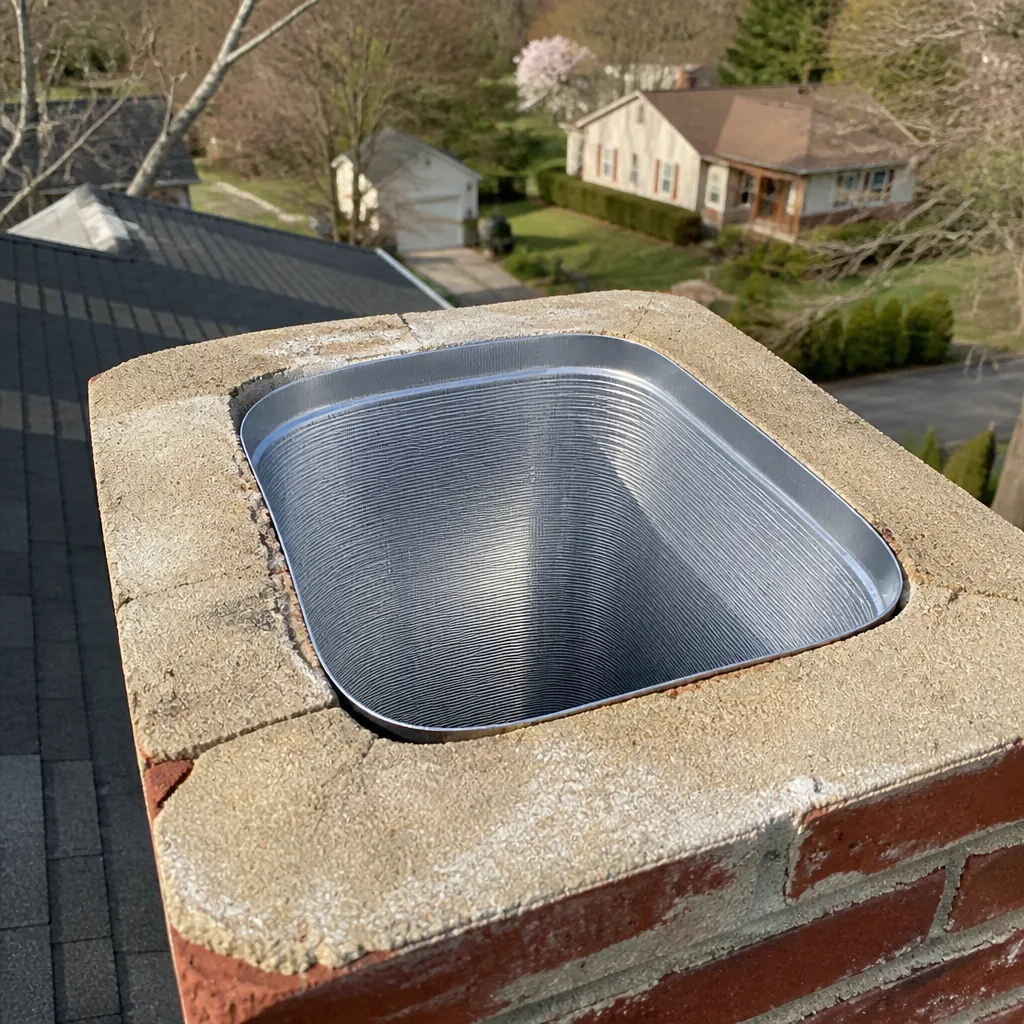
Older brick chimneys in Throggs Neck often have clay tile liners that have been in service for decades. Clay tile is durable but brittle; repeated heating and cooling cycles can crack a tile, and a cracked tile lets creosote and moisture into the masonry behind it. That’s the failure mode behind most liner questions we get. The good news is that not every cracked tile means a full replacement. HeatShield resurfacing can repair a deteriorating flue interior in some cases, extending the life of the chimney without a rebuild. In others, a DuraFlex flexible liner is the right call, particularly for aged or irregularly shaped flues where a rigid liner won’t fit. We’ll tell you which one your chimney actually needs, based on what the camera shows, not on what’s easiest to sell.
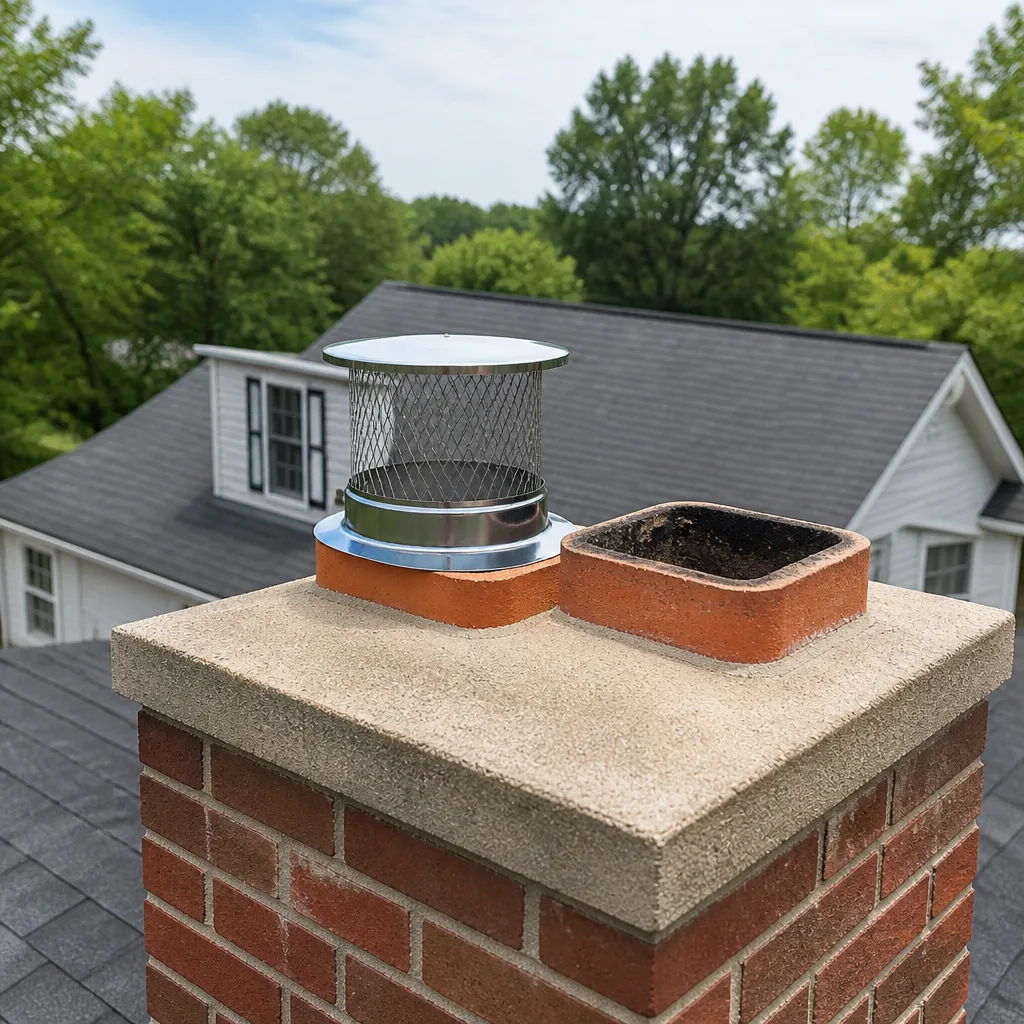
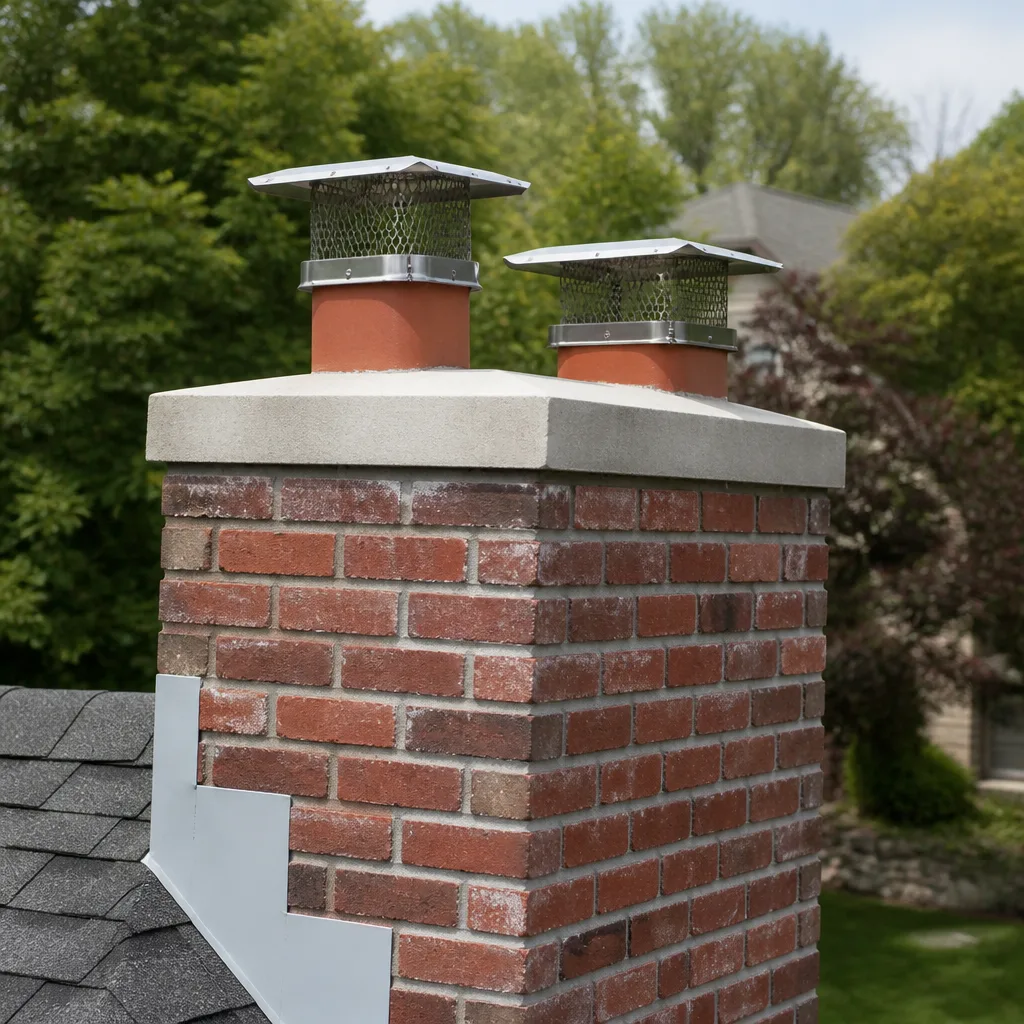
The local climate plays a role too. Throggs Neck winters are cold and wet enough to drive freeze-thaw cycles through masonry, and a chimney crown that’s cracked or spalling lets water in where it can do the most damage. A well-fitted cap keeps rain and animals out; a sound crown sheds water away from the masonry. Both are inexpensive relative to the damage they prevent. Our chimney cap & crown service covers installation and repair of both.
One more local factor: burning season. Most Throggs Neck homeowners burn from fall into early spring, which means the smart time to book a sweep is late summer or early fall, before the first fire of the season. A chimney that was fine in March can have a bird’s nest, a cracked tile, or significant creosote buildup by October. Booking before the season starts means you’re not waiting for an appointment when the weather turns.
What a Proper Sweep and Inspection Looks Like, Step by Step
Knowing what a good sweep should look like is half the battle when you’re hiring. Here’s the sequence a specialist follows, so you can compare it to what actually happens in your home.
- Protect the room. Drop cloths go down around the hearth before any equipment comes in. A proper sweep treats your living room like it matters.
- Inspect from the firebox up. Before cleaning, the technician looks at the damper, the smoke chamber, and the firebox for obvious issues, then moves to the roof to check the cap, crown, and flue from the top.
- Run a camera inspection. A video camera goes down the flue to check for cracks, gaps, creosote buildup, and obstructions. This is the part you should be able to see yourself, either live or in the report.
- Sweep the flue. Brushes sized to the flue clean the interior, with a vacuum running to contain dust.
- Clean the firebox and smoke chamber. Creosote accumulates here too, and it’s often overlooked by generalists.
- Produce the report. You get a written summary of what was found, what was cleaned, and any recommendations, with photos or video stills attached.
- Clean up. The hearth and surrounding floor get vacuumed, drop cloths come up, and the room is left as it was found, minus the soot.
If any step gets skipped, ask why. A sweep that doesn’t include a camera inspection or a written report is a half-job, and it’s the most common shortcut we hear about. A chimney specialist, not a general contractor with a brush, will walk you through each step and show you what they found.
Common Mistakes to Avoid
- Hiring on price alone. The lowest bid is often the one without a camera inspection, a written report, or insurance. You’re not buying a brush stroke; you’re buying a diagnosis of something you can’t see, and that’s worth paying for.
- Not verifying certification on the registry. A logo on a website proves nothing. Check the CSIA registry yourself and confirm the credential is current before you book.
- Approving repairs on the spot. If a technician finds a problem, ask to see the camera footage and get the recommendation in writing. Repairs that aren’t urgent can wait while you think it over and get a second opinion if you want one.
- Skipping the annual sweep because the chimney “seems fine.” Creosote and cracked tiles don’t announce themselves. A blocked or coated flue is a fire and carbon monoxide risk, and the only way to know your chimney’s condition is to look inside it.
- Letting a generalist do chimney work. A roofer or handyman who “also does chimneys” may not know the venting codes, may not have a camera, and may not carry the right parts. Chimney work is a trade; hire the trade.
- Not asking for a written contract. Scope, warranty, and cleanup responsibility should all be on paper. If it isn’t, it’s not agreed to.
- Waiting until the first cold week to book. Throggs Neck’s burning season doesn’t wait, and a chimney that sat unused all summer may have picked up an obstruction. Book the sweep before fall, not during it.
See the difference
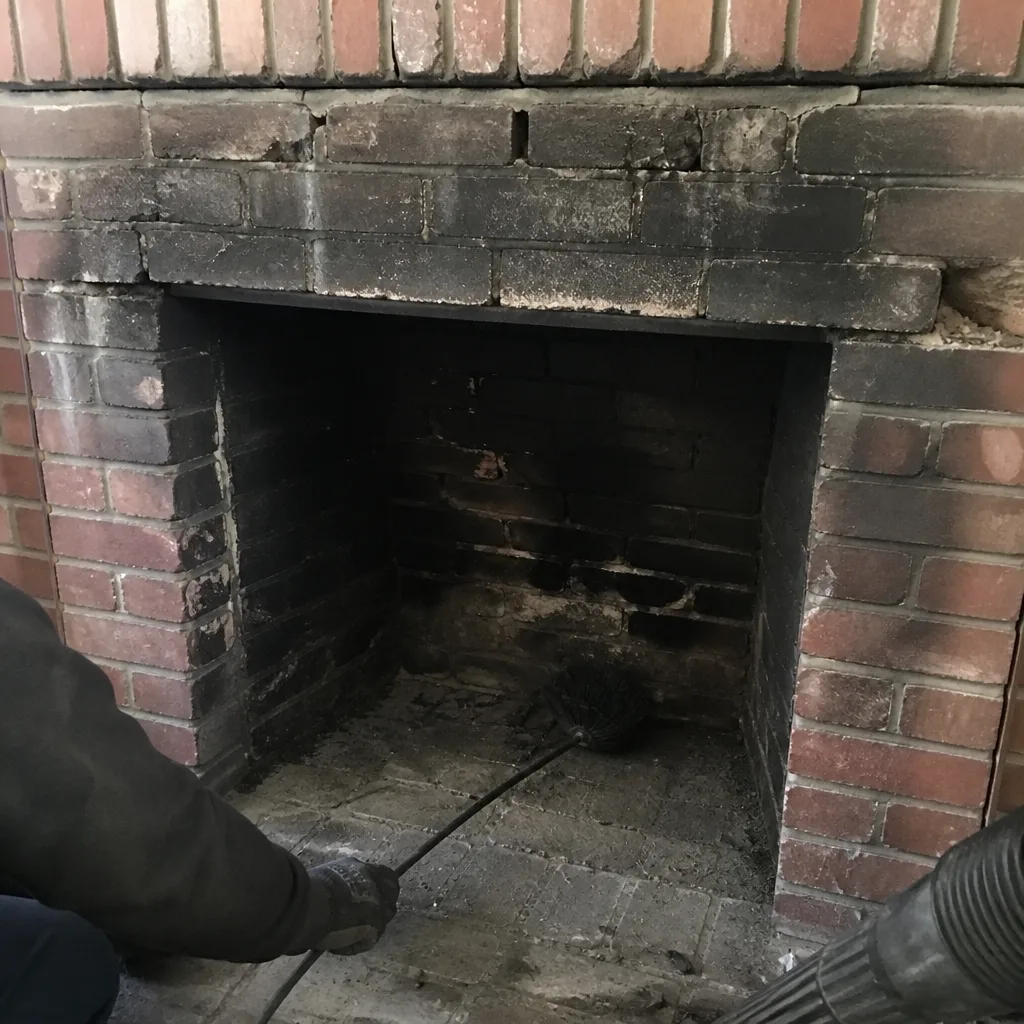 Before
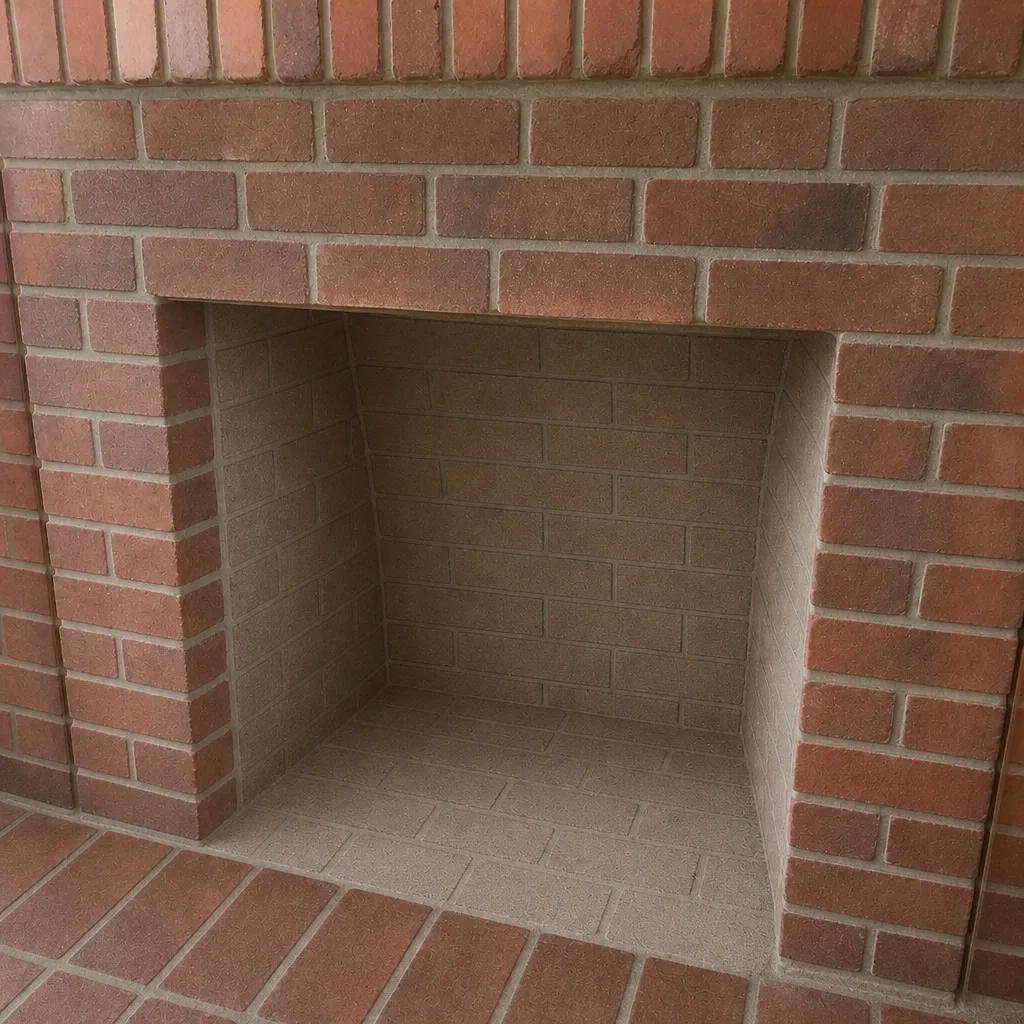 After
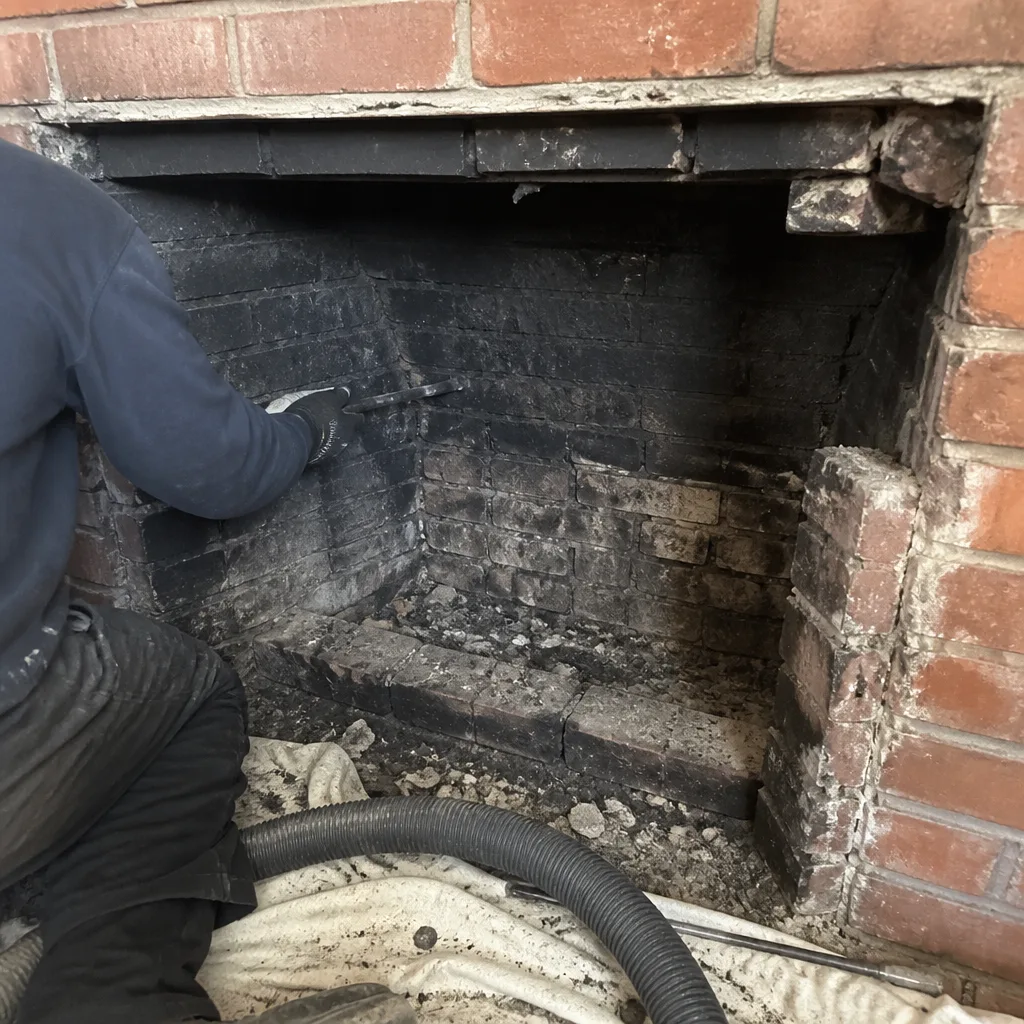 Before
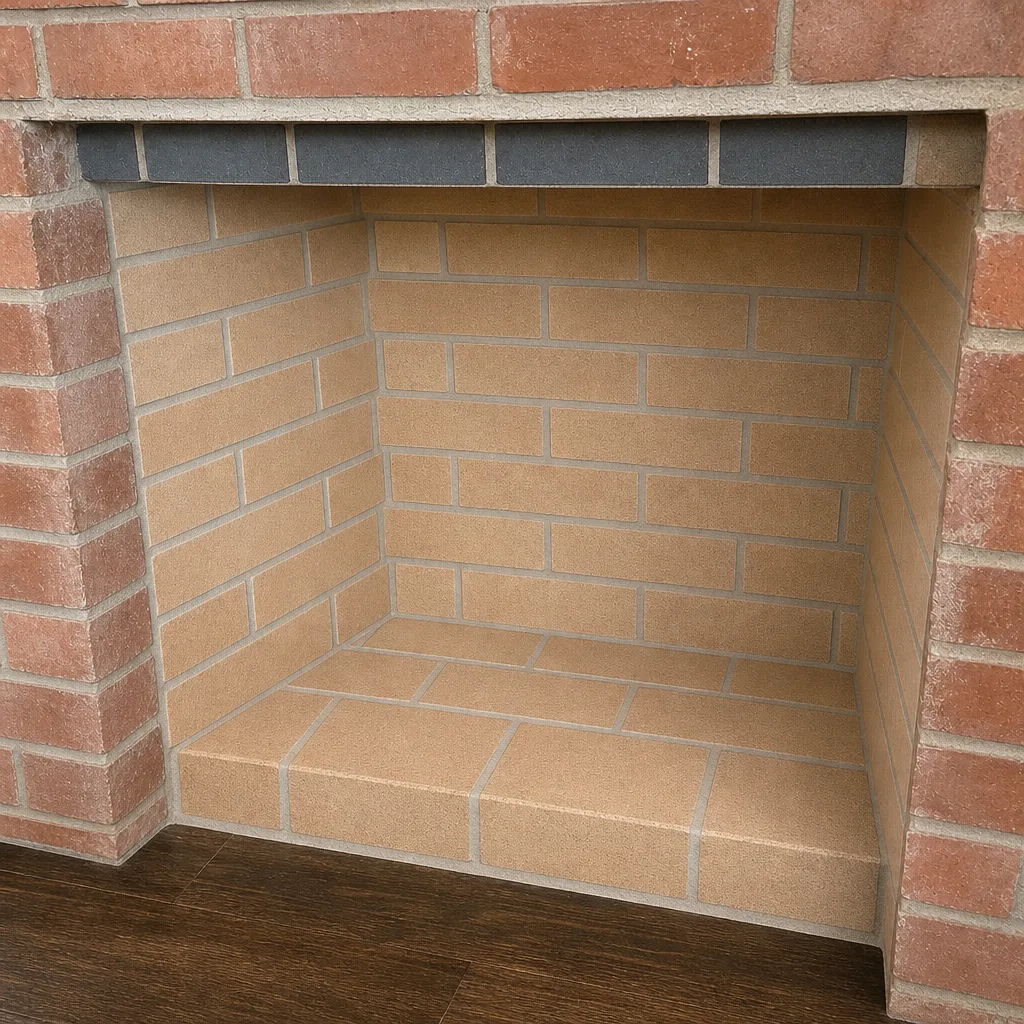 After
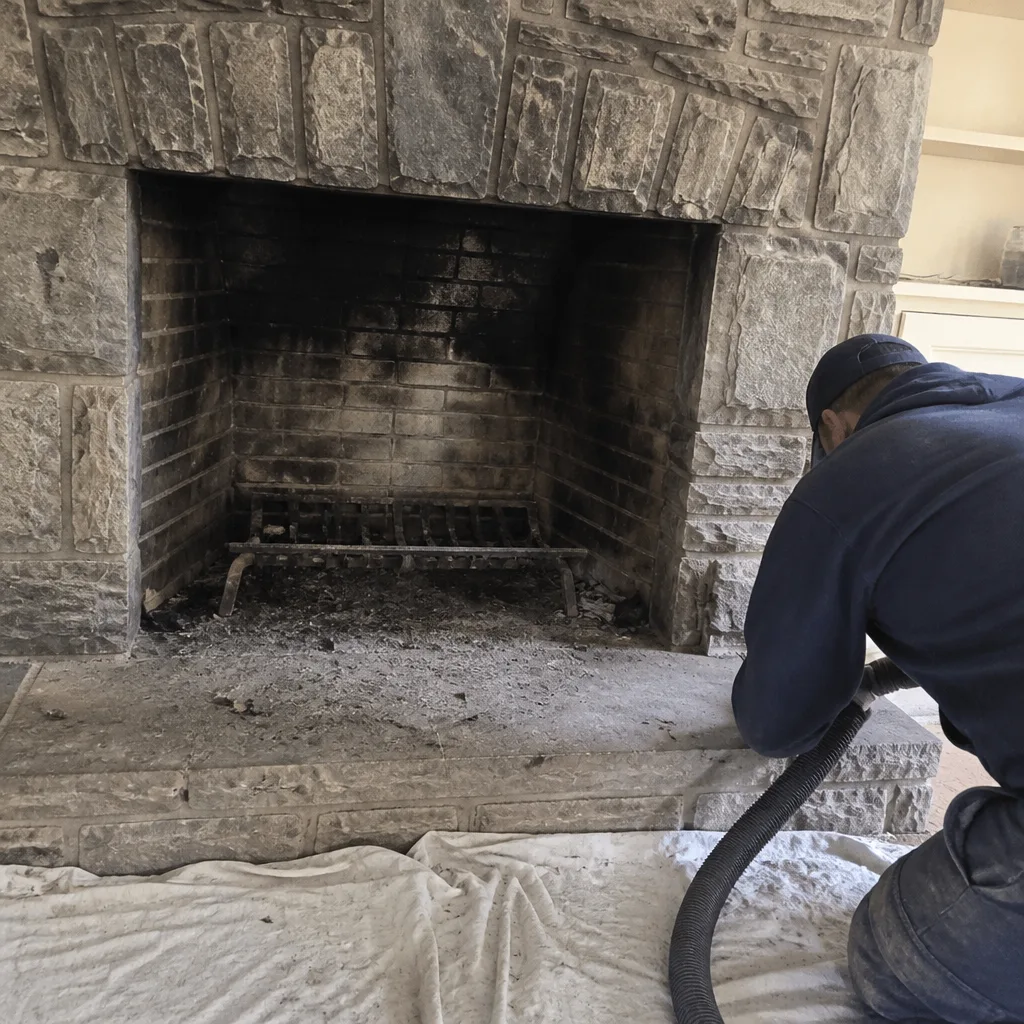 Before
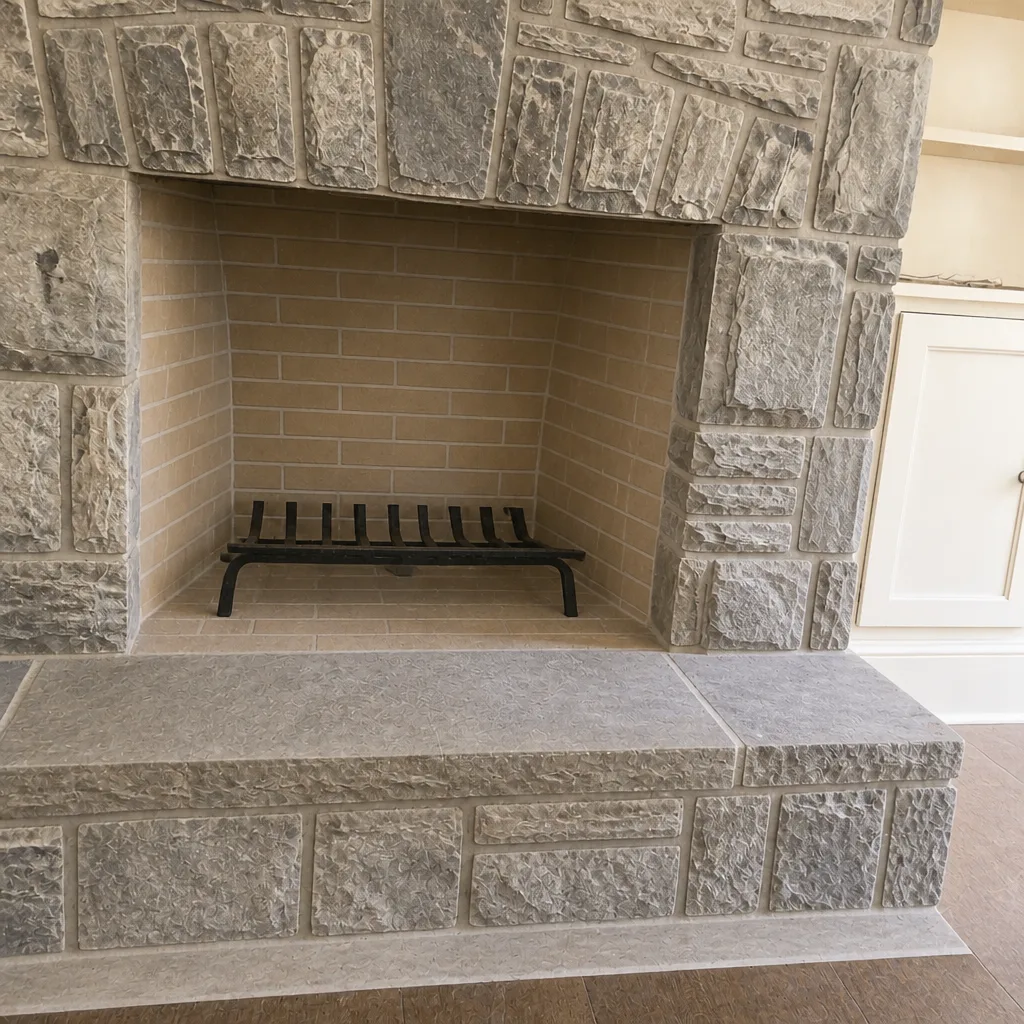 After
When to Call a Professional
Some chimney issues are obvious (smoke backing into the room, a strong creosote smell, visible damage to the cap or crown) and some aren’t. Call a professional if you haven’t had the chimney swept in over a year, if you’re burning wood regularly, if you’ve noticed smoke drafting poorly, if you’ve had a chimney fire (even a small one), or if you’re buying a home in Throggs Neck and don’t know the chimney’s history. Call immediately if you smell gas near a gas appliance or fireplace, or if you suspect carbon monoxide; those are urgent safety situations, not maintenance questions. For anything else, a sweep and inspection will tell you what you’re dealing with. Chimney Sweep Throggs Neck offers free estimates in Throggs Neck; call (833) 513-8531 to schedule one.
Frequently Asked Questions
A standard sweep and Level 1 inspection in the Throggs Neck area is typically a few hundred dollars, and the written estimate you receive before the appointment sets the final price. The range depends on the flue’s condition, whether a camera inspection is included, and whether the cap and crown need attention. Call (833) 513-8531 for an exact quote; estimates are free.
Not always. A cracked or spalled clay tile doesn’t automatically mean a full replacement. In some cases HeatShield resurfacing can repair the flue interior and extend the chimney’s life without a rebuild, and in others a DuraFlex flexible liner is the right solution, particularly for older or irregularly shaped flues. The camera inspection is what determines which one your chimney needs, and you should see the footage yourself before deciding. Call (833) 513-8531 to schedule an inspection.
Once a year for most homeowners who burn wood regularly, and more often if you burn heavily or notice creosote buildup. The annual sweep doubles as a safety check, catching cracked tiles, blockages, and cap or crown damage before they become expensive. If you can’t remember the last sweep, that’s your answer. Call (833) 513-8531 to book one.
Creosote accumulates in the flue and can ignite, and a blocked or damaged flue can let carbon monoxide back into the living space. Those are the real risks, not minor nuisances. The sweep and inspection exist to catch both while they’re still cheap to fix. Call (833) 513-8531 for a free estimate on a sweep.
No. New York State doesn’t issue a chimney sweep license, so the credentials that matter are industry certifications like CSIA and verifiable insurance rather than a state-issued license. Check the CSIA registry yourself and ask for an insurance certificate before booking. Call (833) 513-8531 if you have questions about how we verify our own credentials.
A defined scope, a written inspection report with photos, warranty language for any installed components, cleanup responsibility, and a price that doesn’t change mid-job. If a contractor won’t put those items in writing, don’t book the job. Call (833) 513-8531 for a written estimate on your sweep.
The Bottom Line
Hiring a chimney cleaning contractor in Throggs Neck comes down to verification. New York doesn’t license the trade, so you have to do the checking yourself: current CSIA certification on the registry, an insurance certificate, a company that does chimney work as its primary trade, a written scope and report, and camera evidence attached to any repair recommendation. Compare quotes by line item, not bottom line, and never approve same-day repairs under pressure. A specialist handles the whole lifecycle, from annual sweep through cap and crown through structural repair, so you’re not juggling contractors. If you’re ready to book, call Chimney Sweep Throggs Neck at (833) 513-8531. We answer 24/7. Fast dispatch from 7am to 7pm, Sunday through Friday. Estimates are free.
Written by the team at Chimney Sweep Throggs Neck.